Pearl River Delta
A week in the Pearl River Delta. Hong Kong first, then across the border to Shenzhen, a ferry to Macau, and a bus back over the sea to the airport. Three cities an hour apart, and my first time in mainland China.
Hong Kong
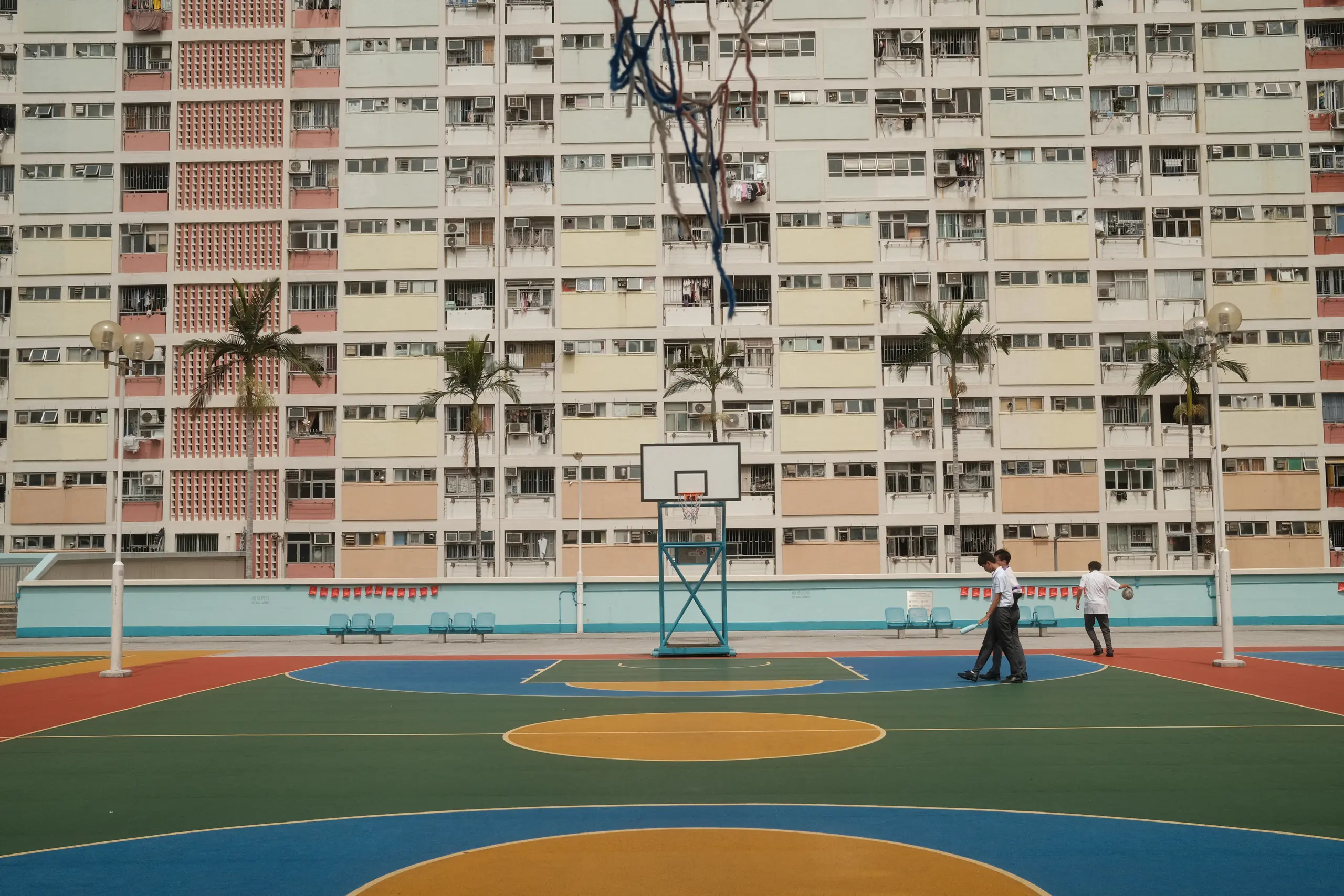
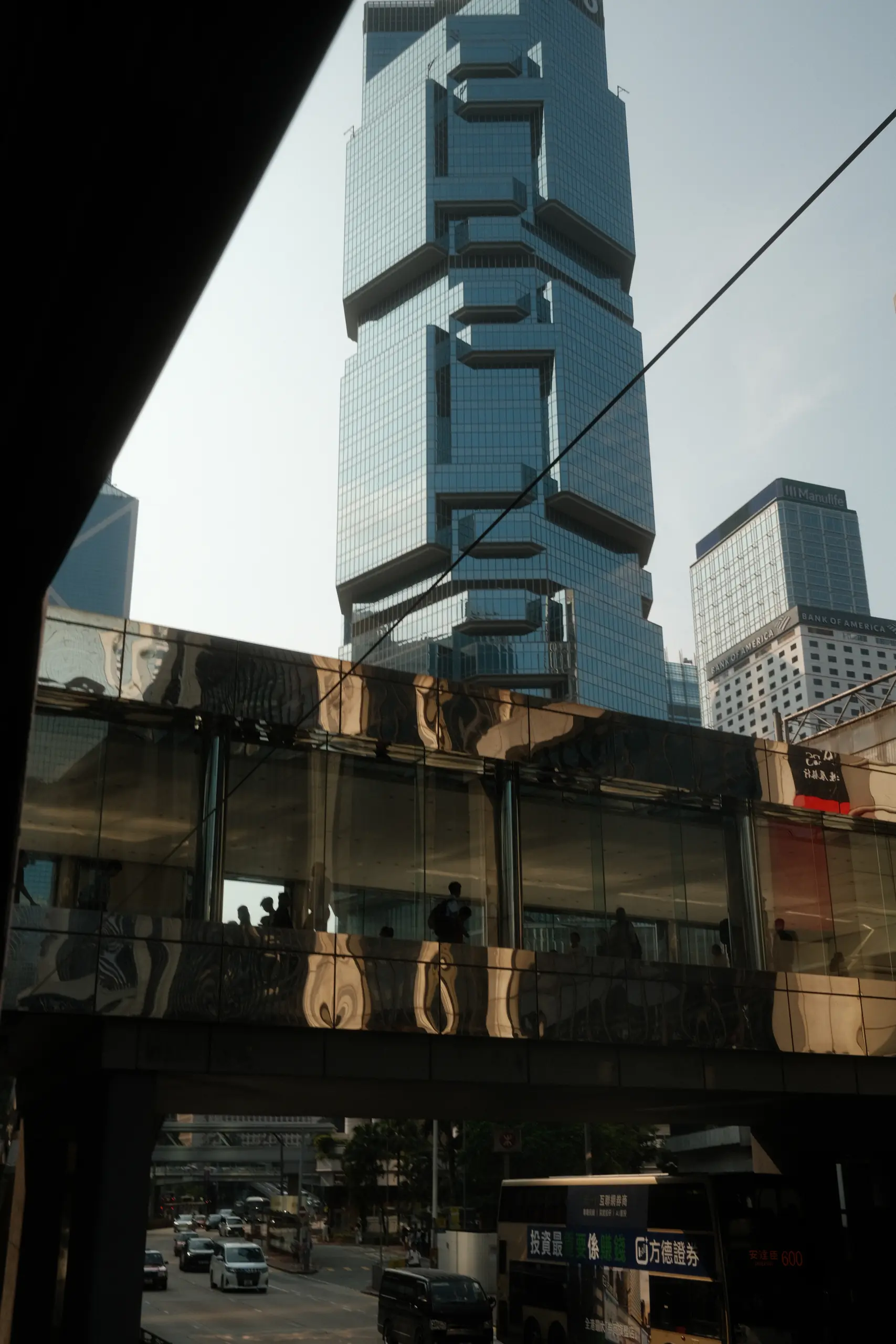
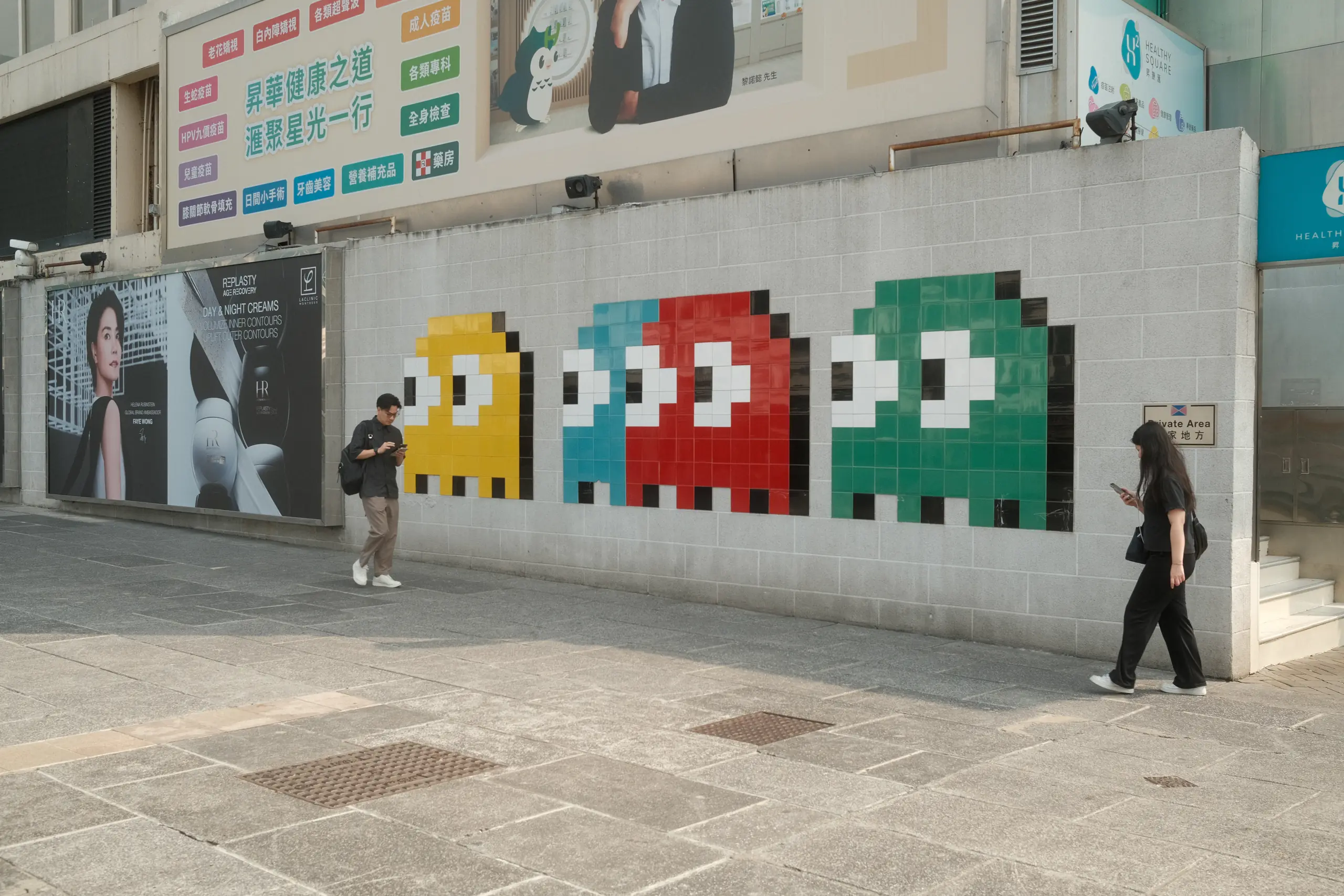
Hong Kong is a blend of two things. Finance and skyscrapers on one side, traditional Cantonese life on the other, with old housing blocks and small family shops a street away from the glass towers.
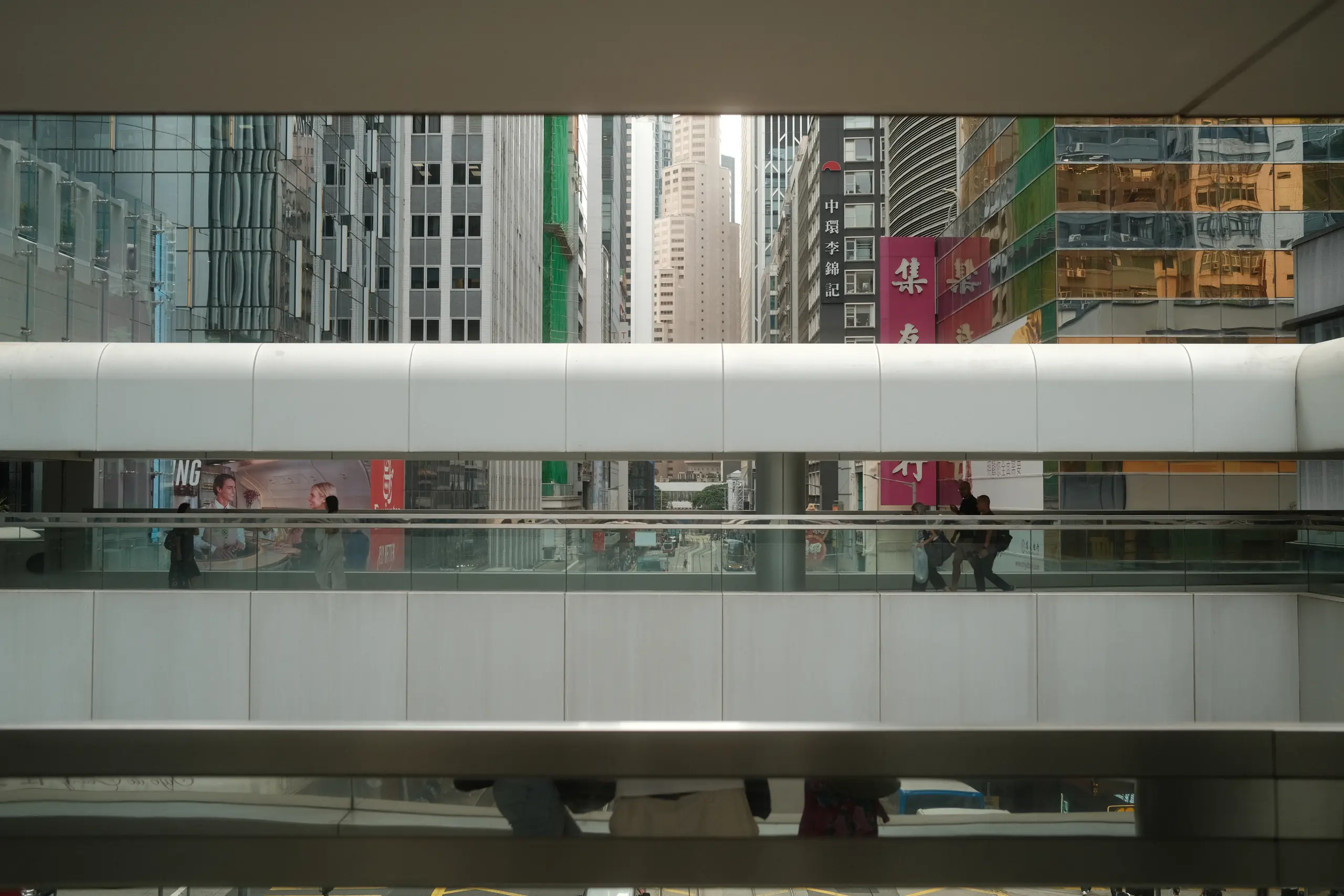
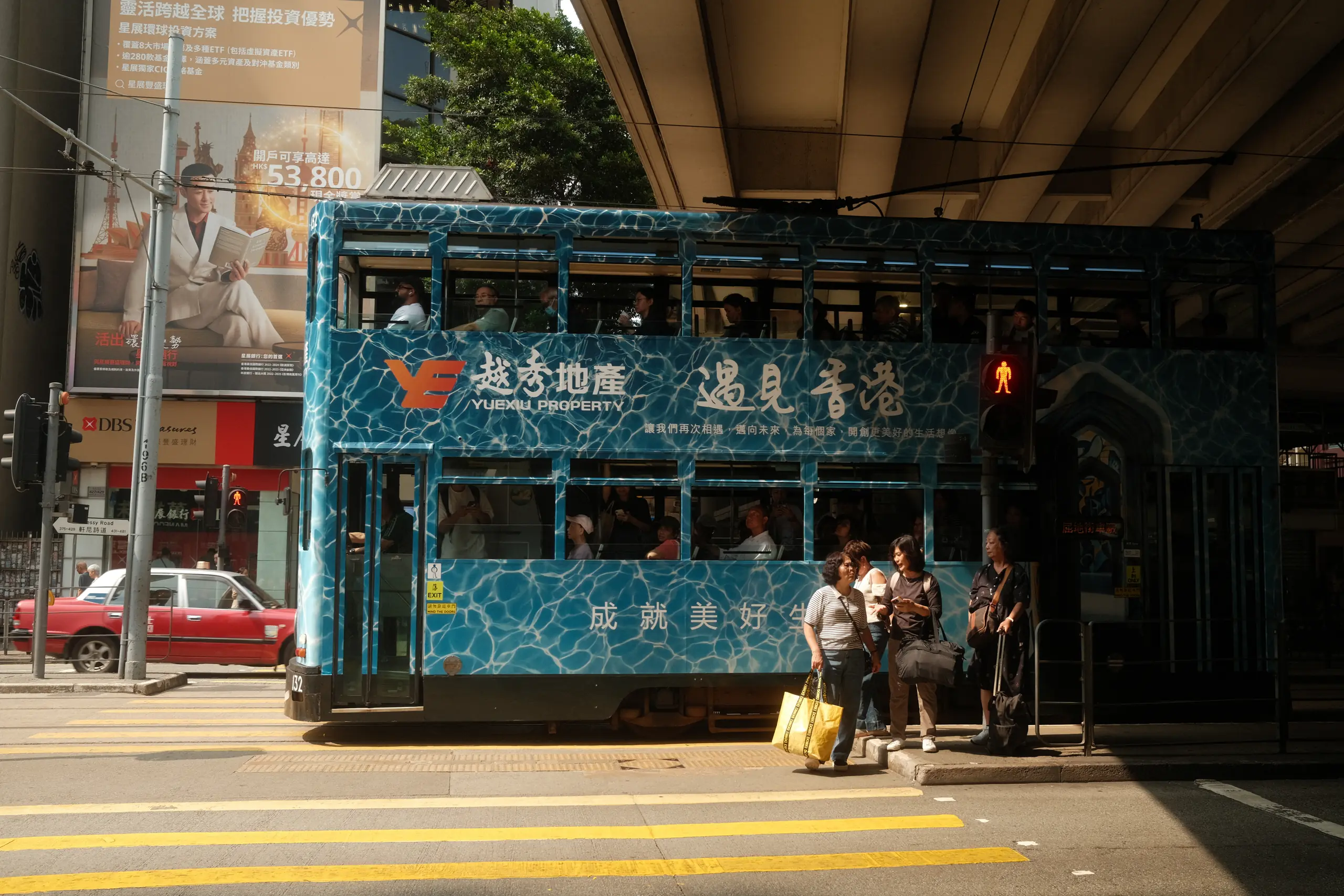
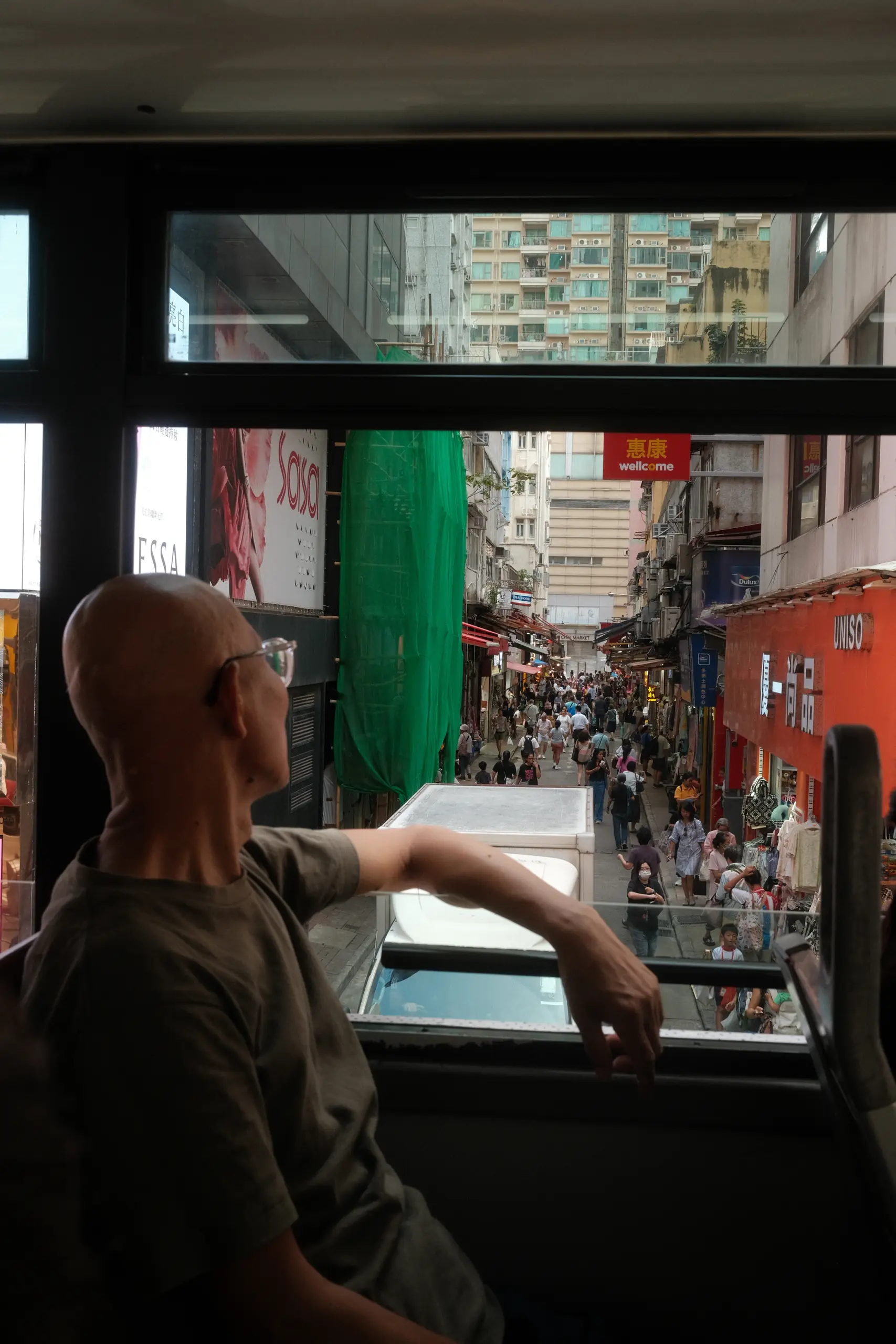
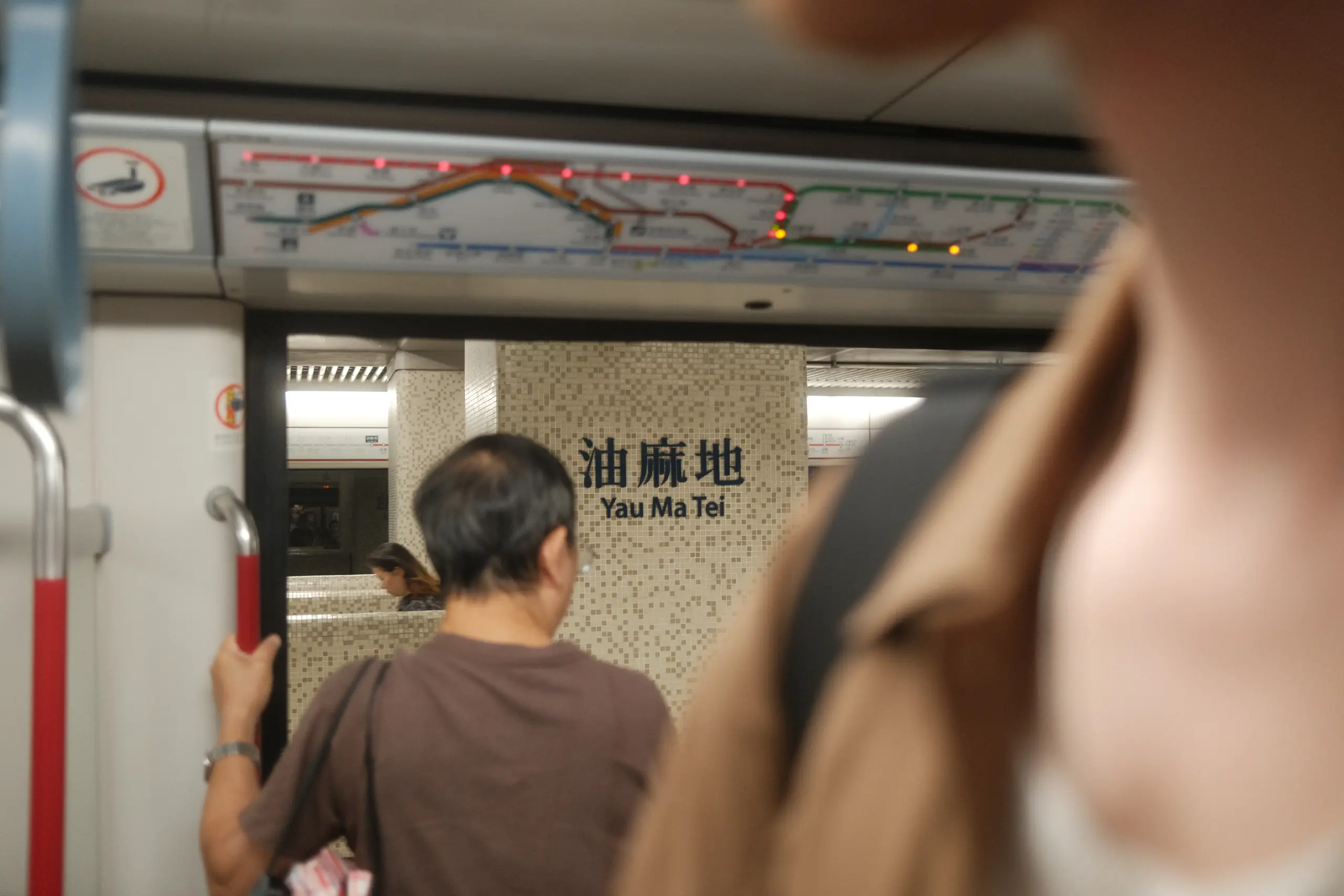
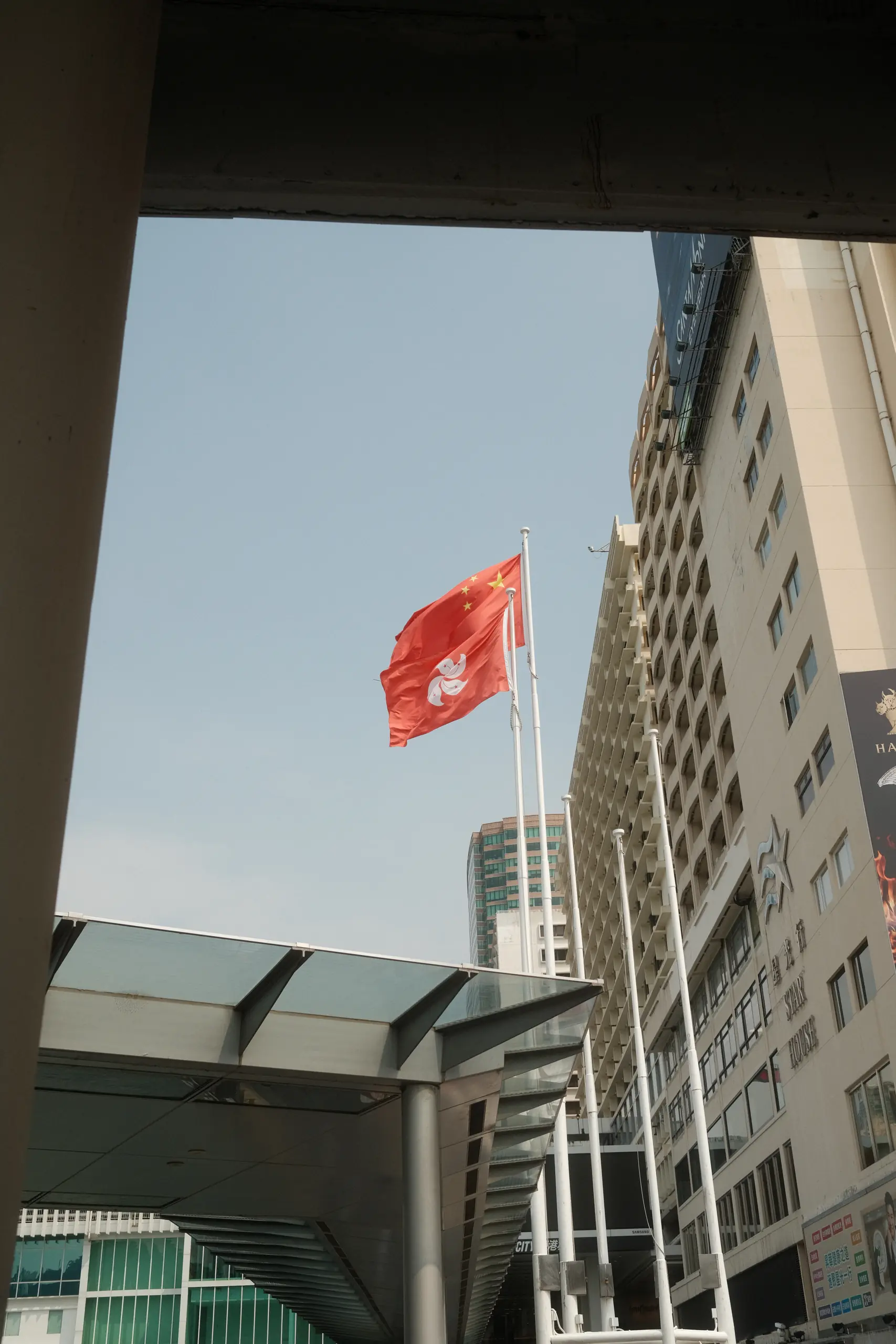
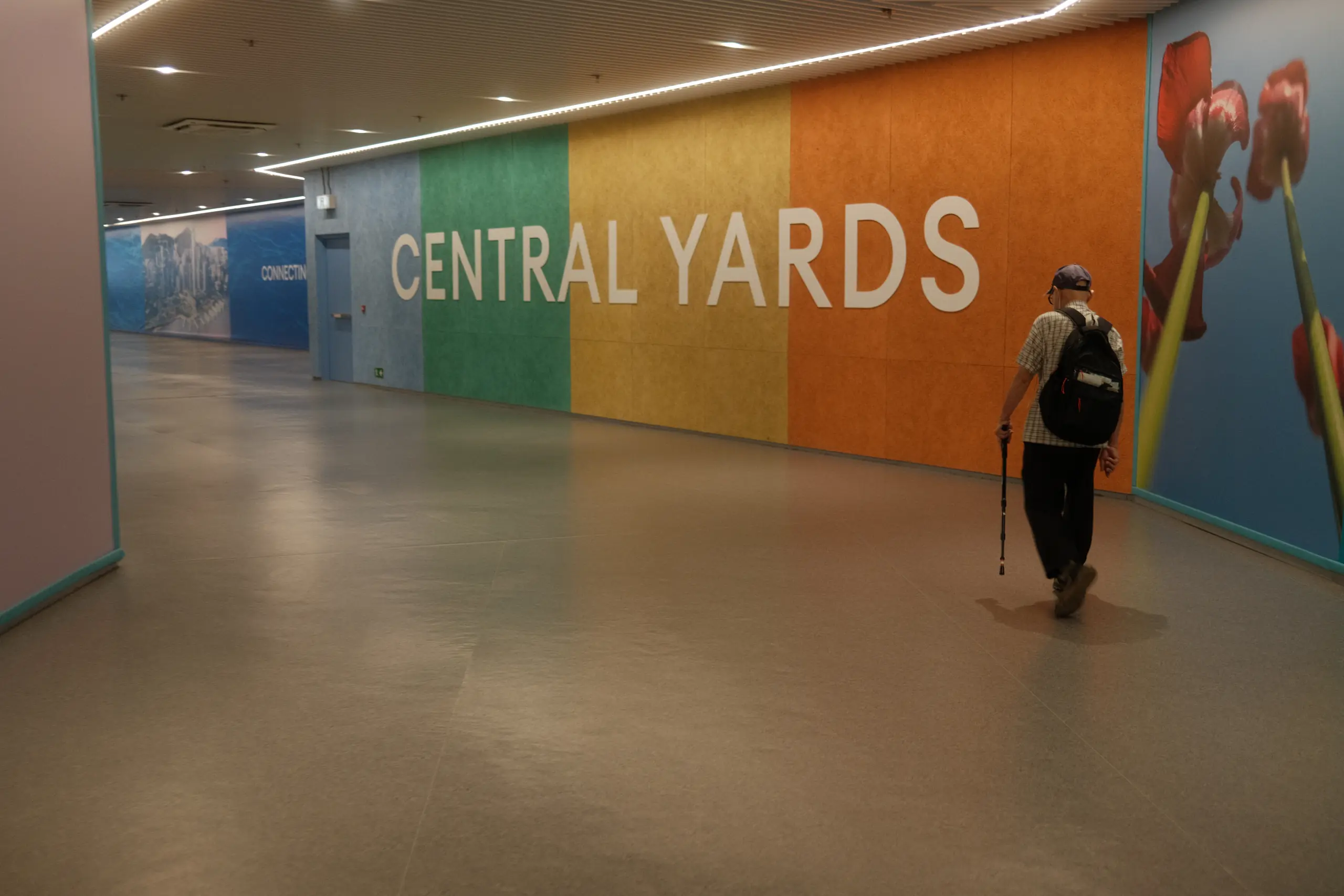
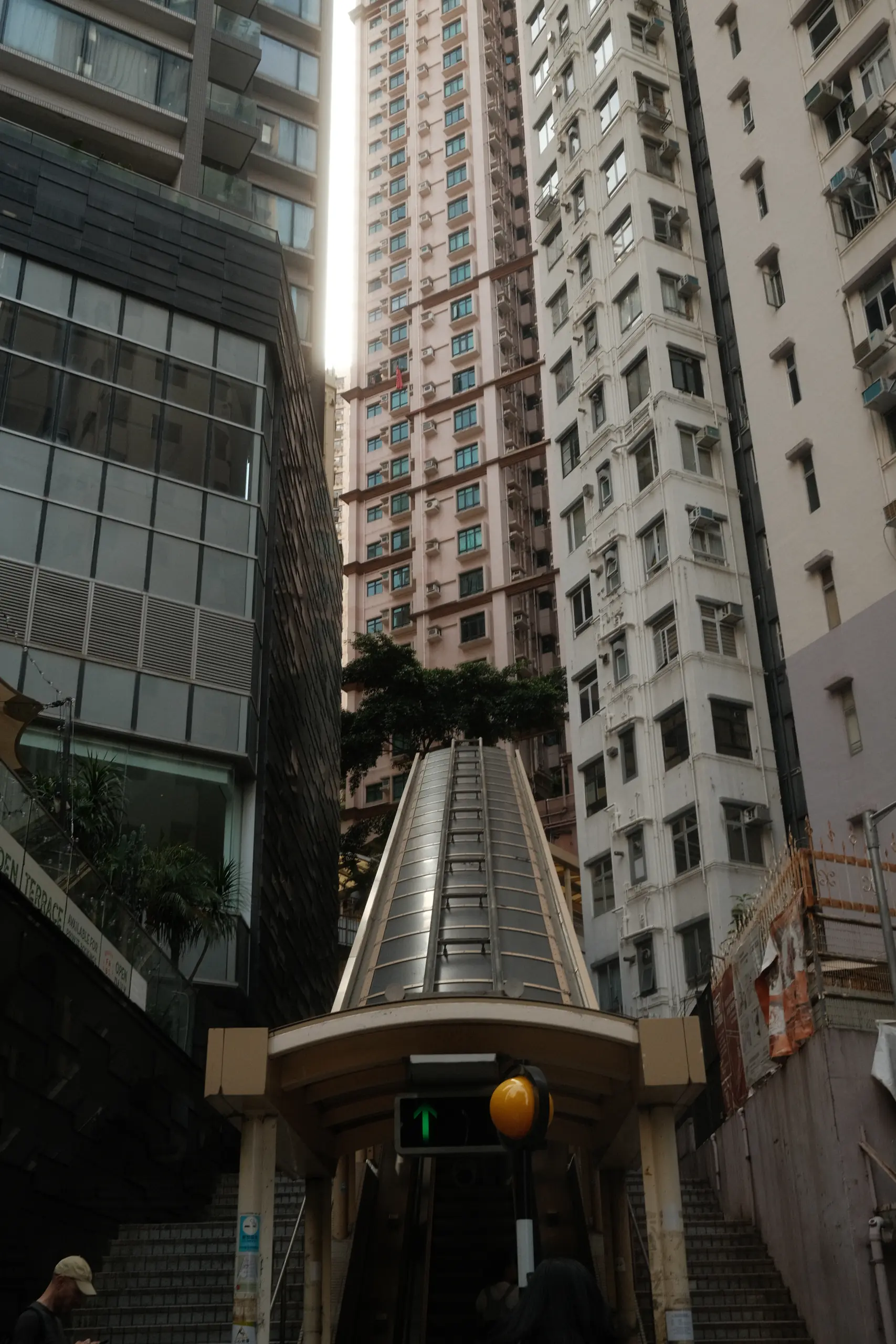
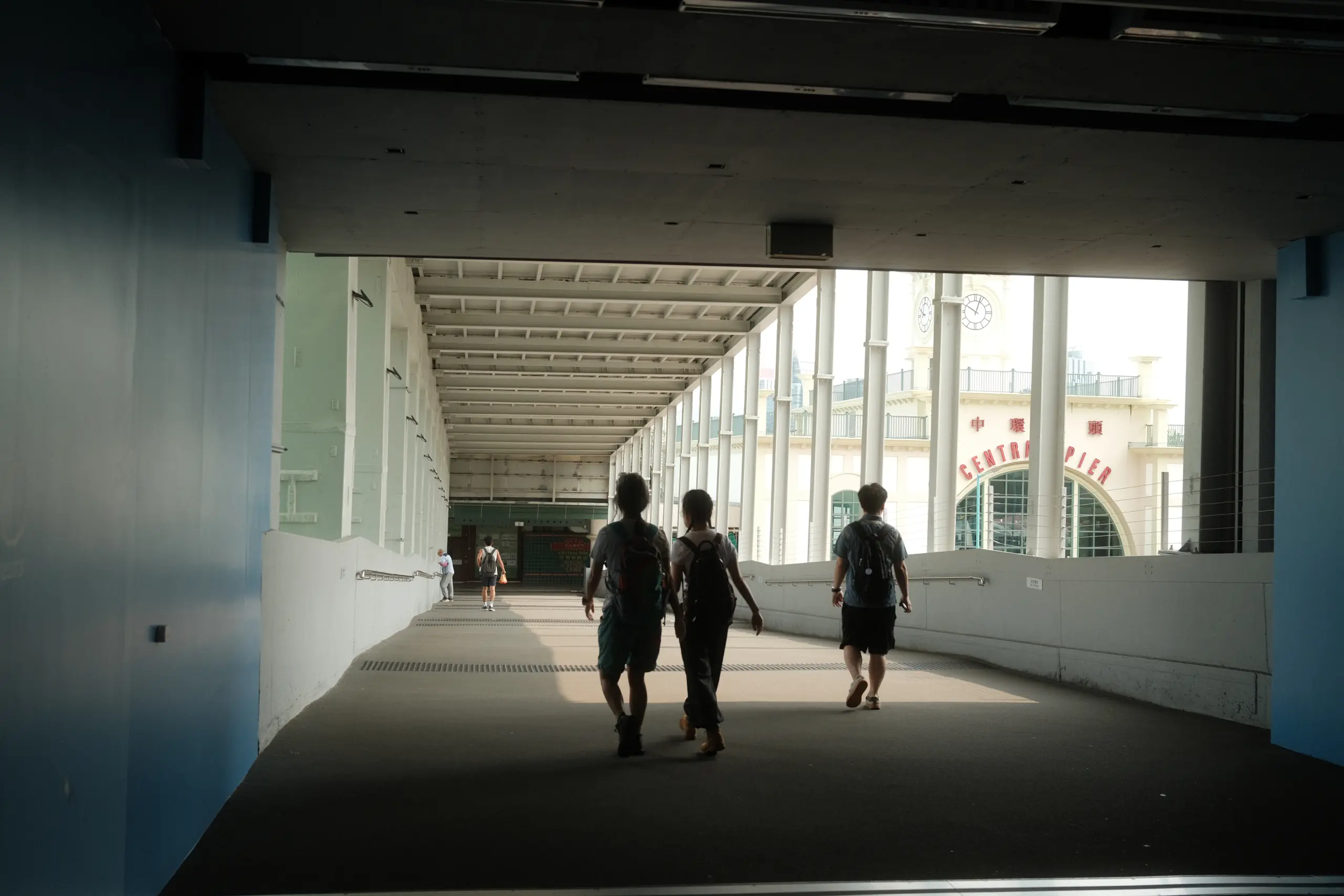
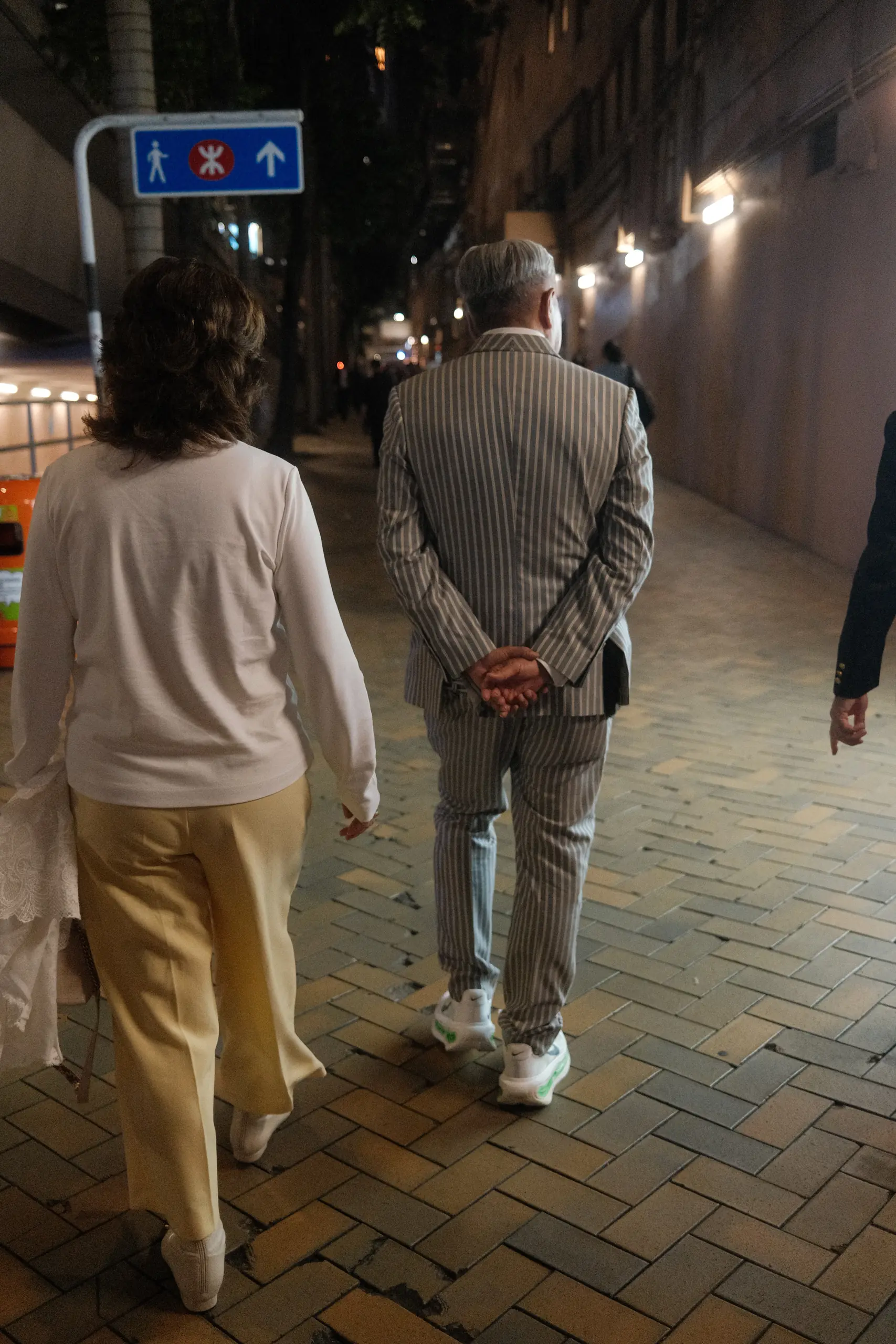
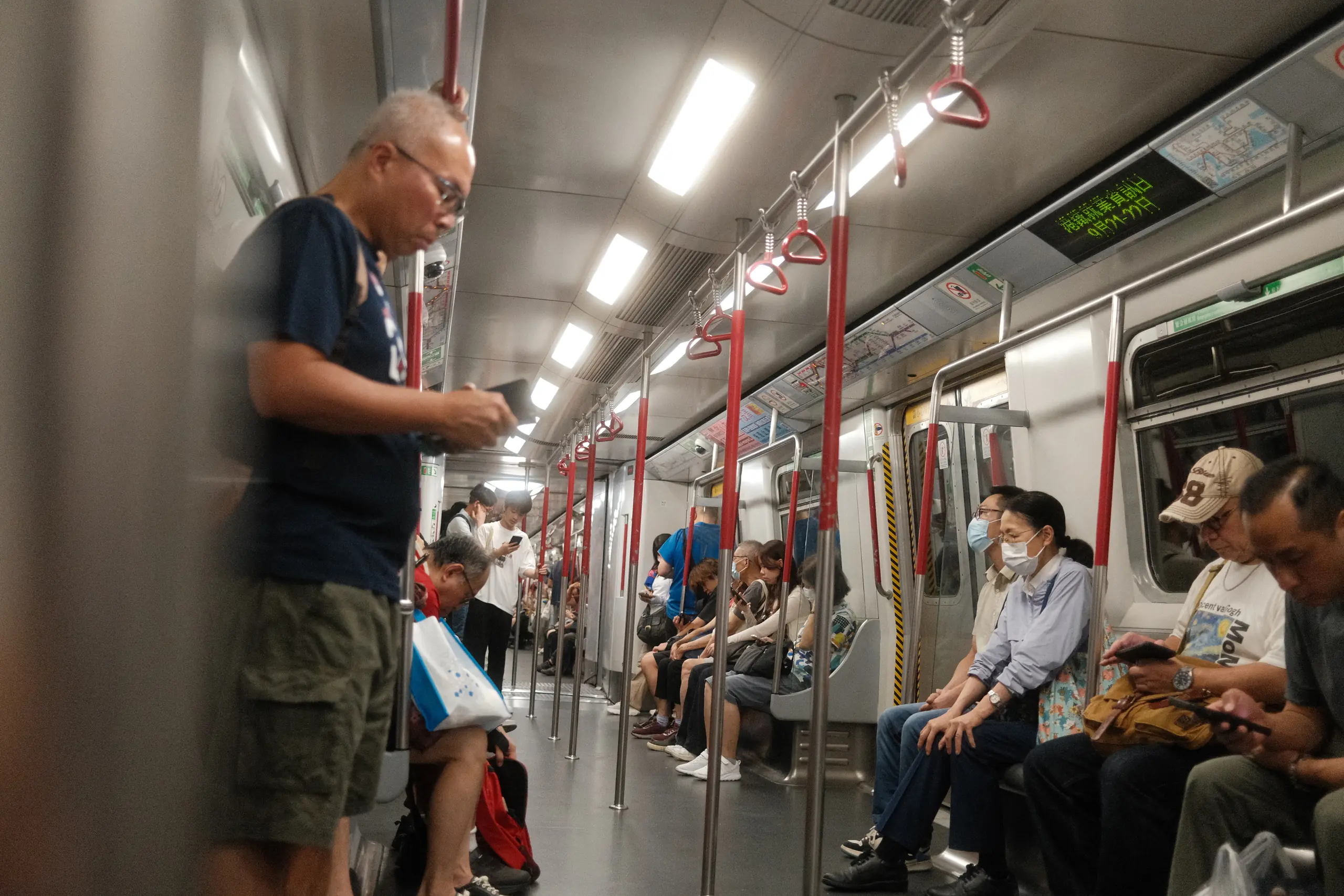
The heat was stronger than I had expected. Late September is still hot and very humid, and the city is built around that. Air-conditioned footbridges connect one building to the next, the Mid-Levels escalator lifts you up the hill without a step, and the MTR is cooled end to end. You move through Hong Kong vertically as much as horizontally, and often indoors.
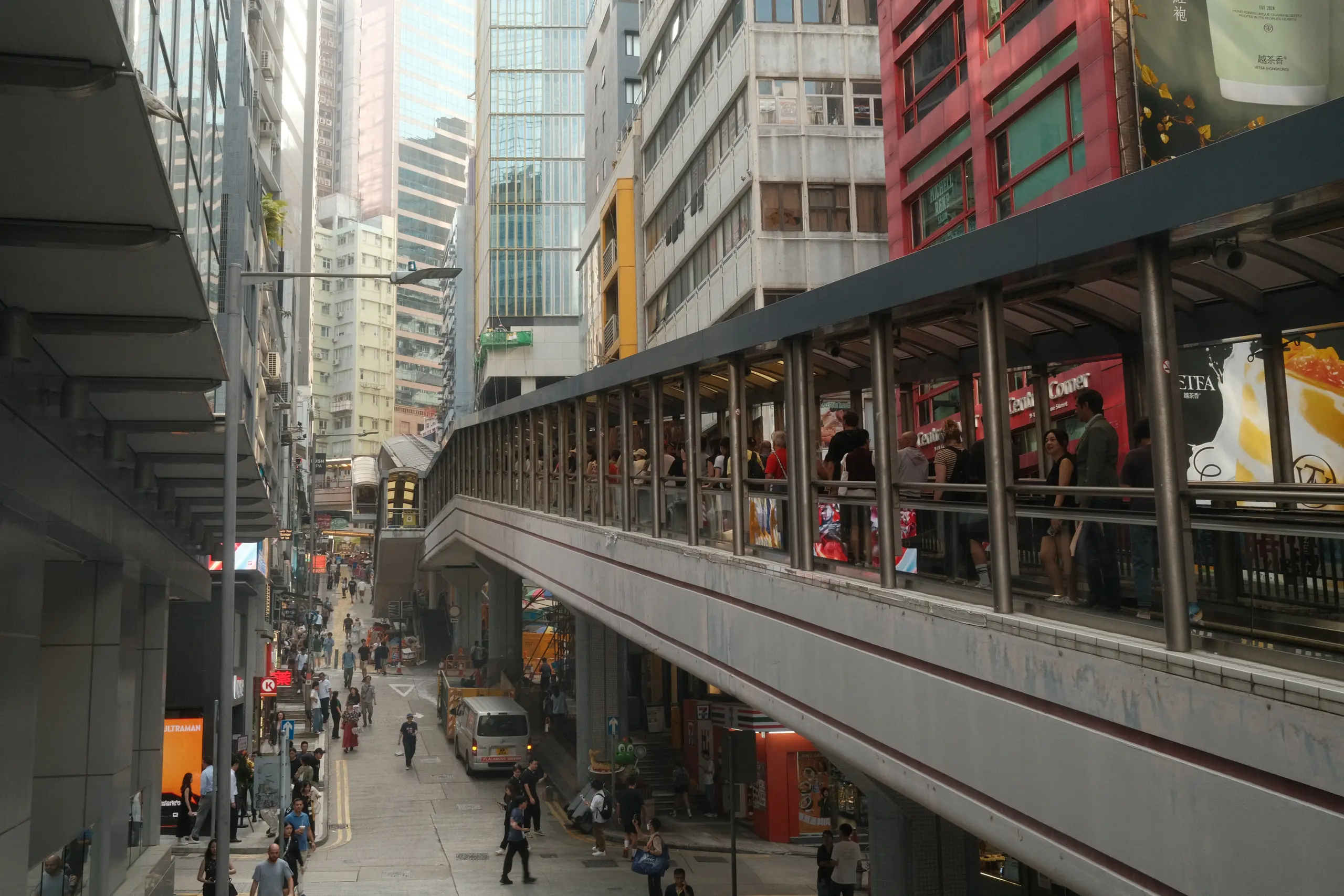
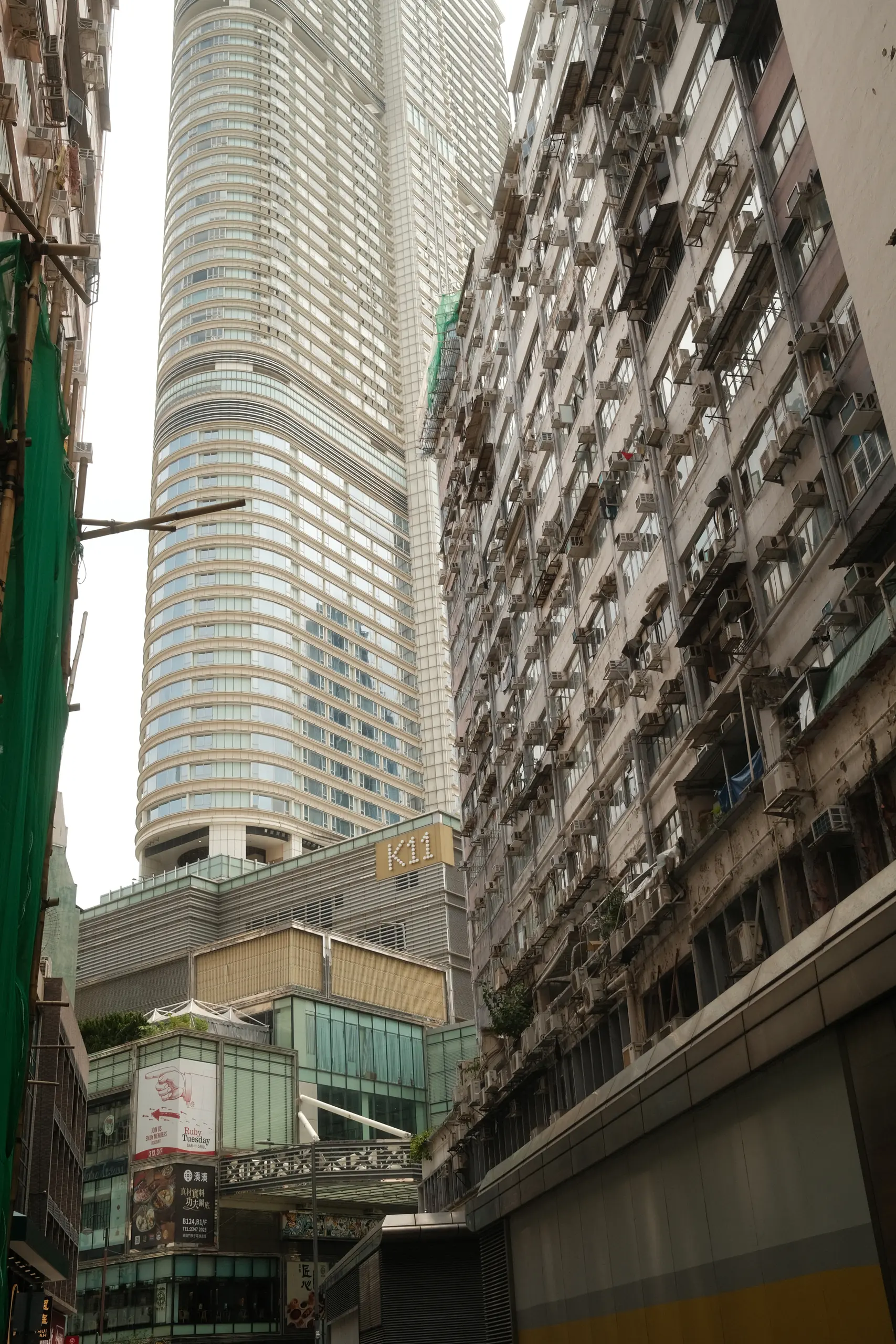
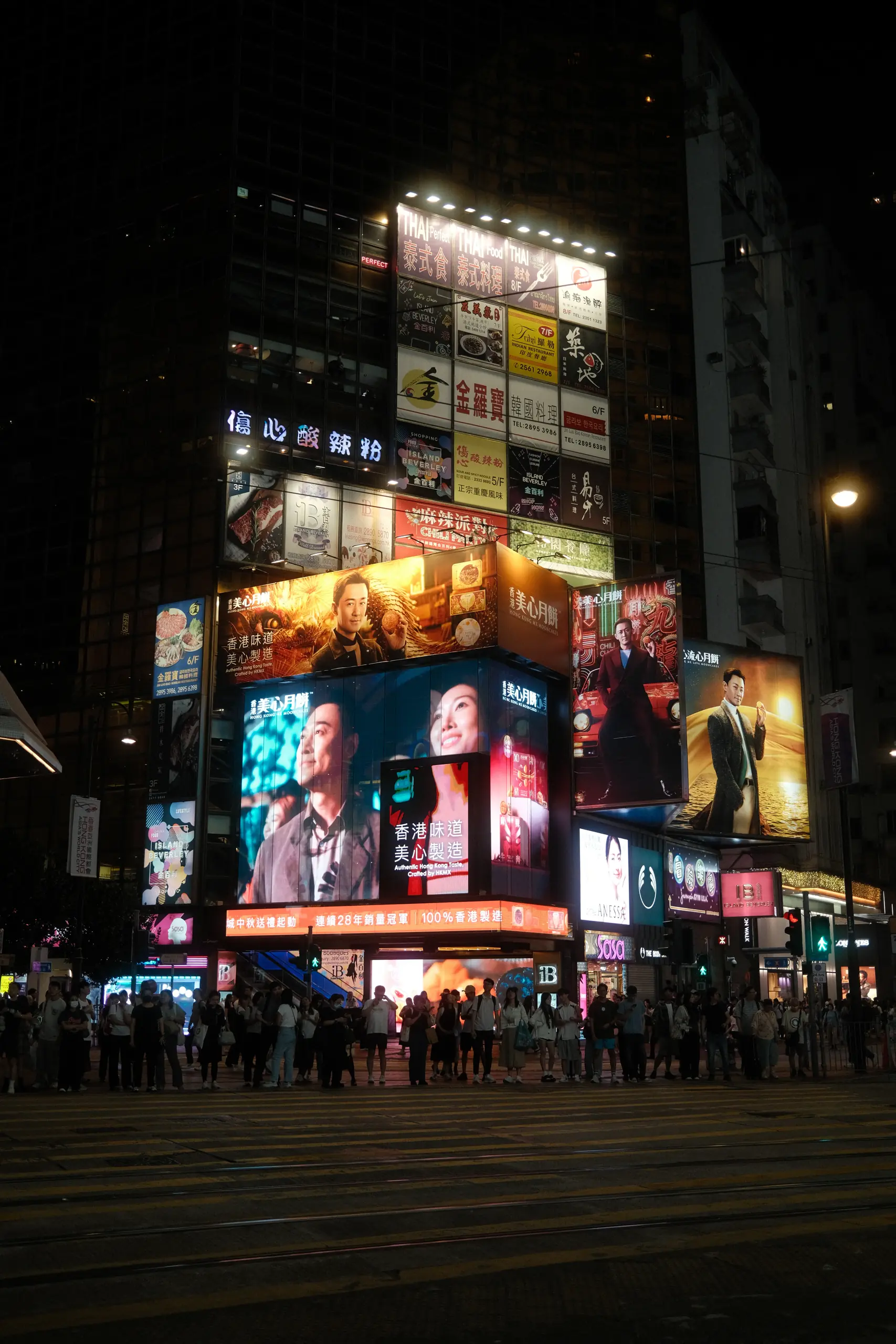
The old city still lives at street level. Roast goose hangs in shop windows, hand-painted signs stack up on every facade, and bamboo scaffolding, a slowly fading craft, still climbs the new towers.
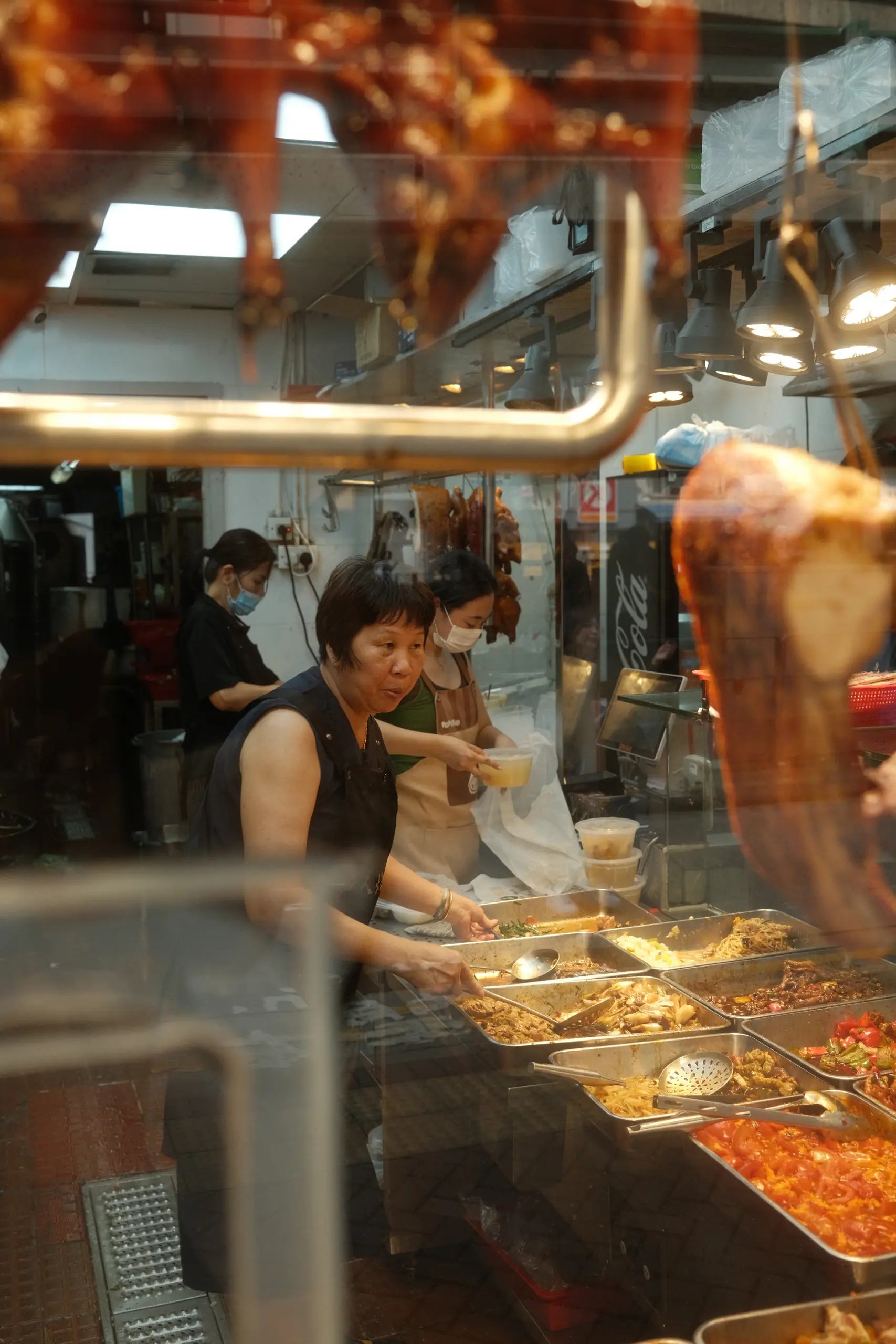
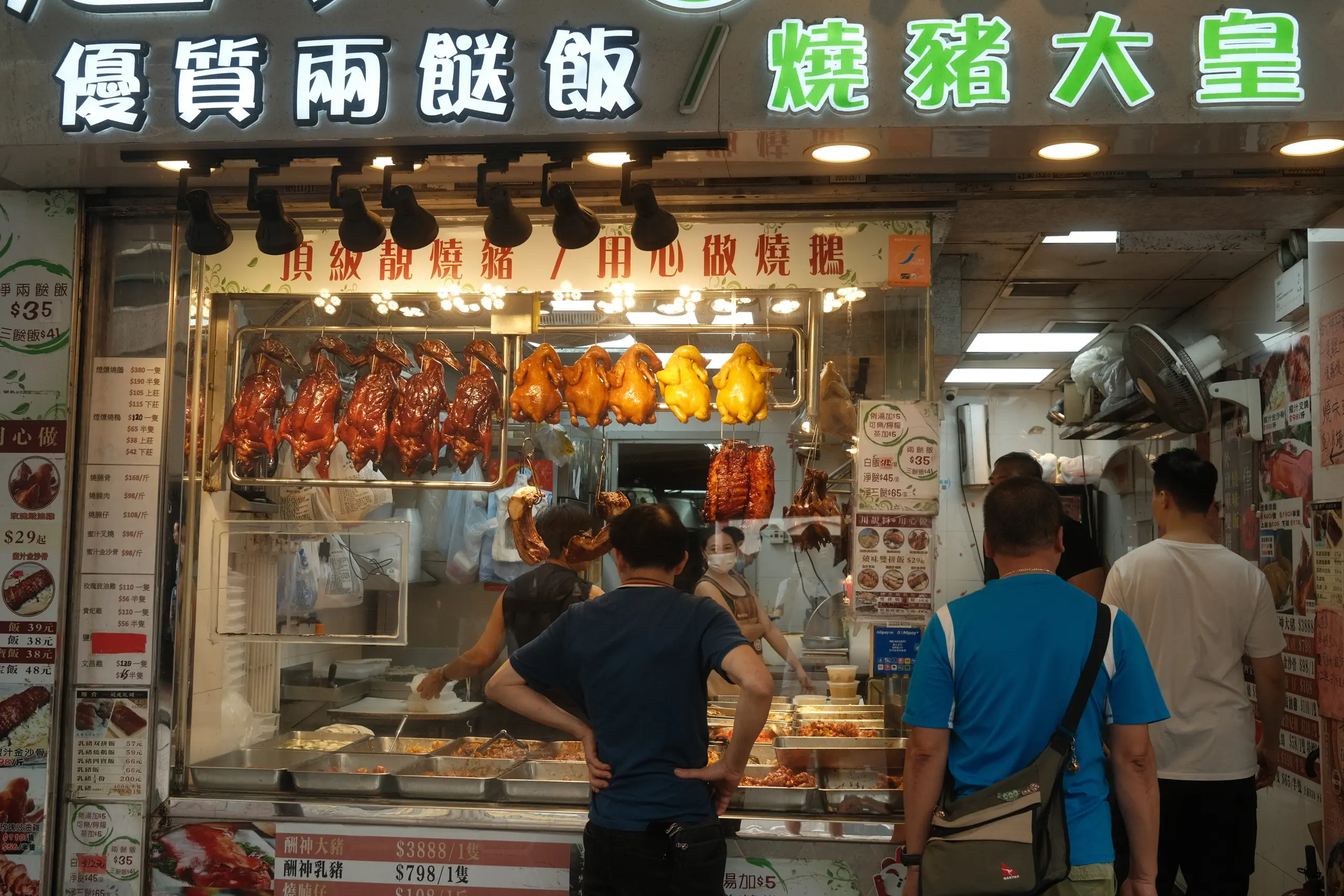
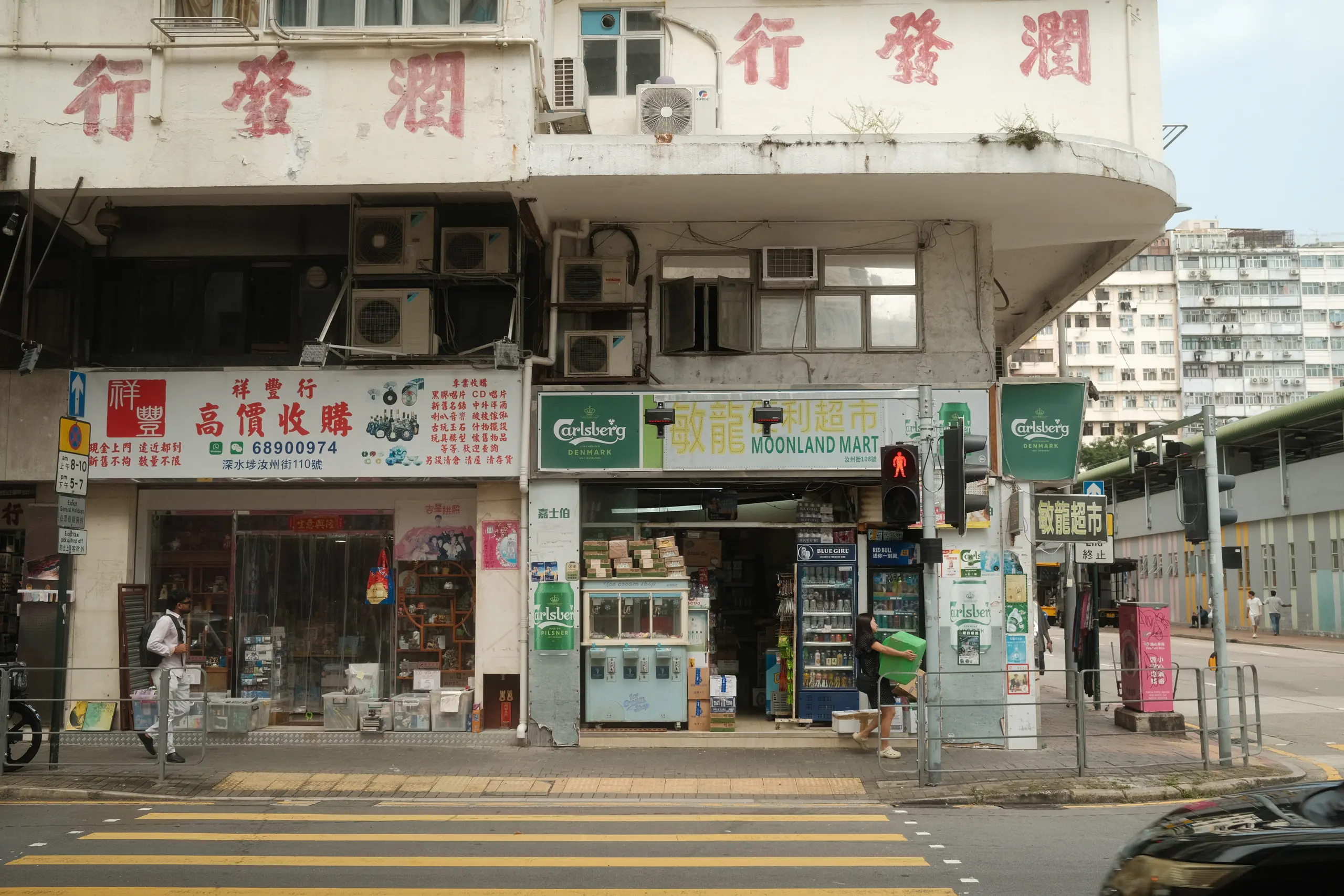
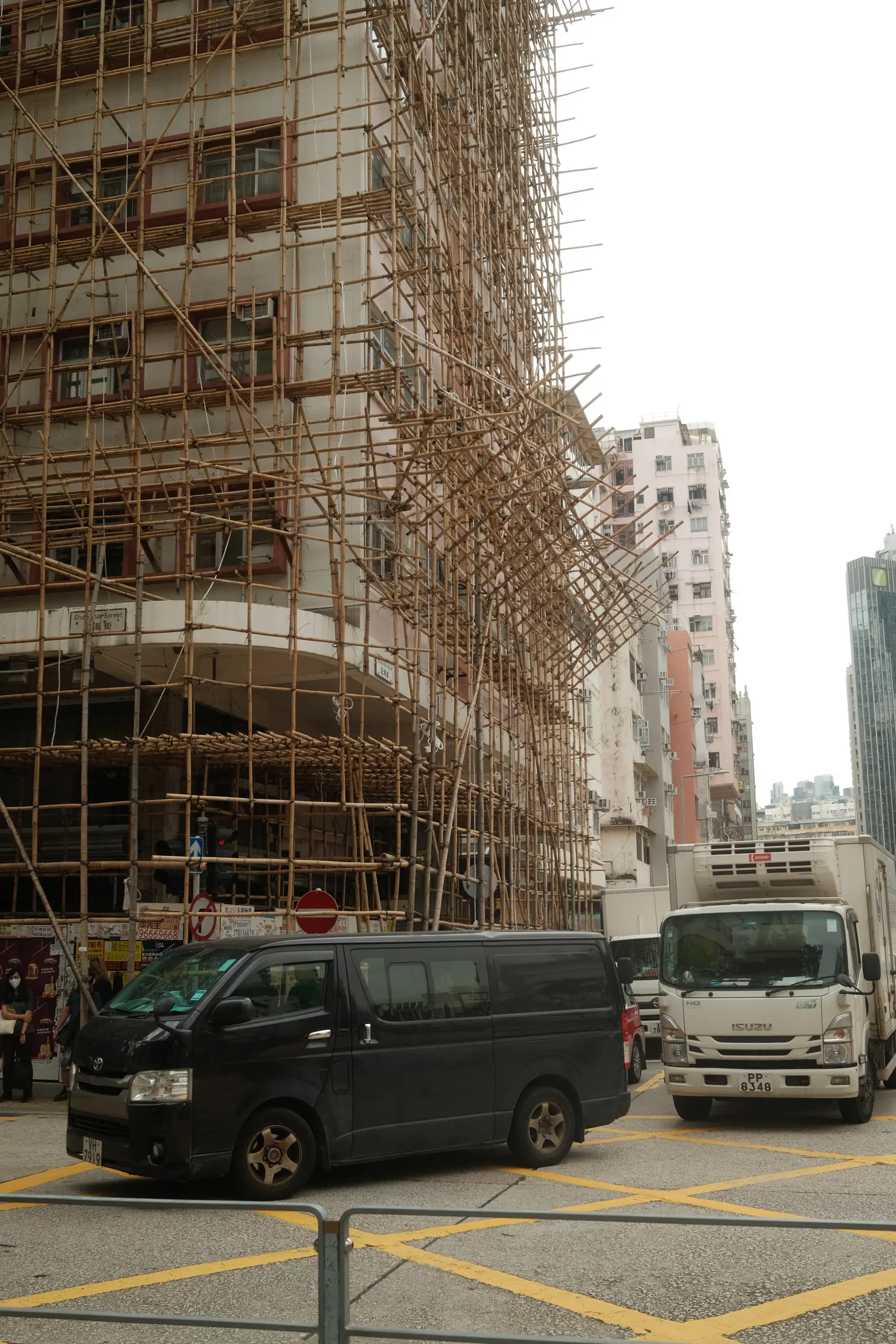
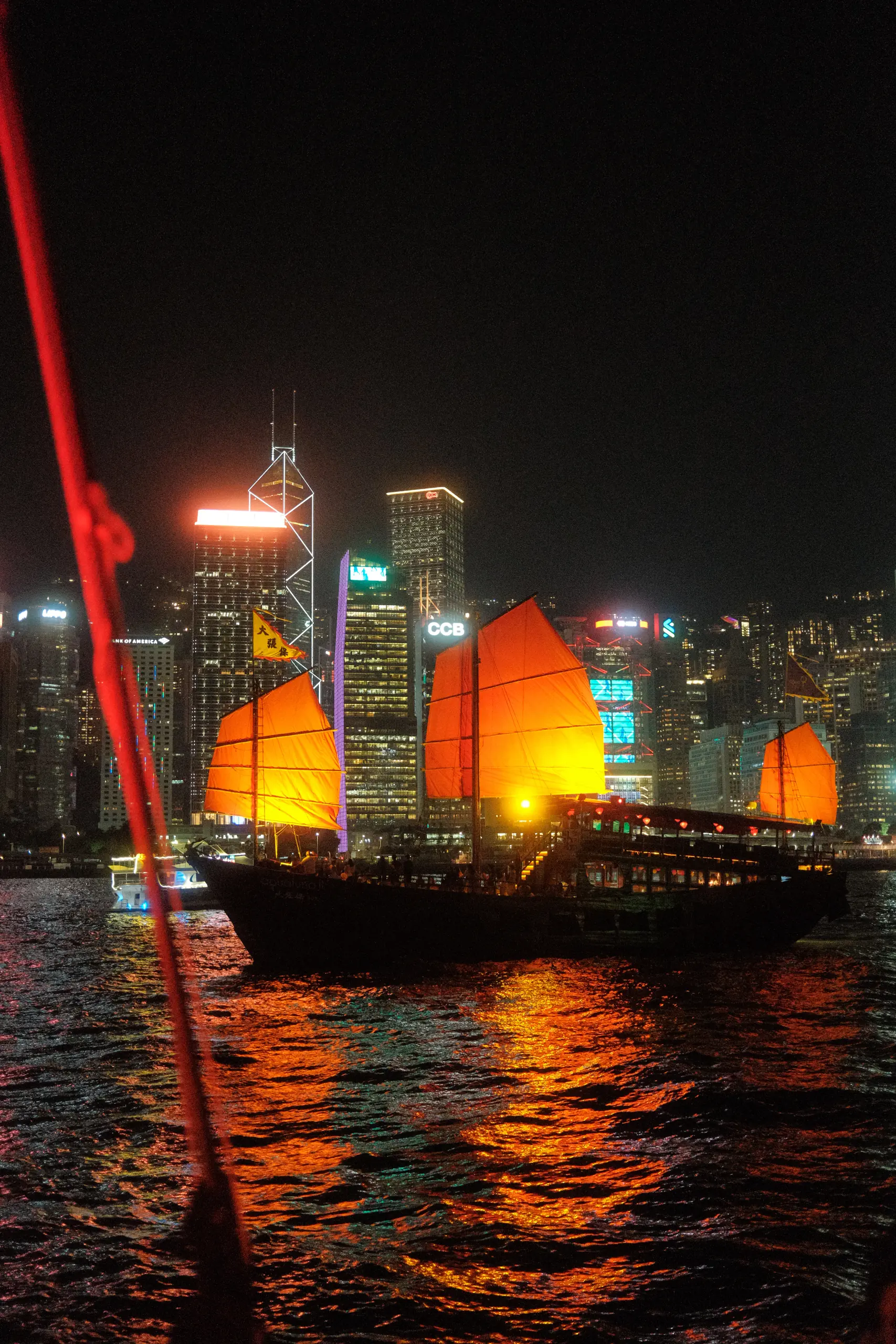
The harbour is the centre of it all. We took the Star Ferry across for one of the best views of the skyline and then went up to the Peak for the view from above.
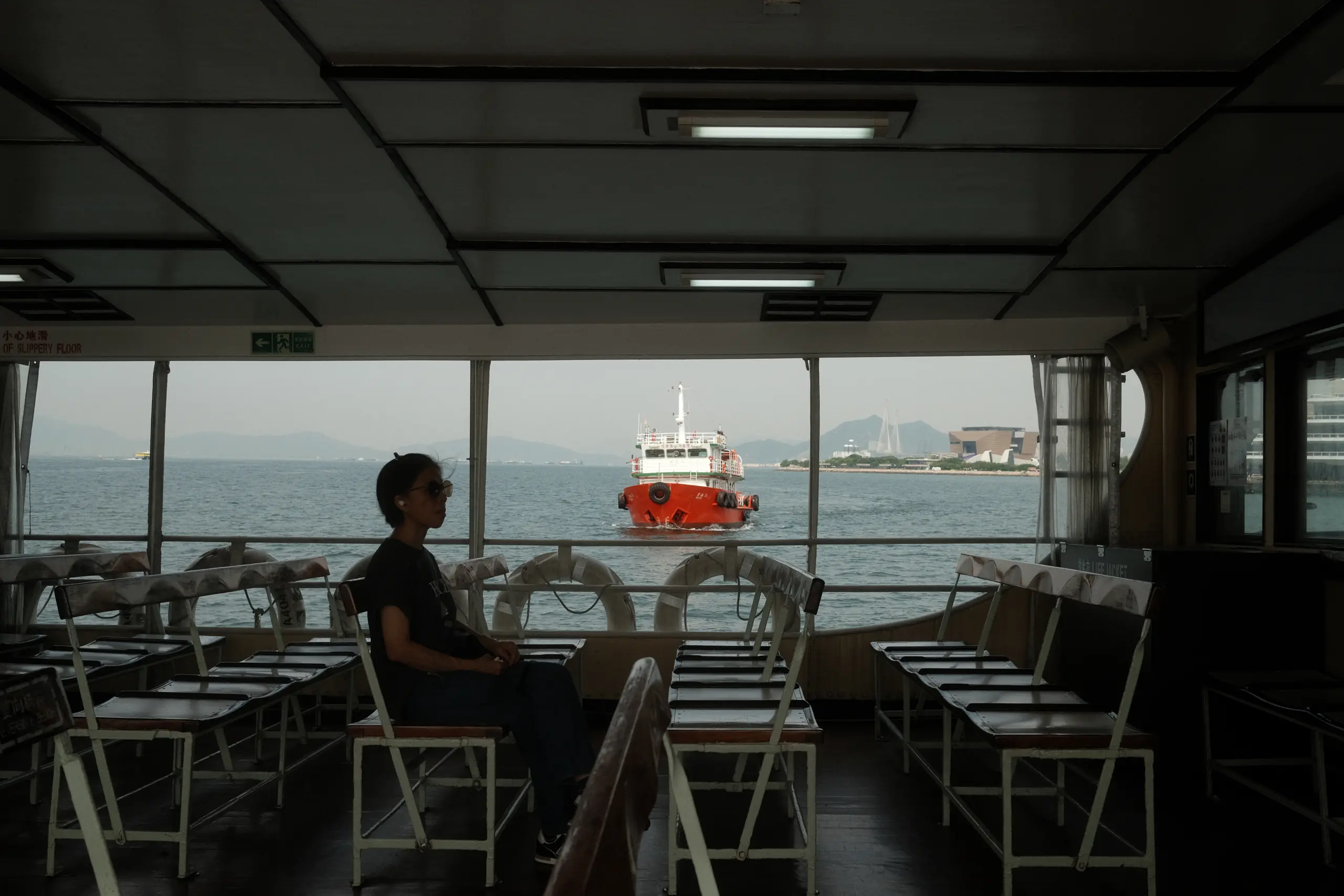
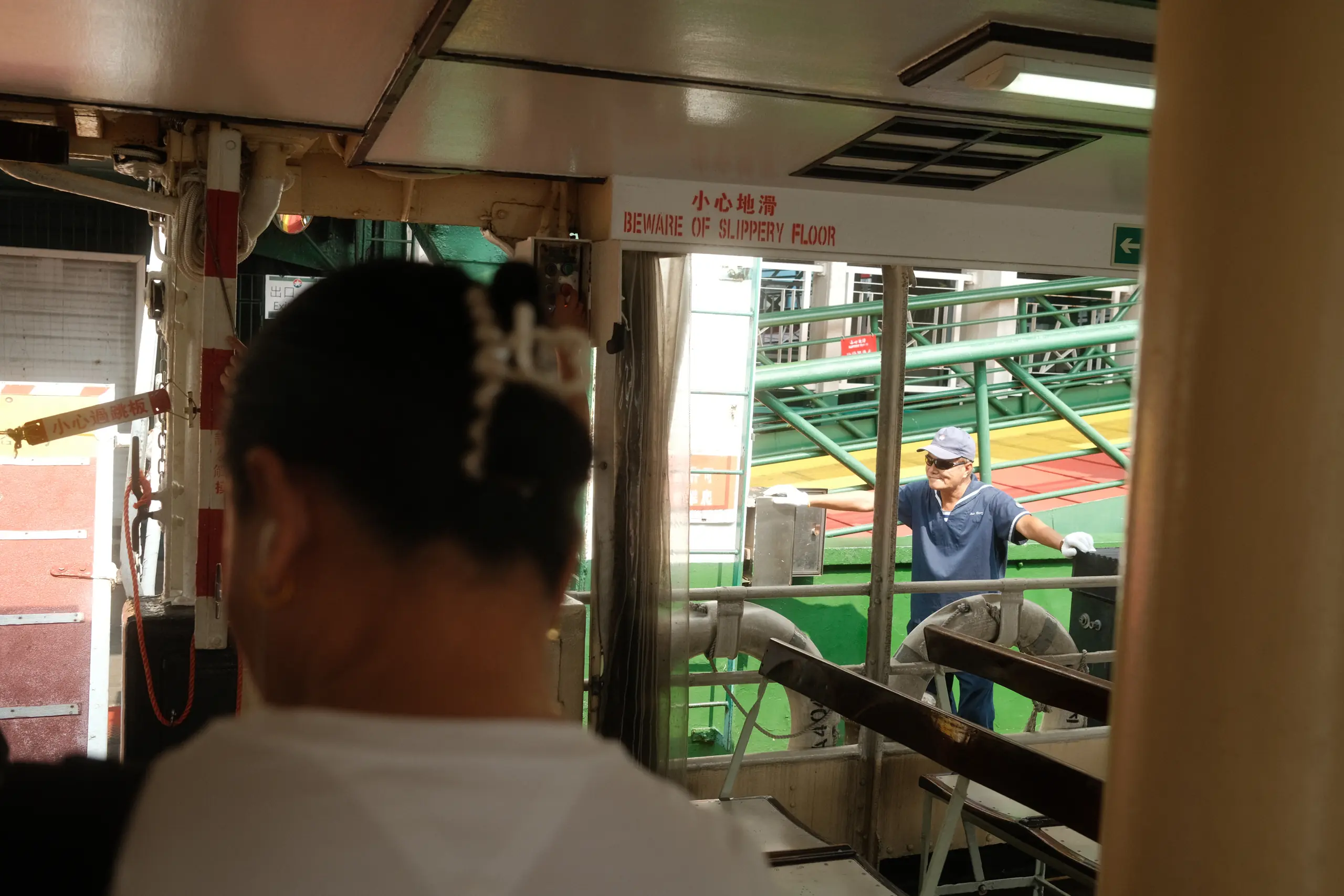
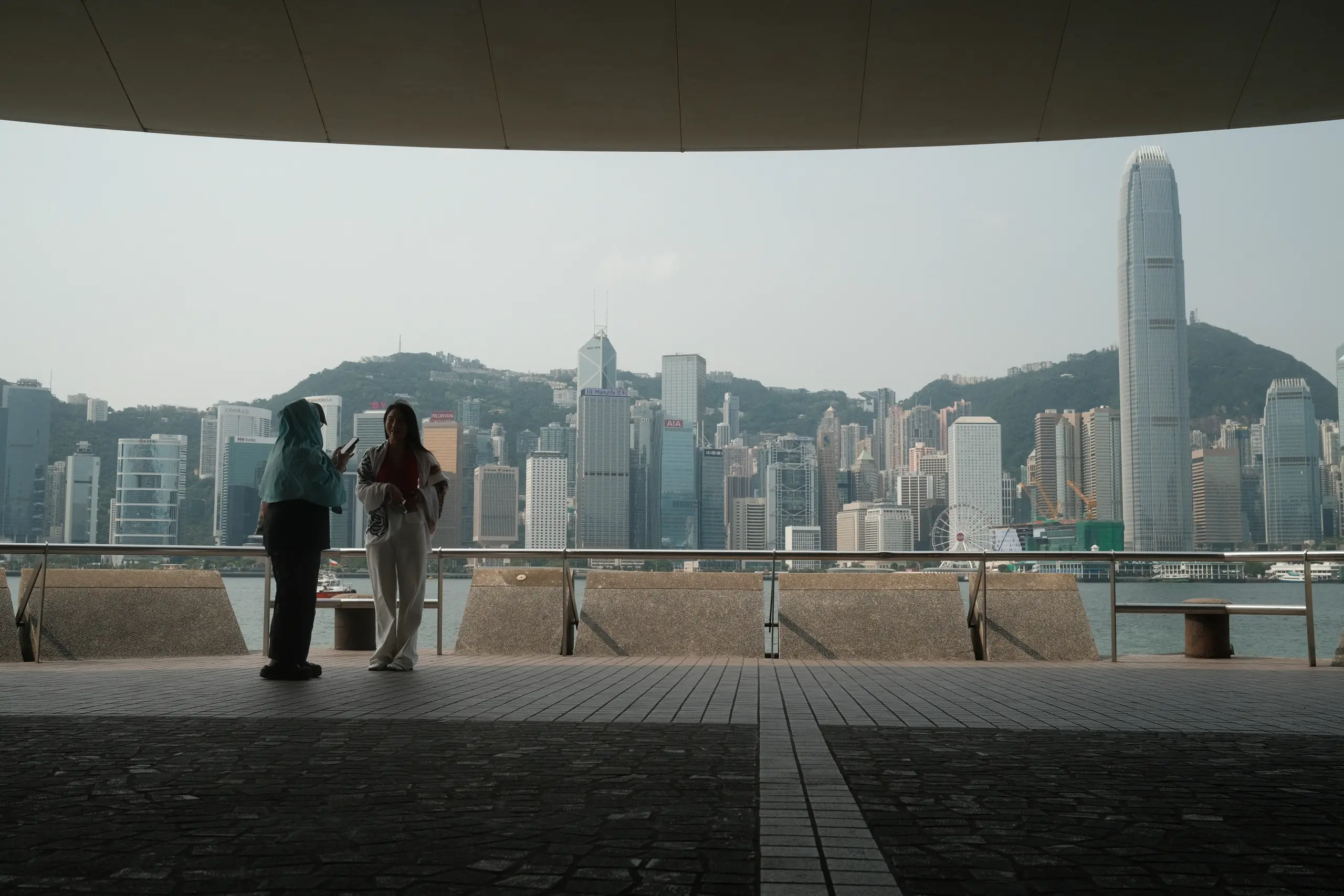
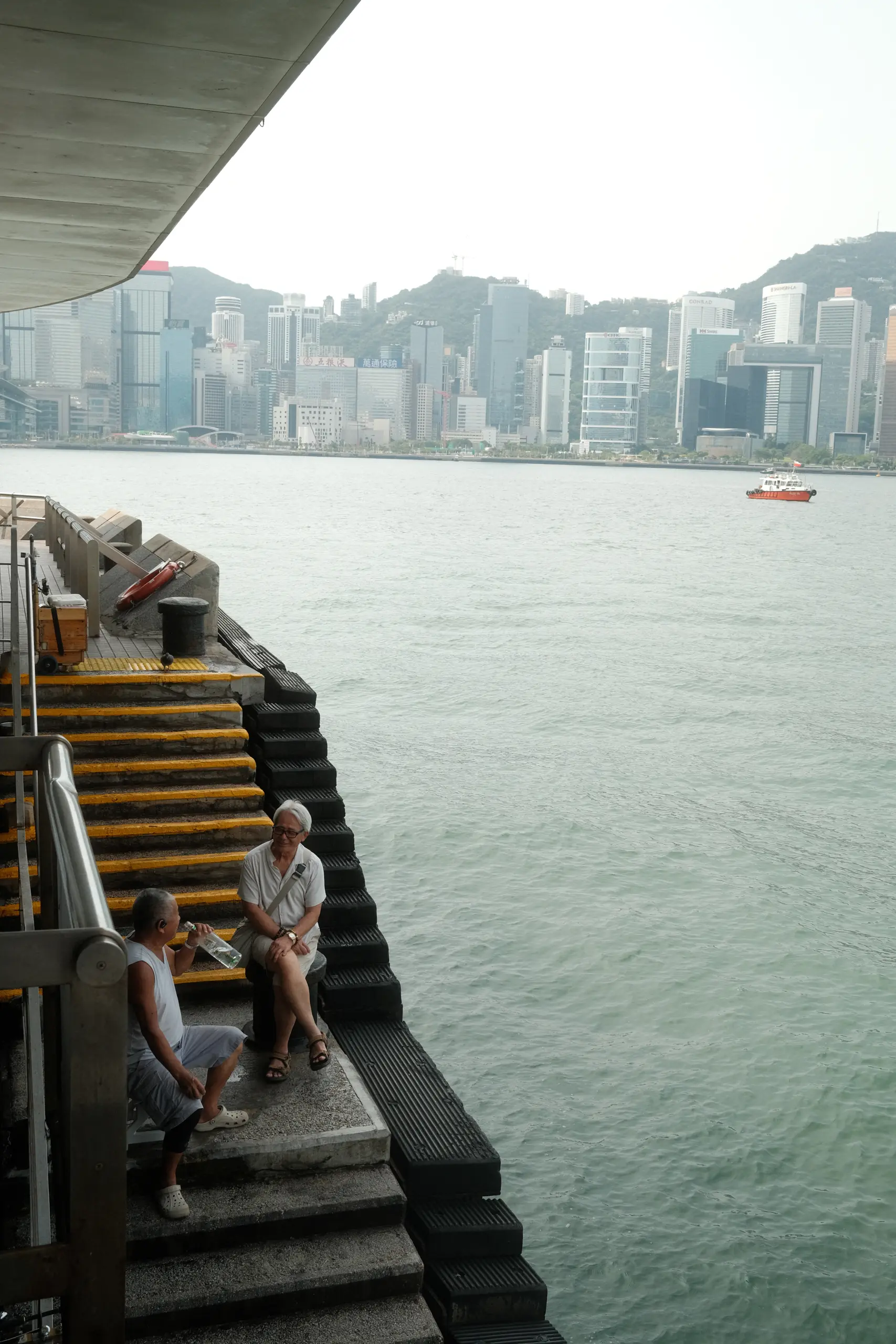
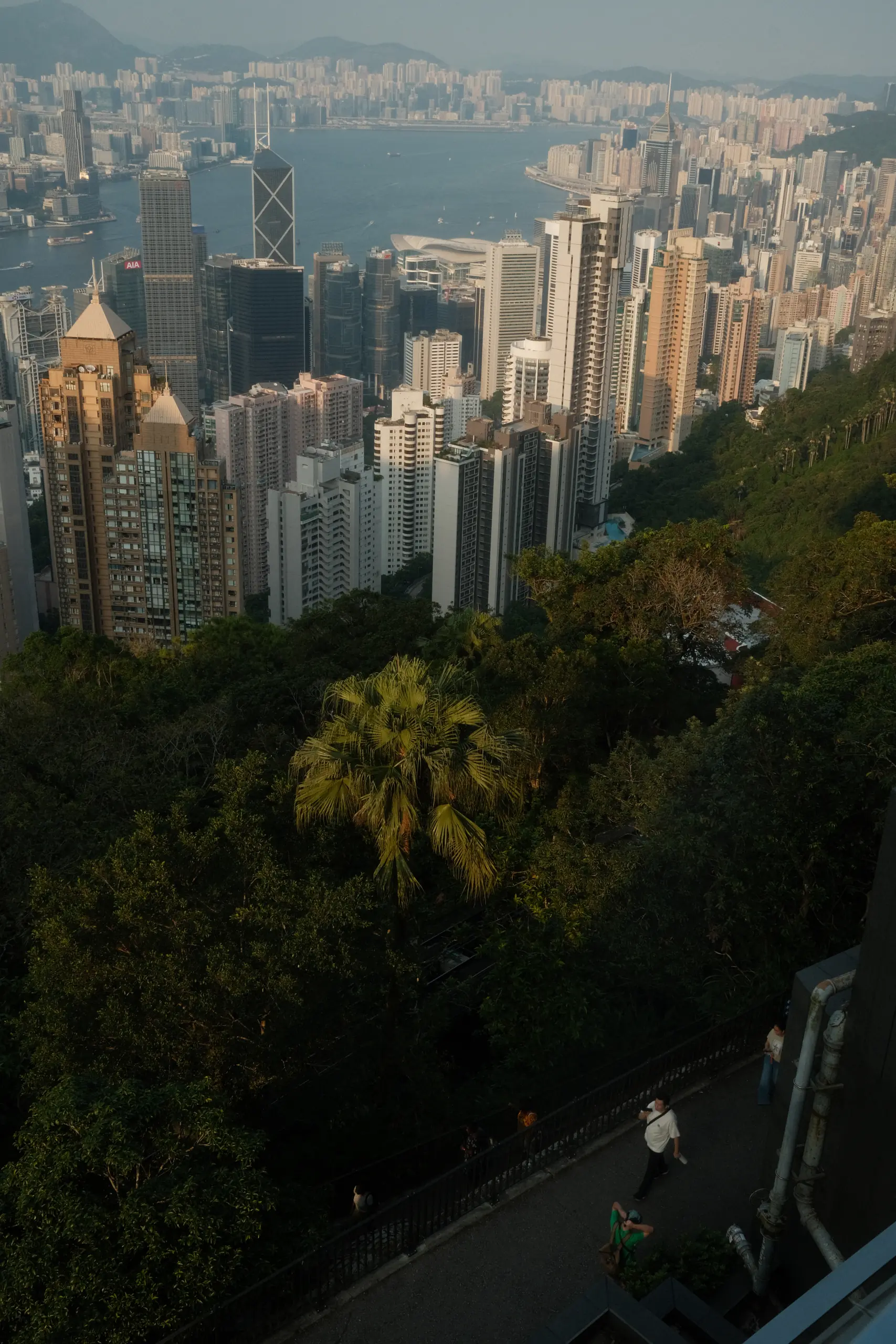
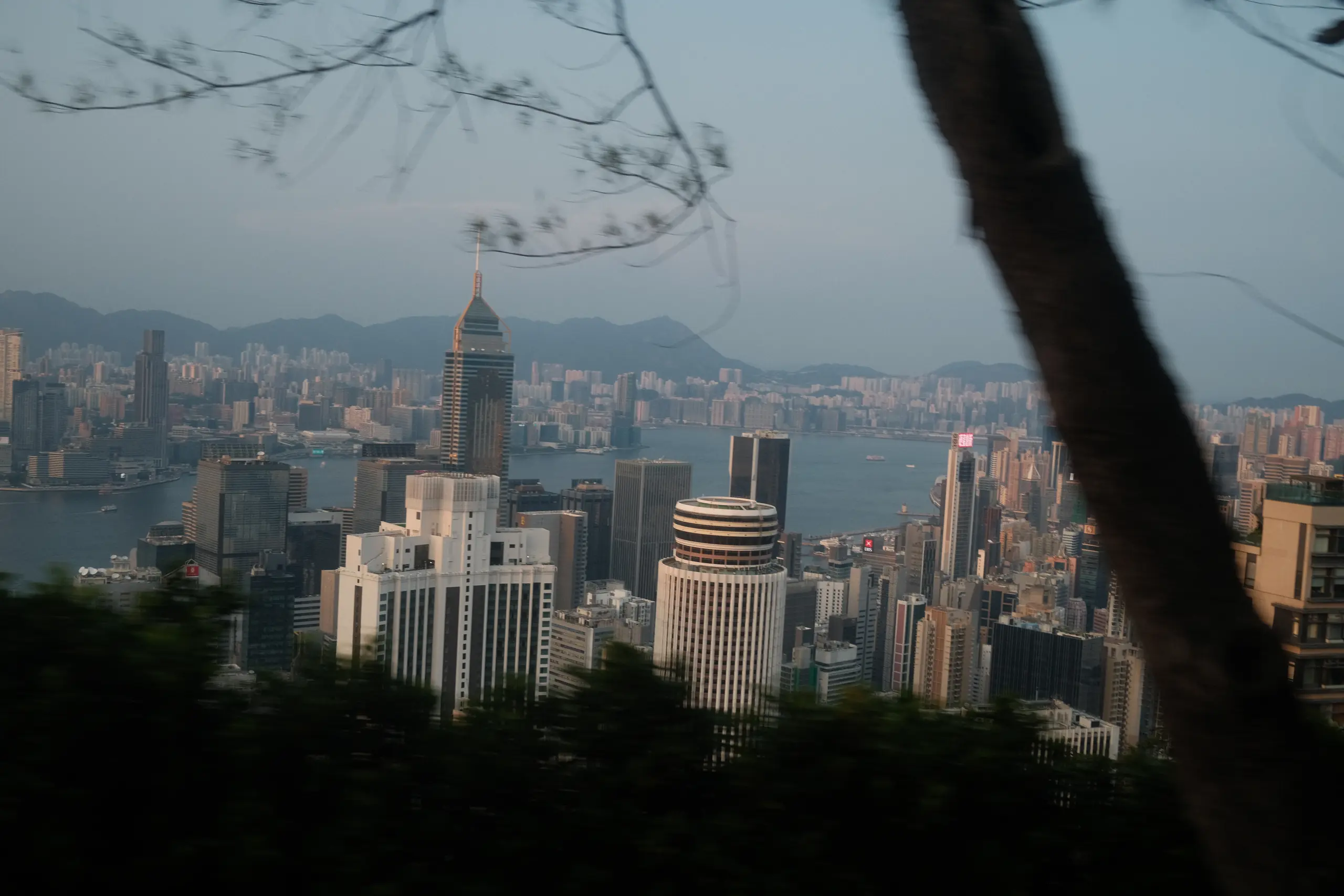
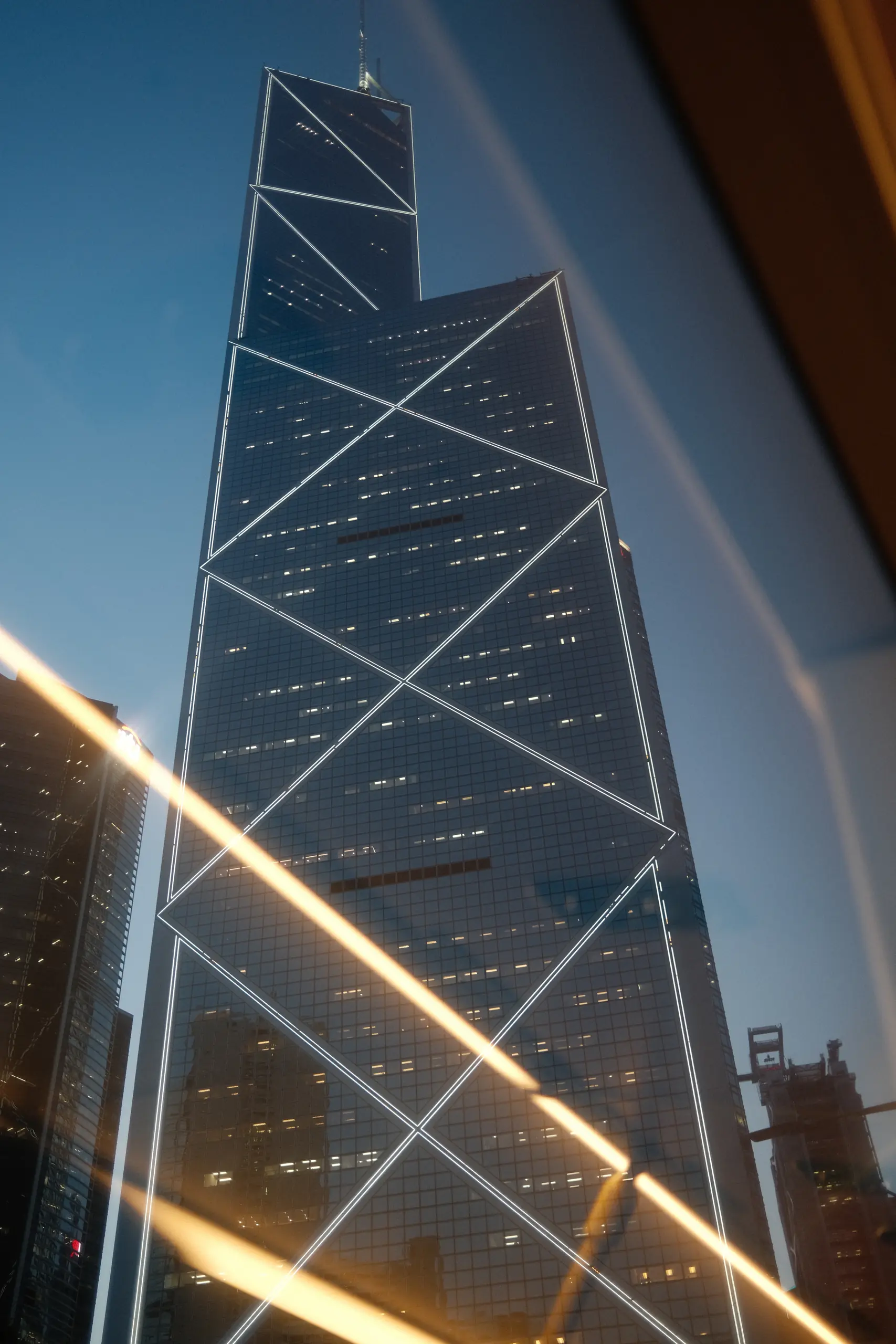
At night we sat on the Kowloon side and watched the lights come on.
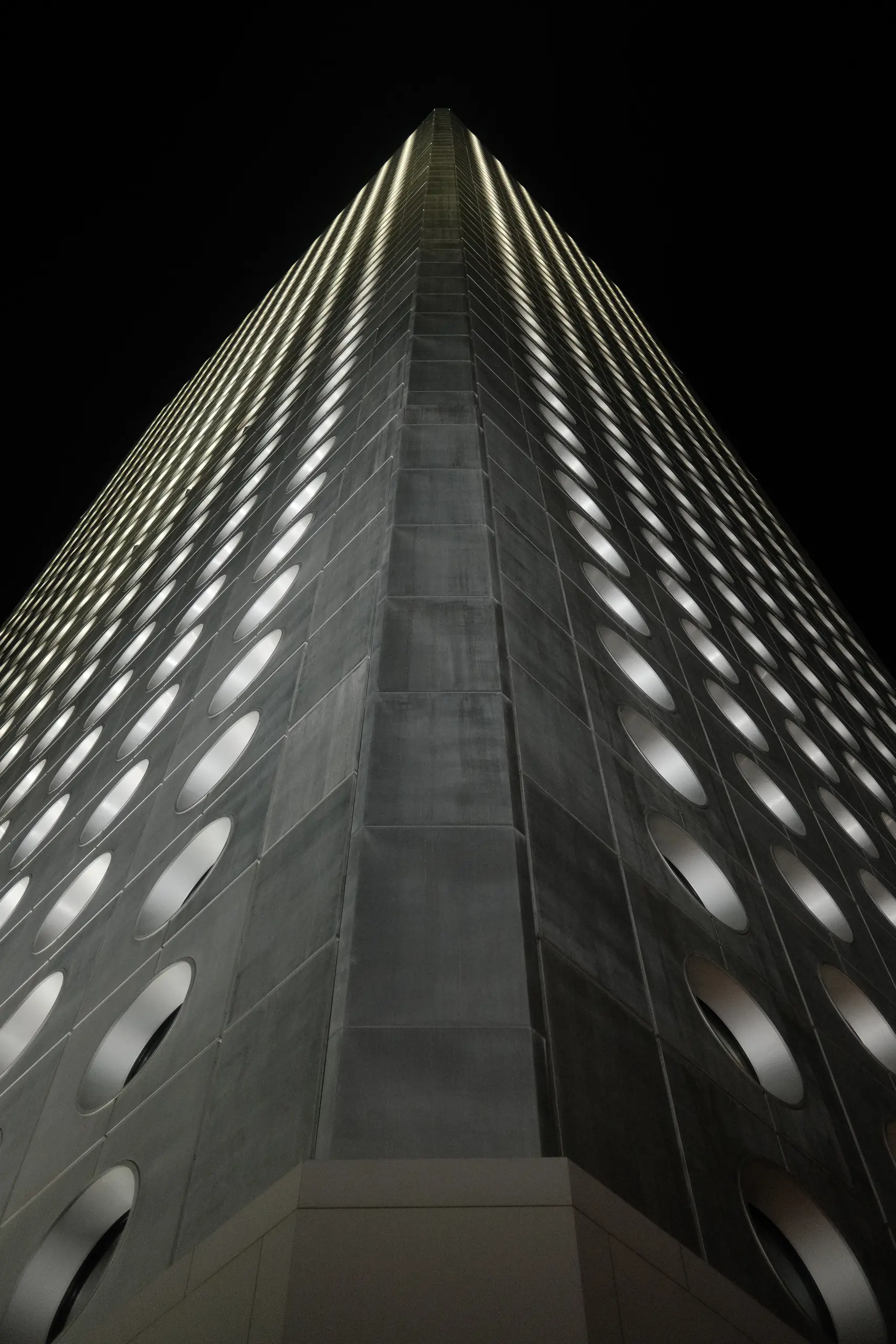
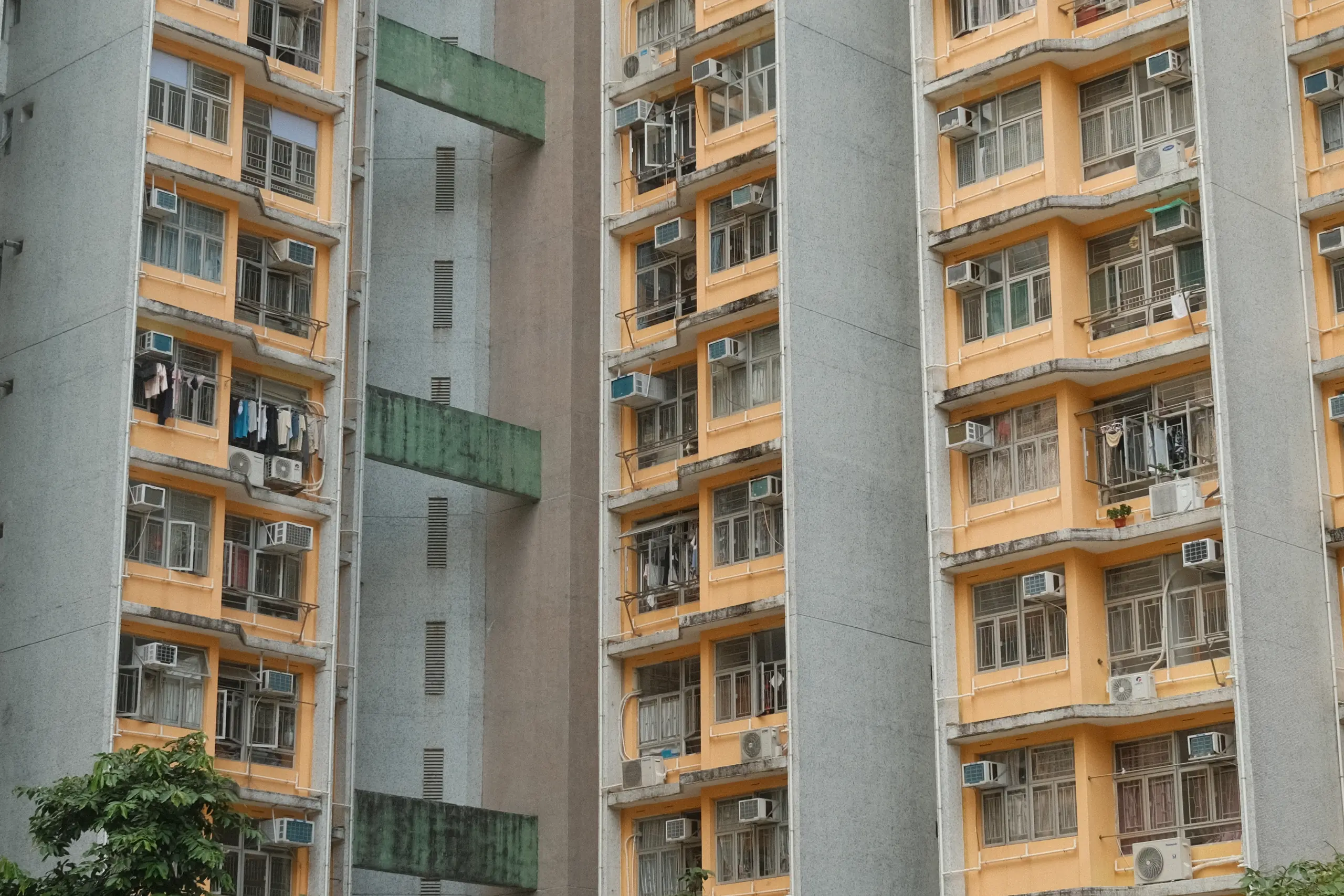
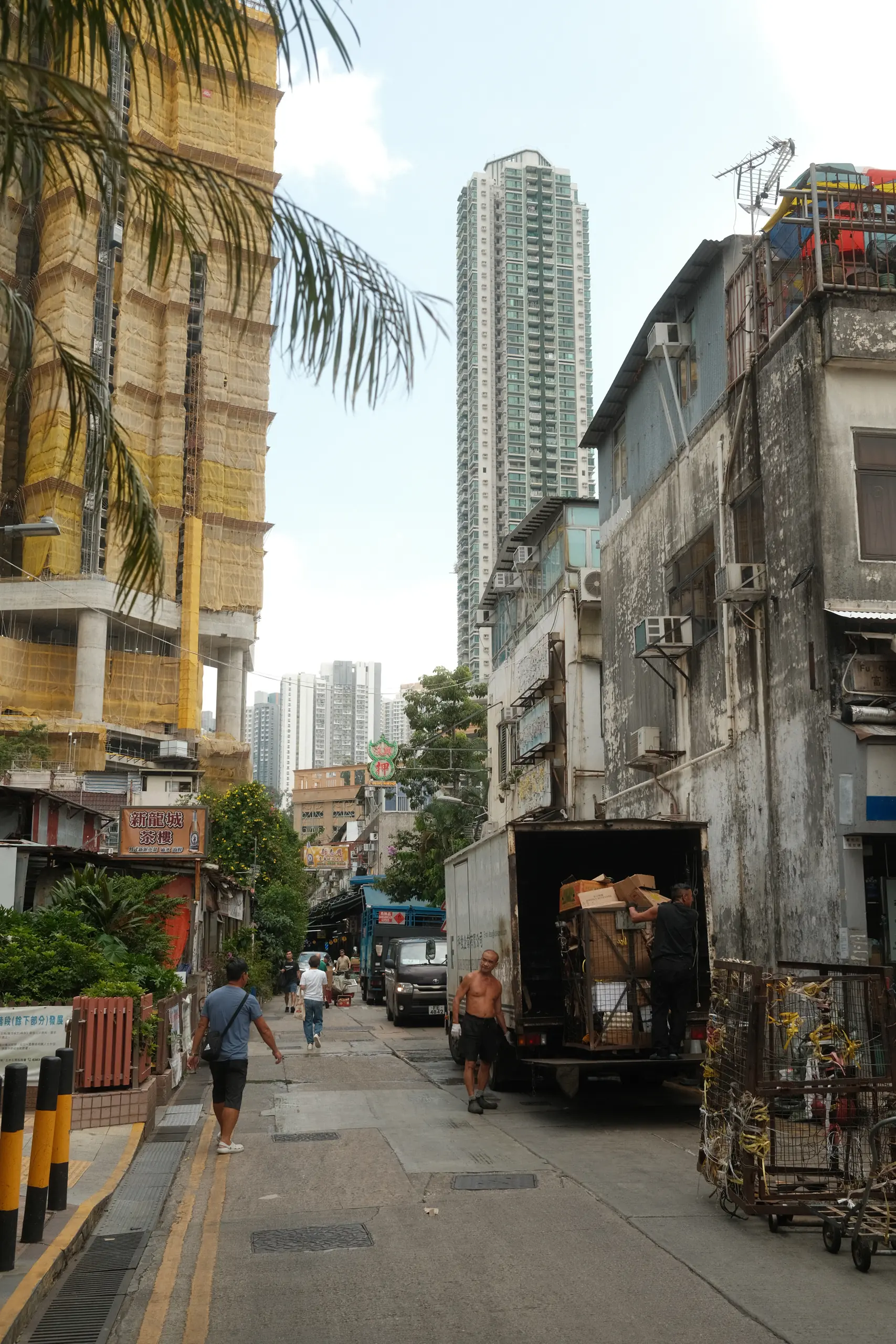
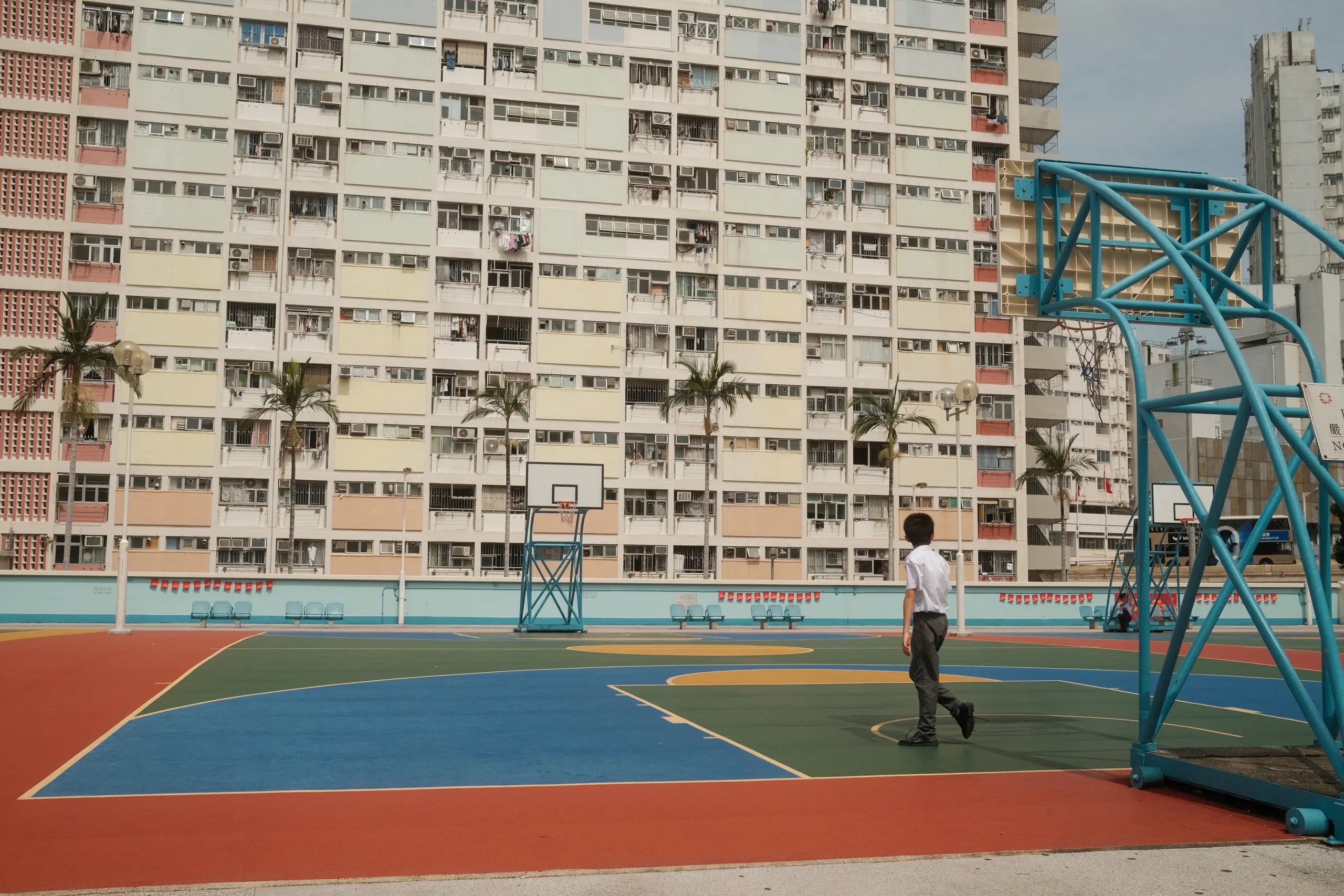
The most interesting day was away from the sights, walking through the parts of Kowloon where most people actually live. We walked past the public housing estates.
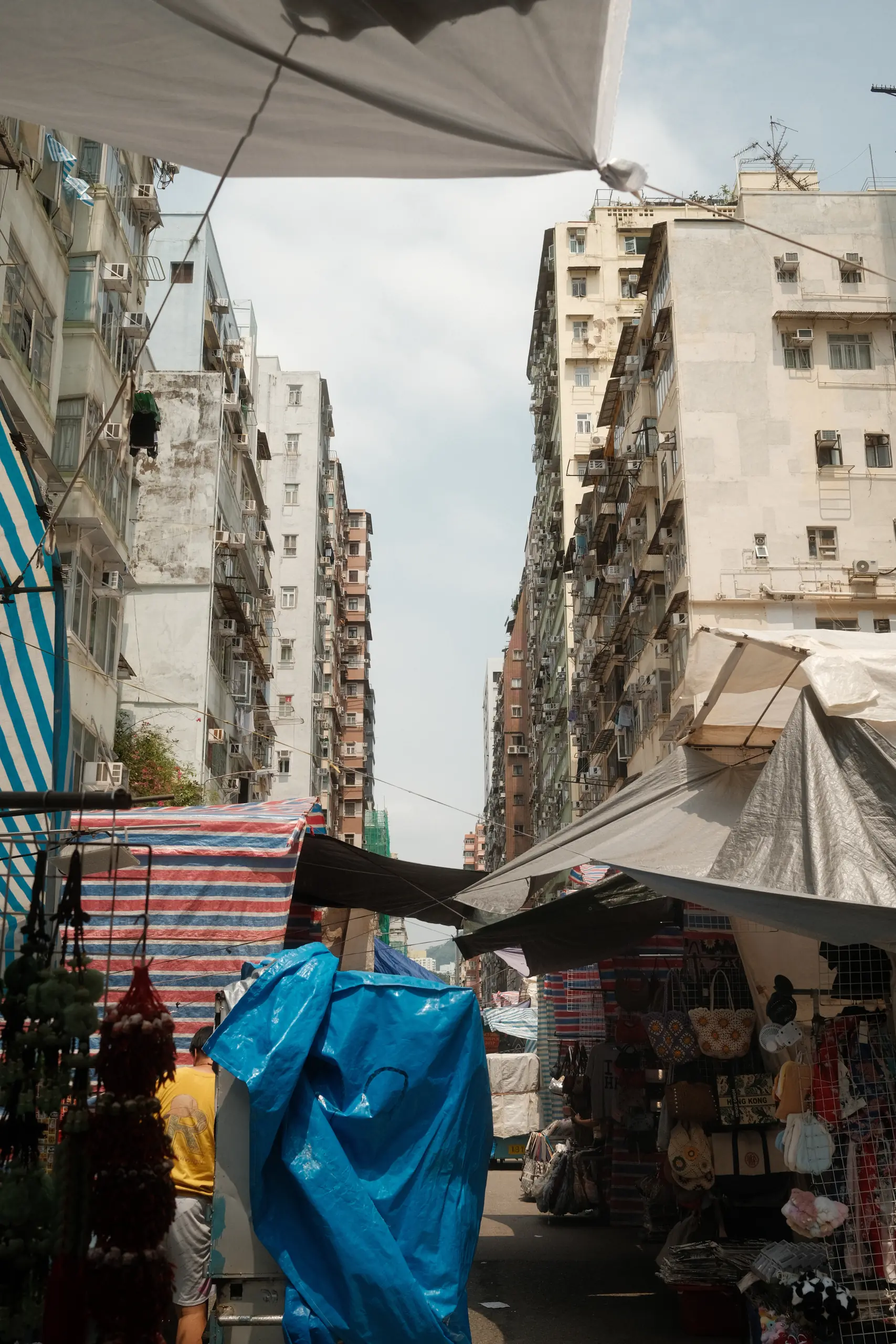
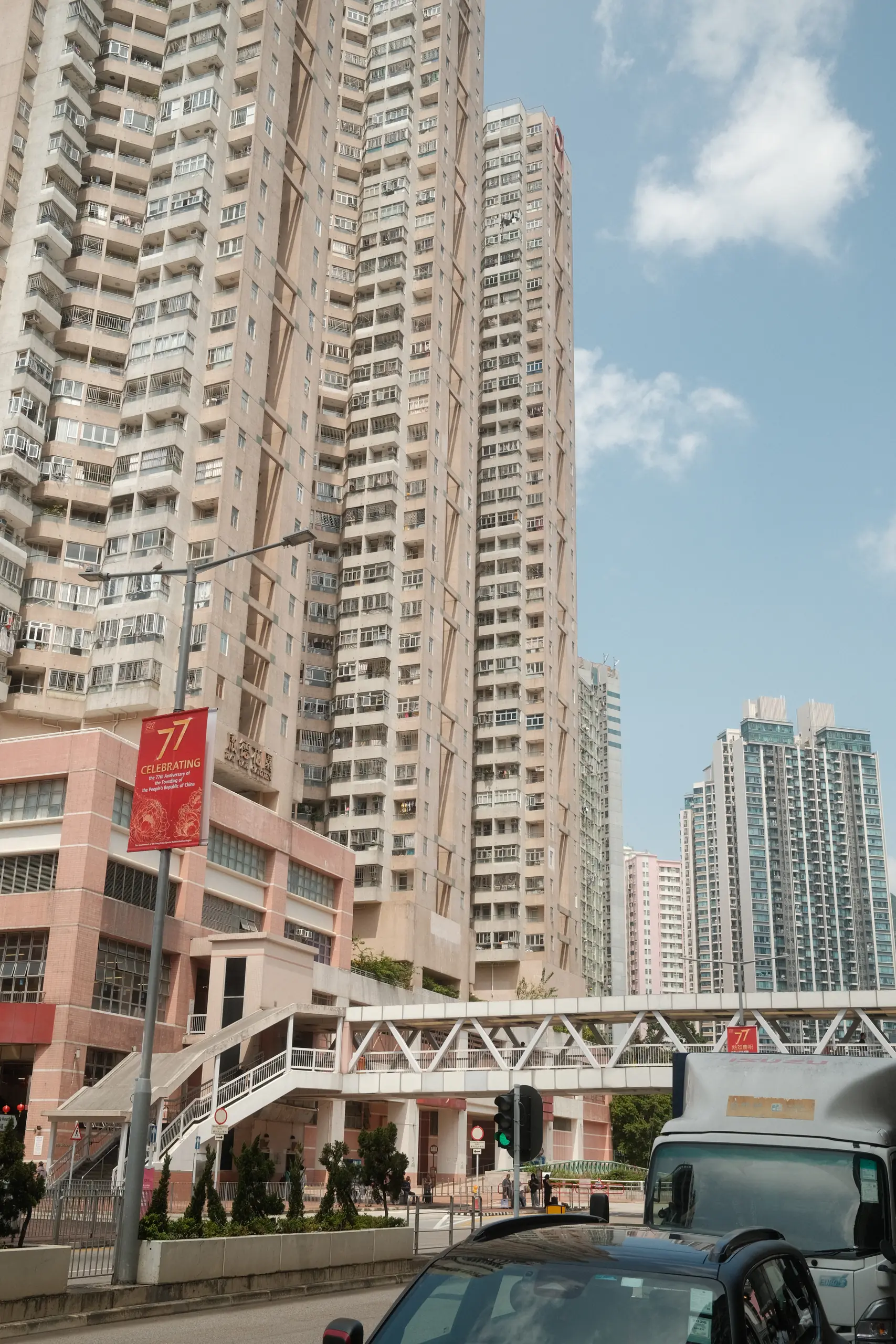
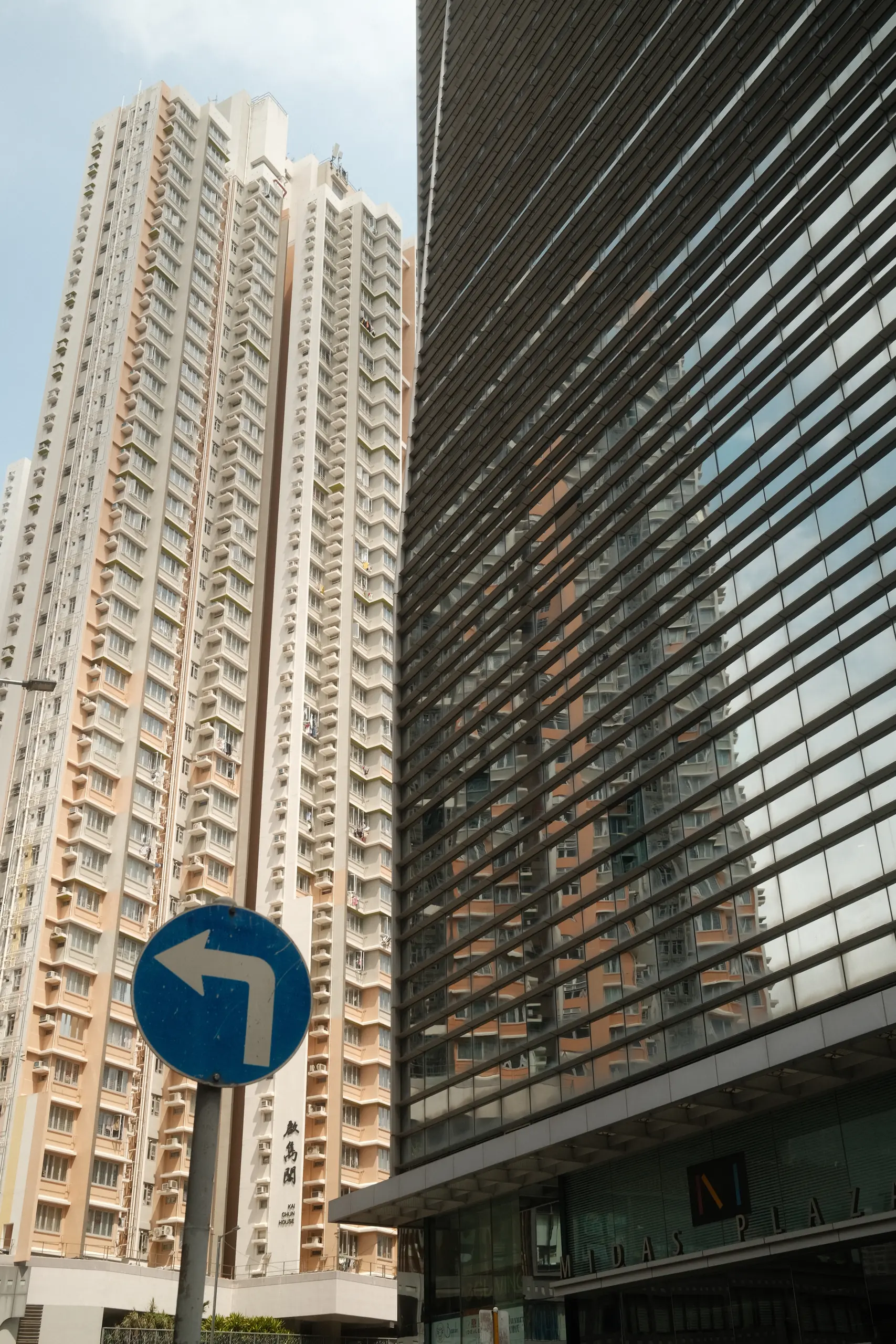
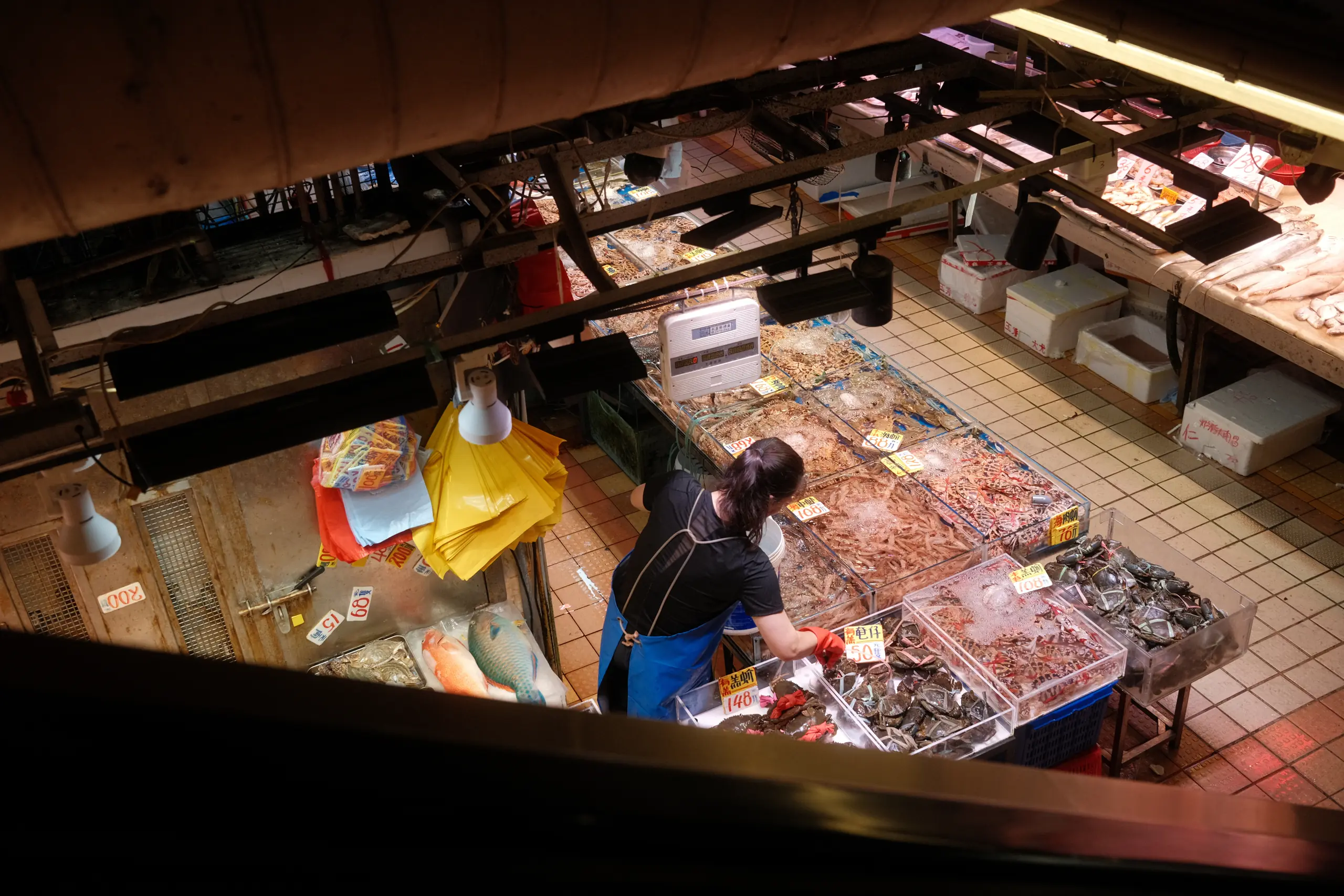
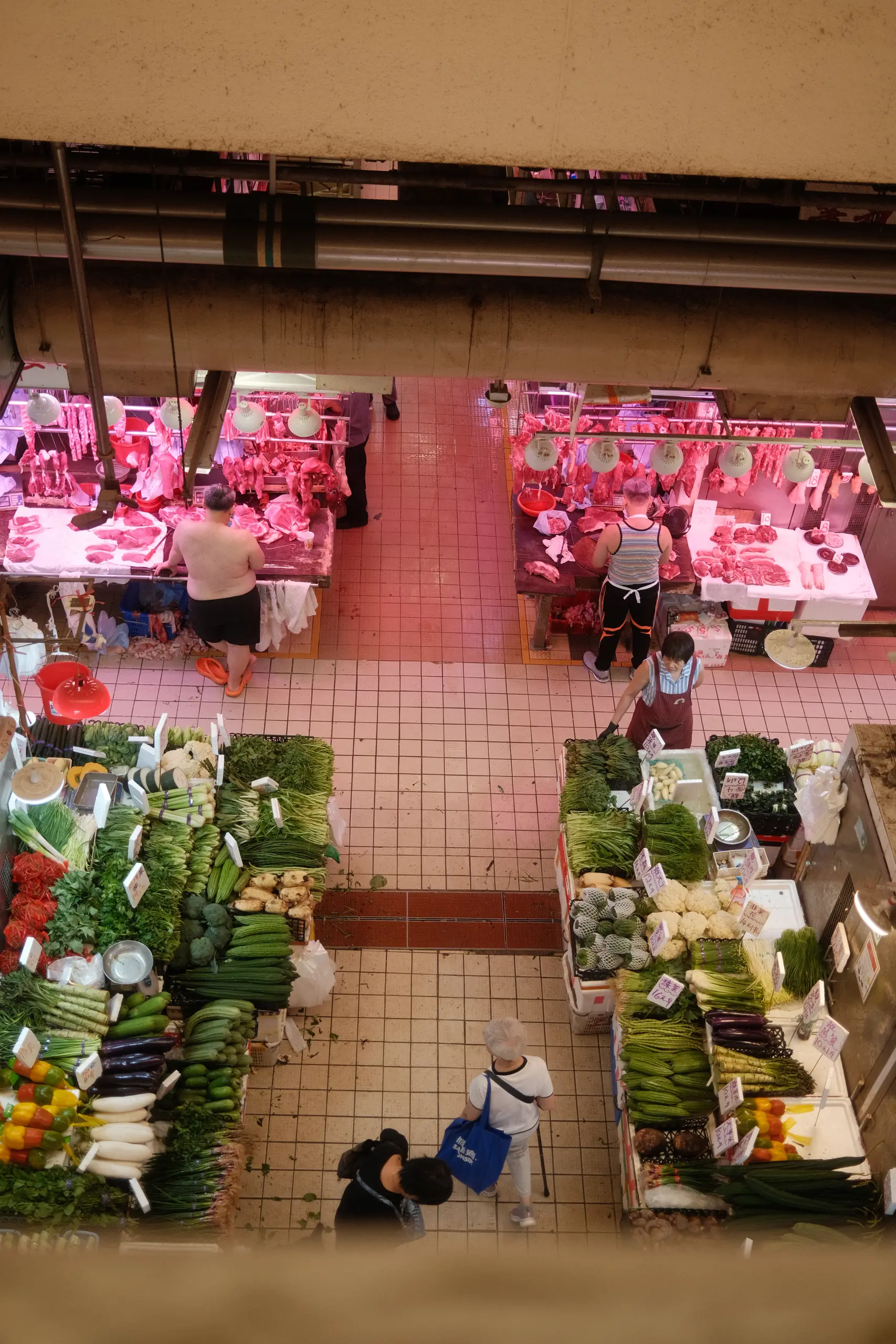
A stumbled into a wet market in full swing.
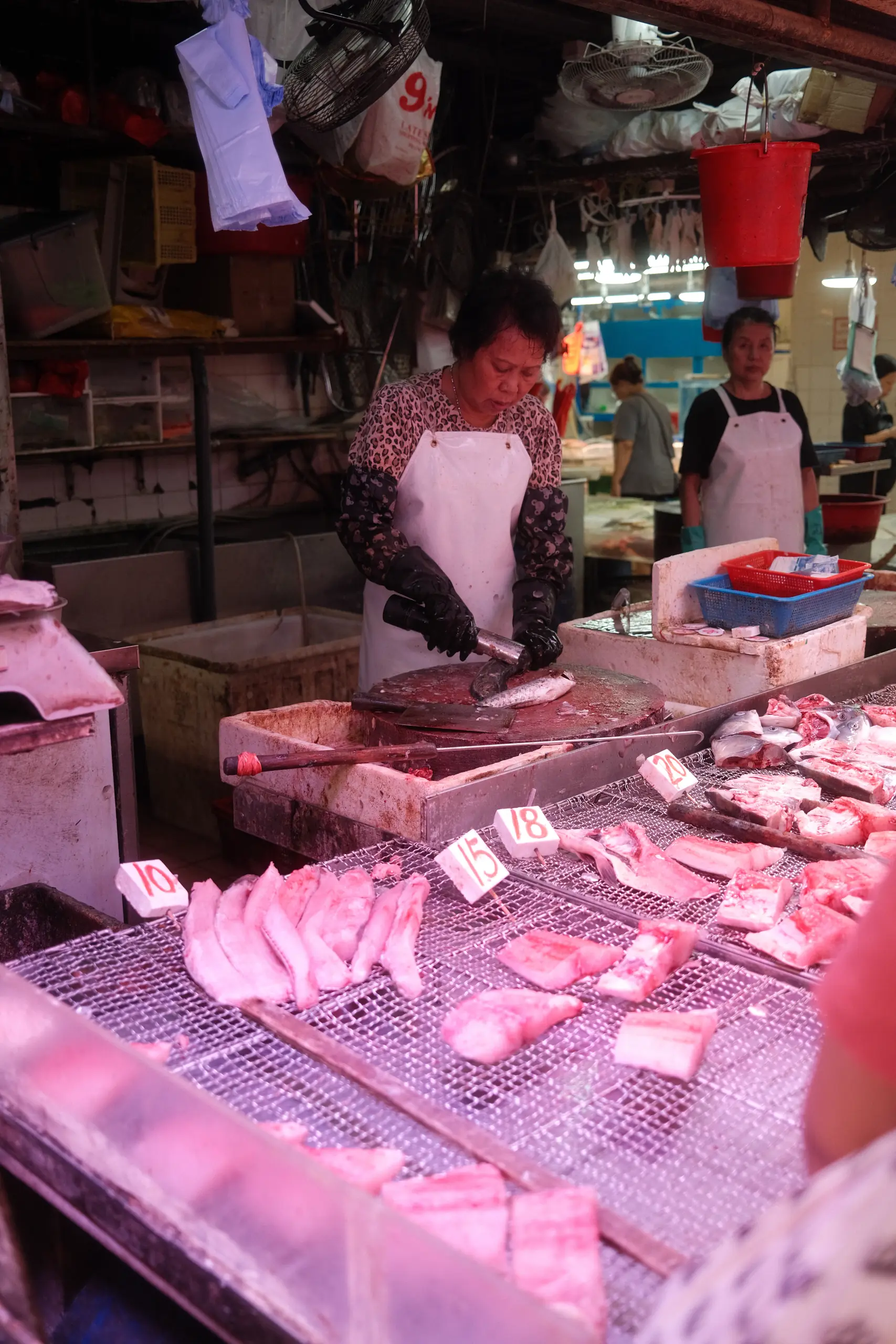
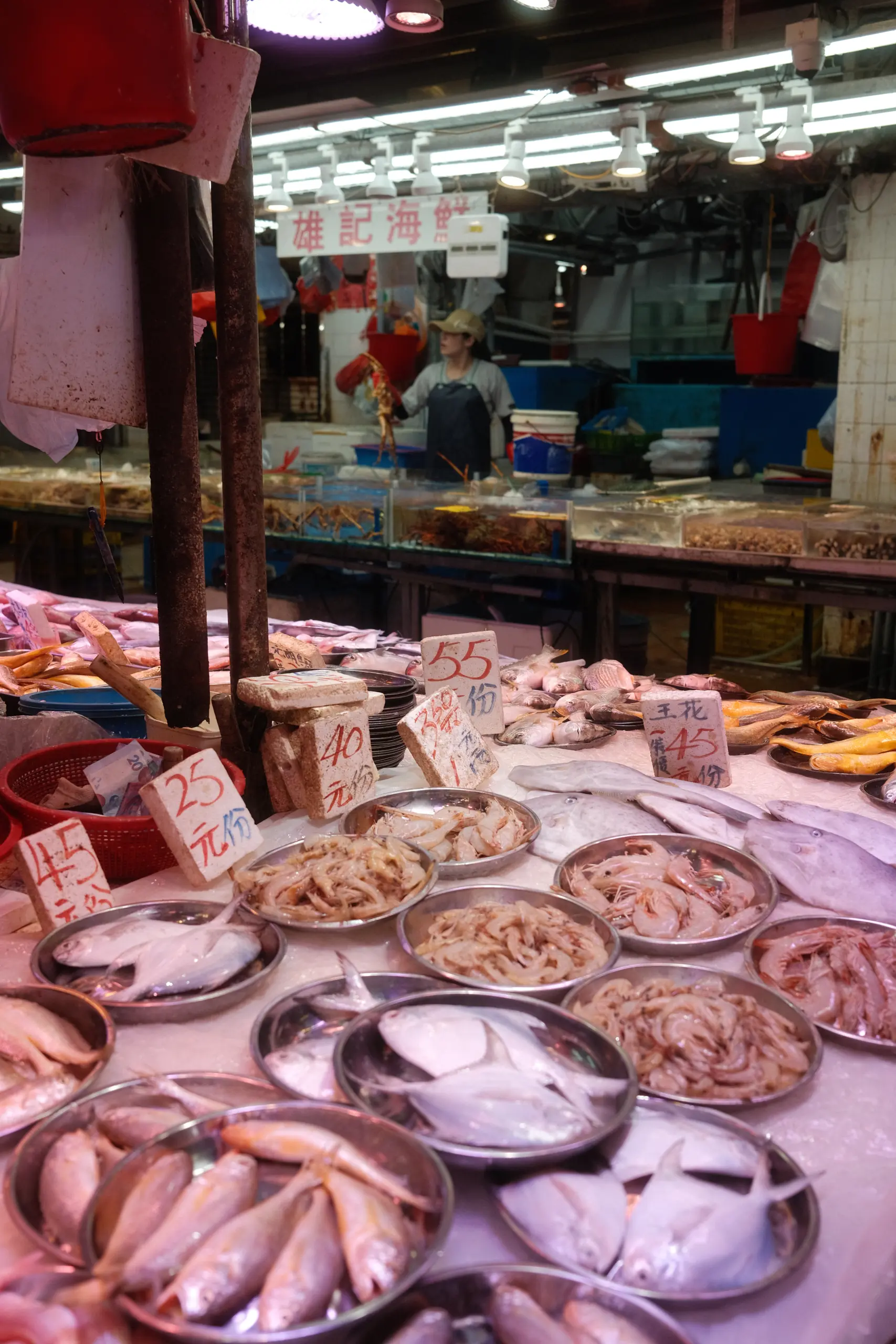
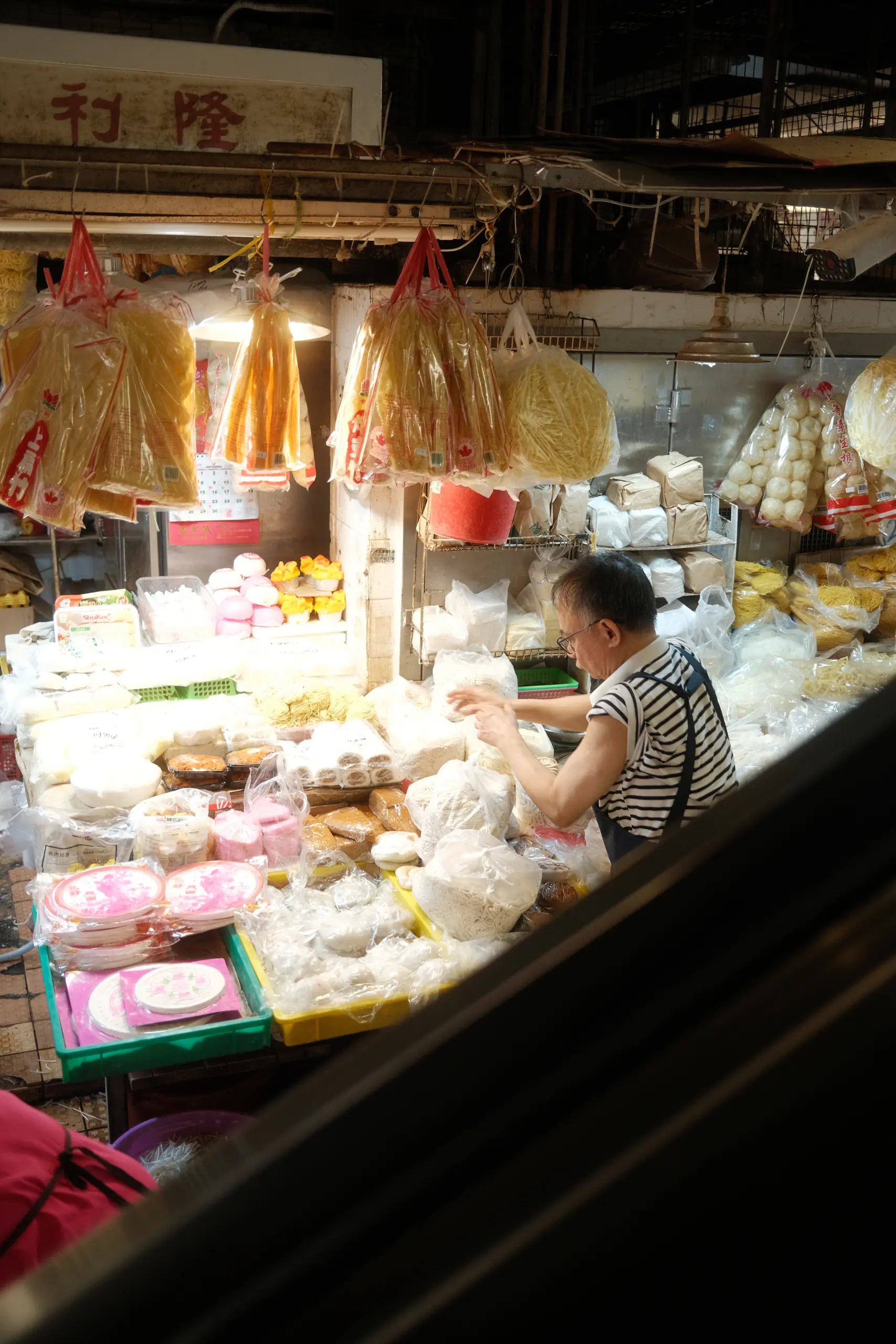
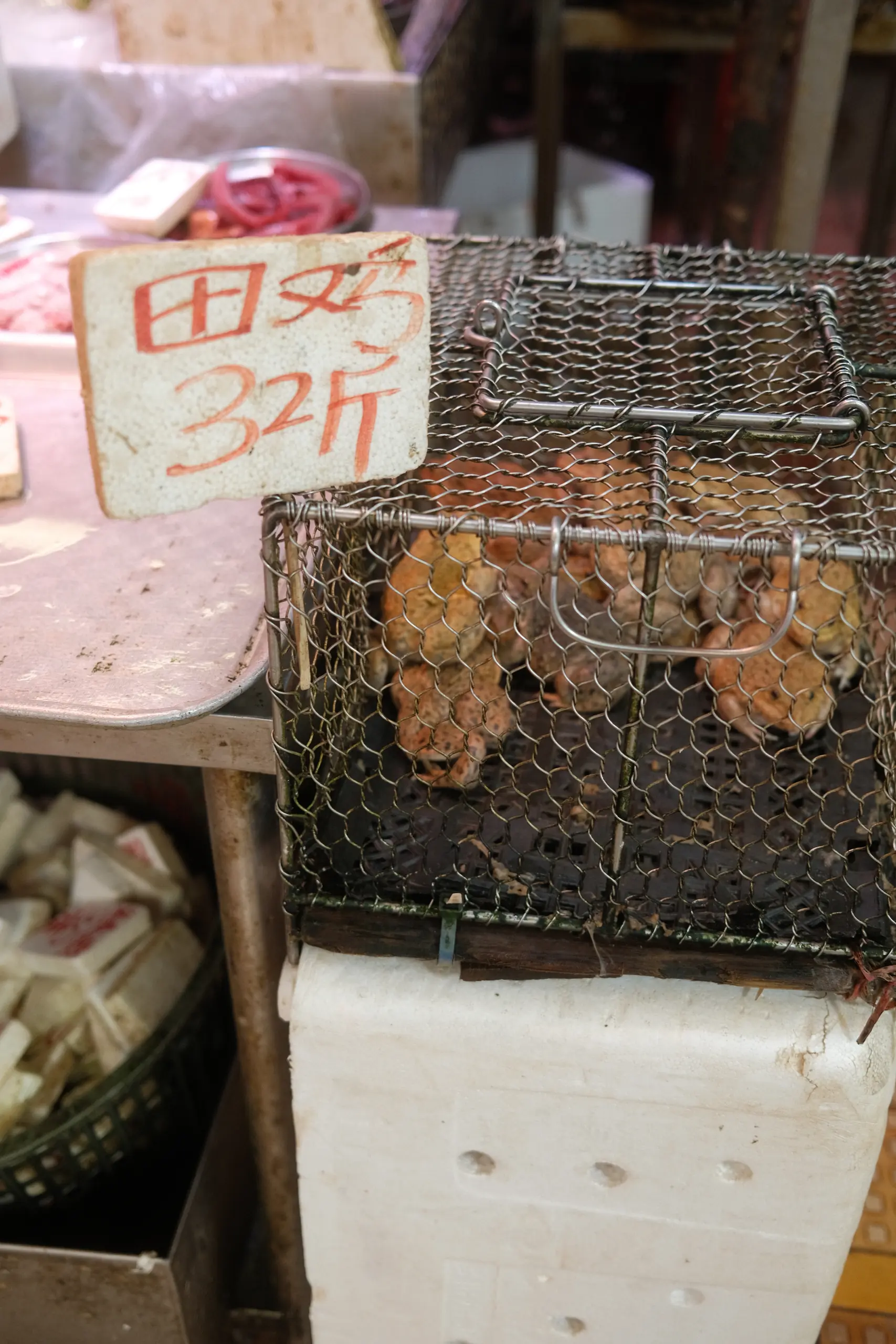
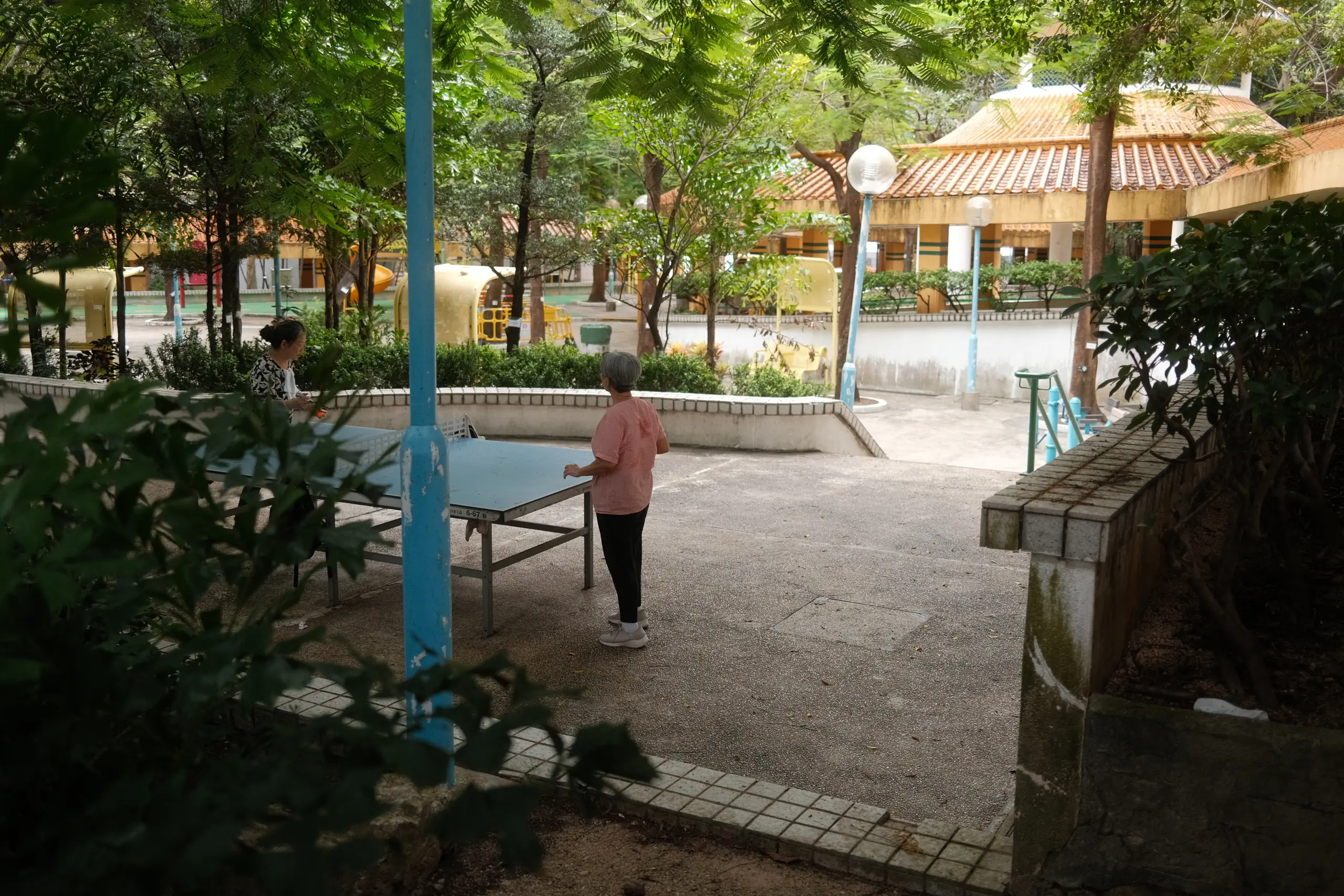
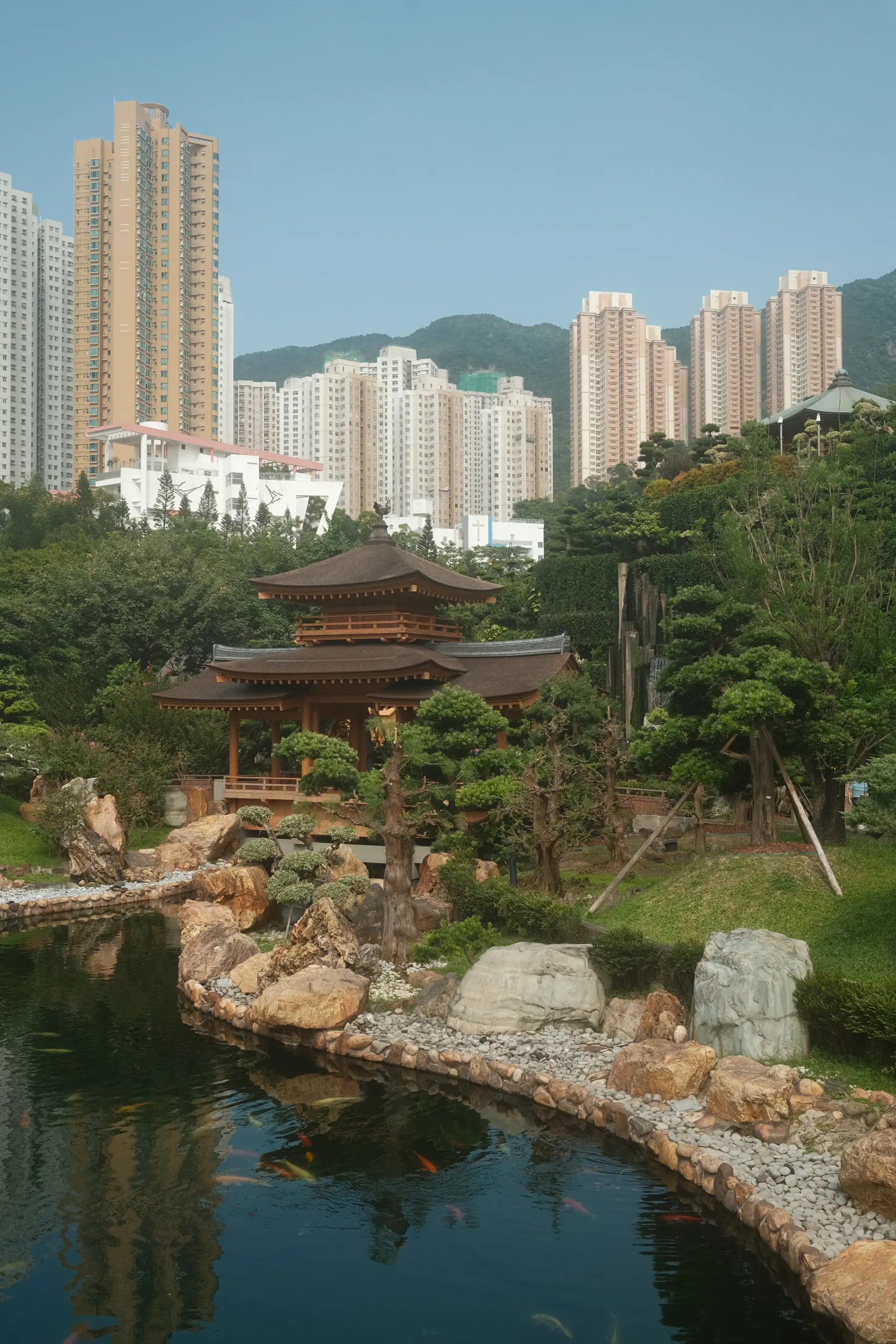
And finally ended up in the Nan Lian Garden, which sits between the towers as if it had always been there.
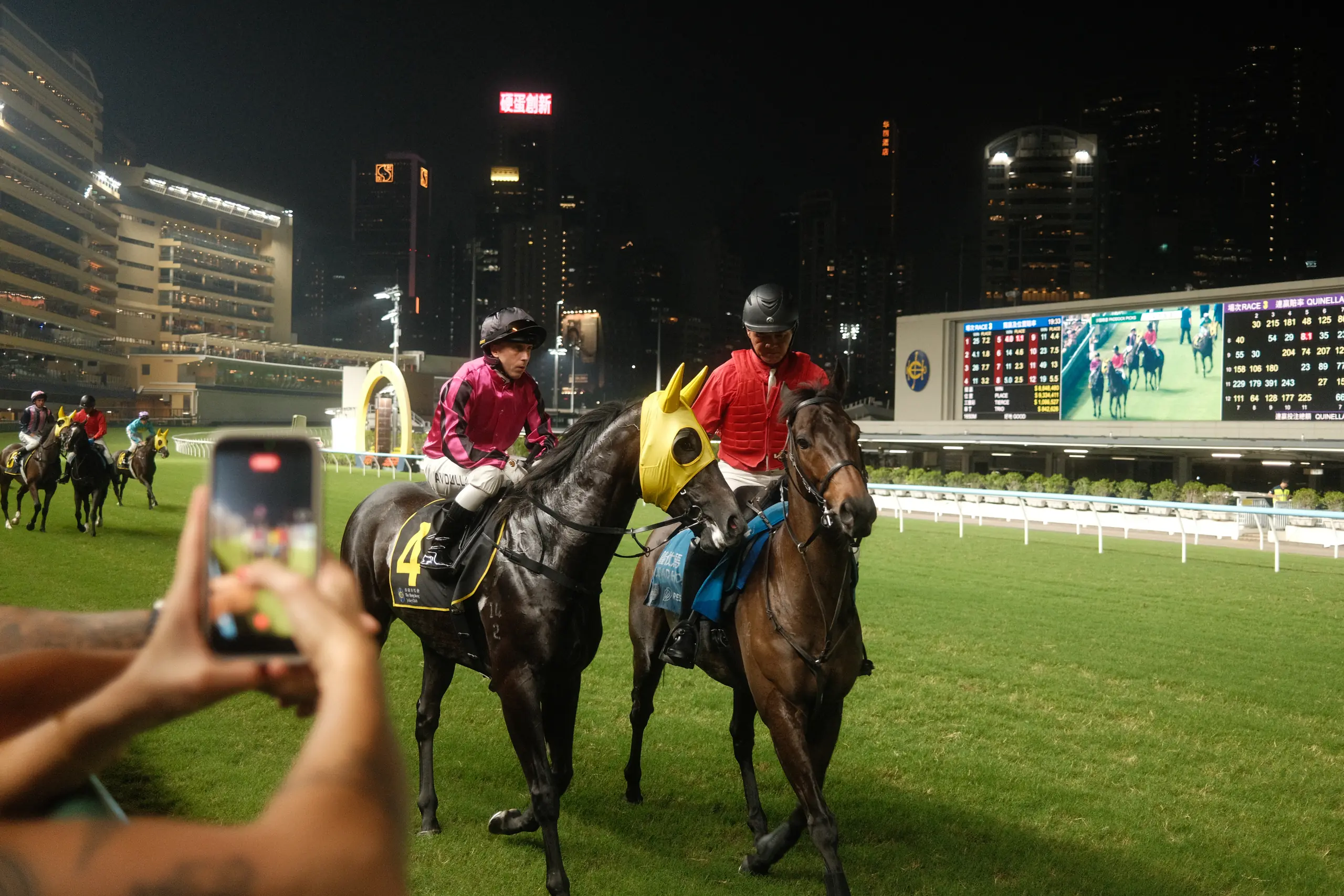
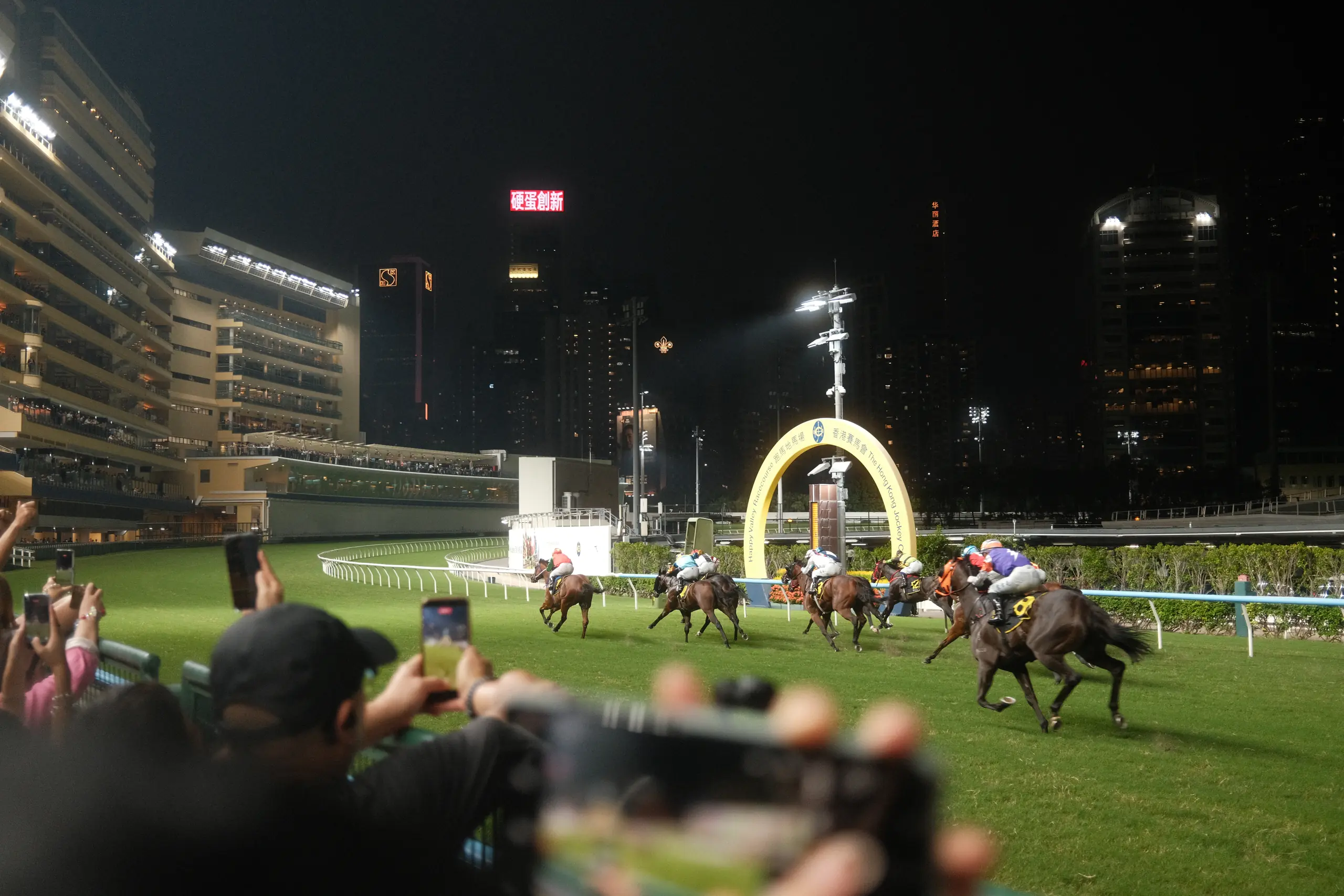
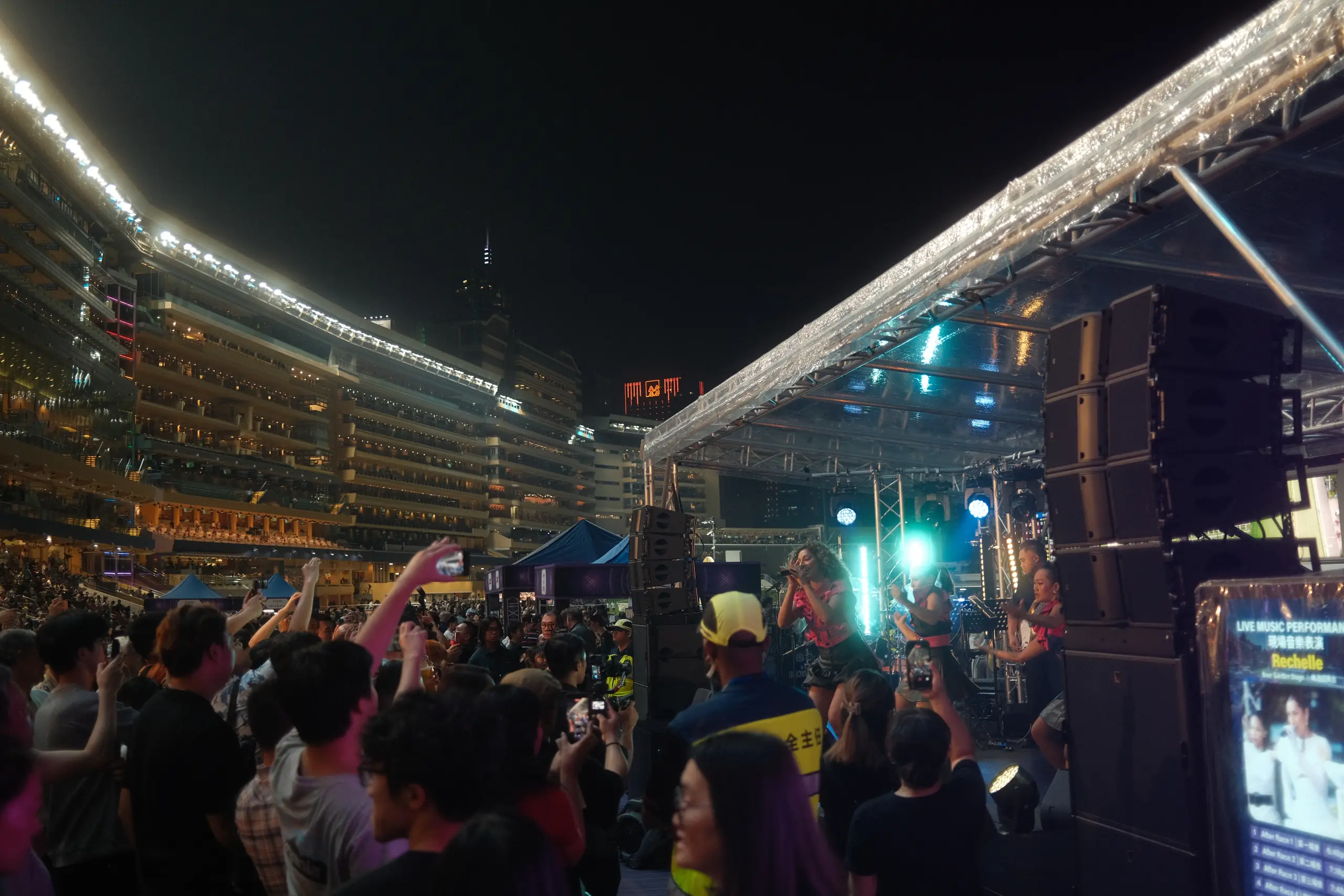
Wednesday night is race night at Happy Valley, a racecourse in the middle of the city with towers on every side. The entire expat community seemed to be out that night, filling the stands. We put a few dollars on a horse for the fun of it and, of course, lost.
Lantau
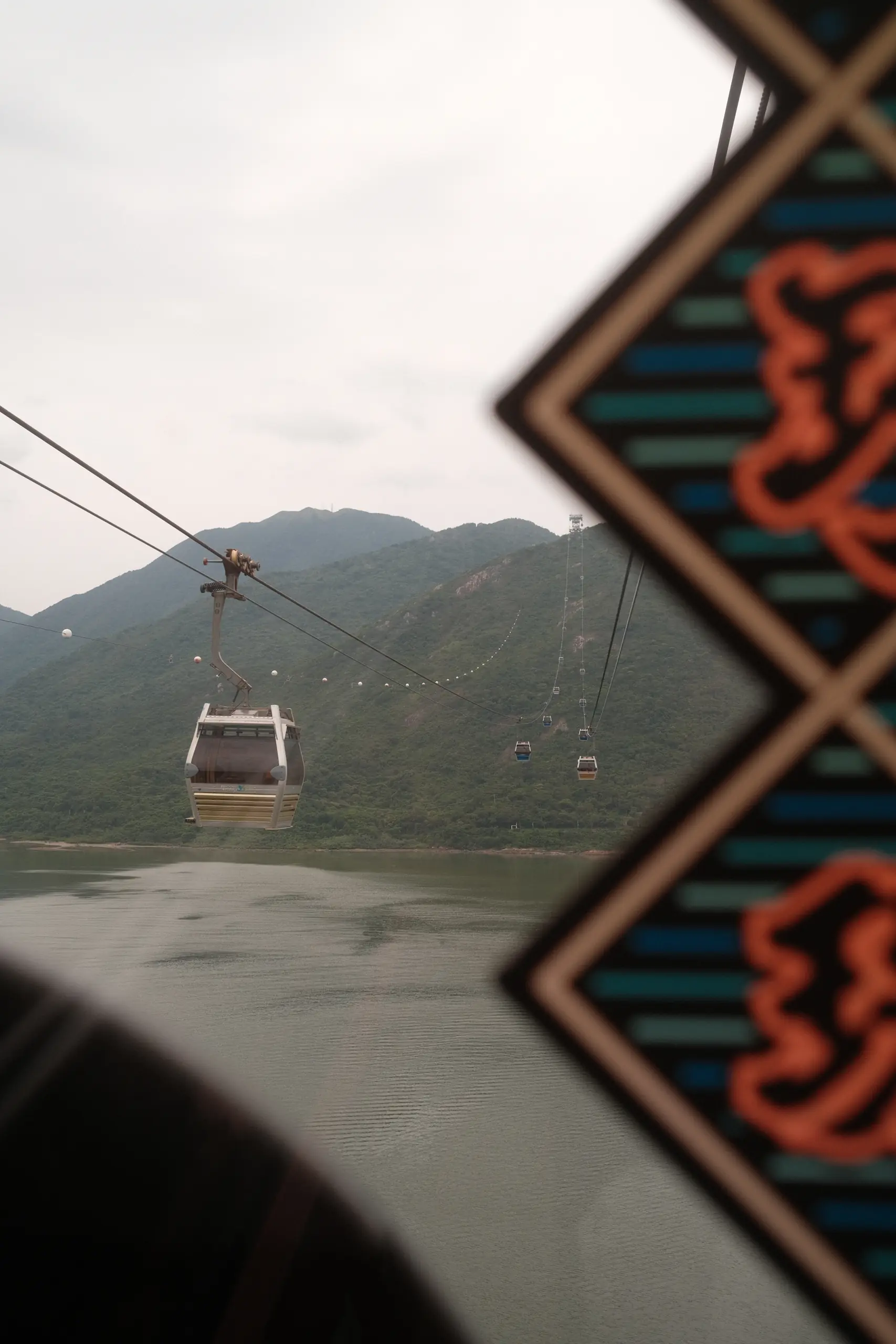
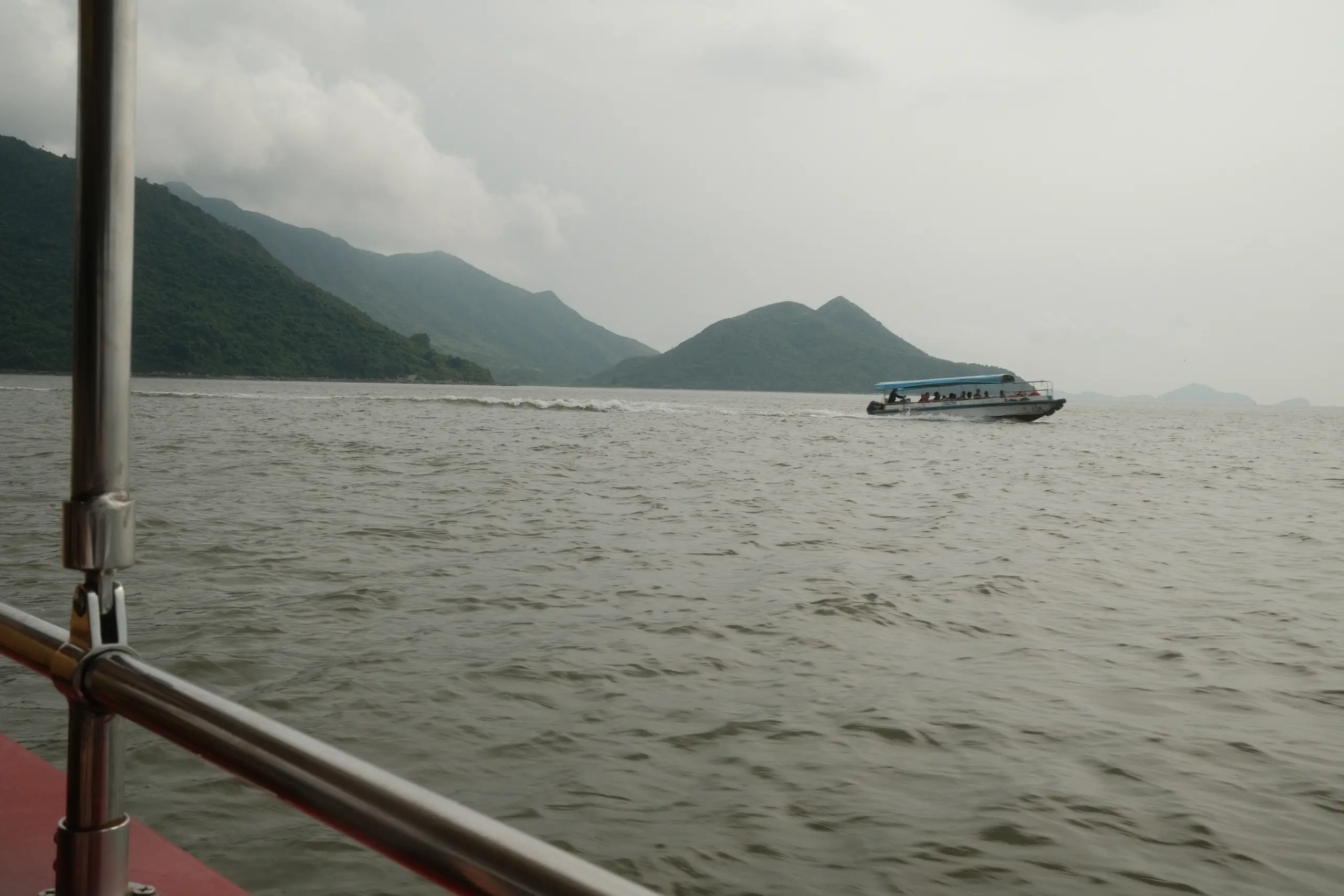
Lantau is the island next door to Hong Kong Island and feels nothing like it at all. Green hills, open water, and the first quiet we had heard in days. The cable car goes up to Ngong Ping and the Big Buddha, and we ate lunch at the monastery below it, a vegan meal in a very calm place.
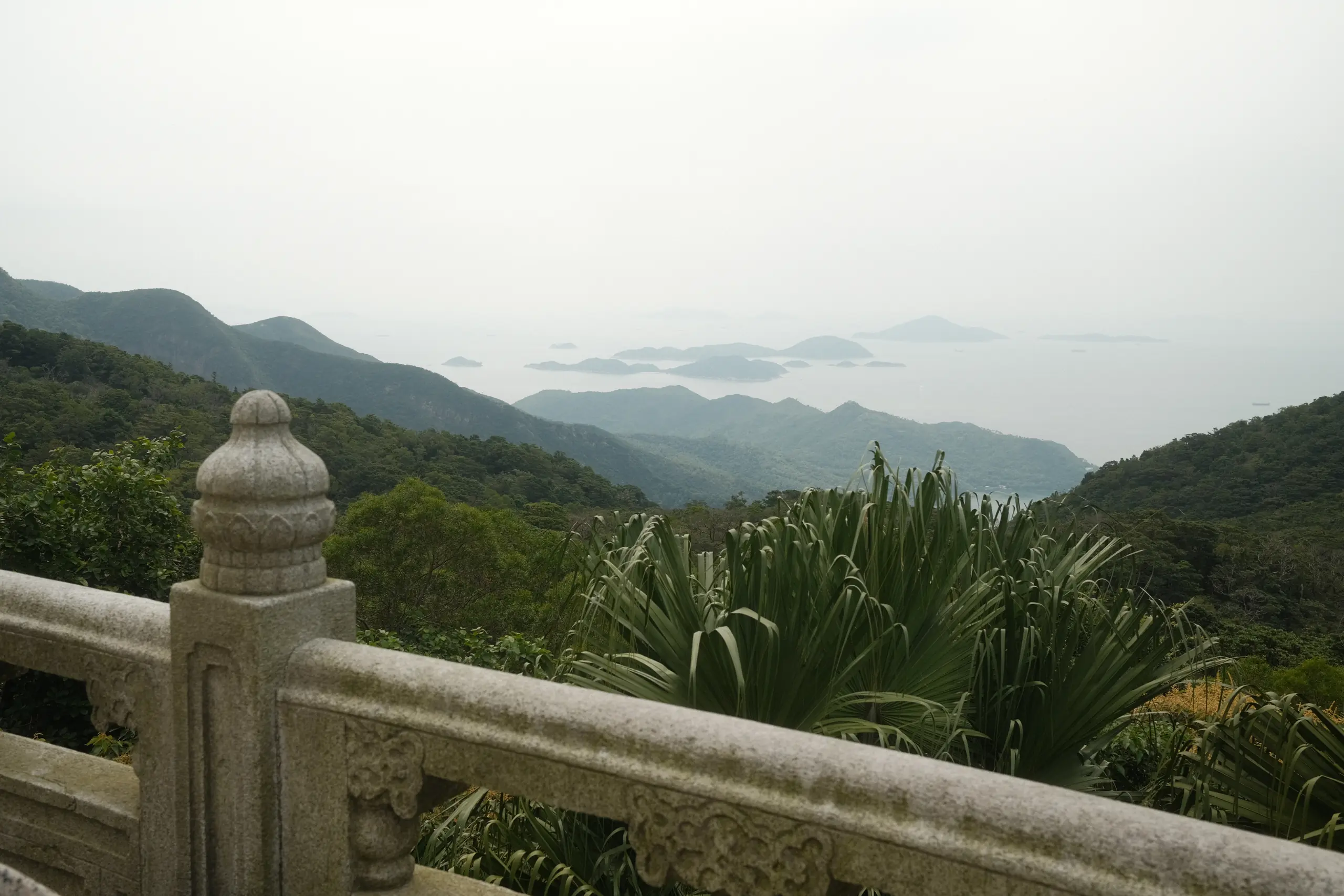
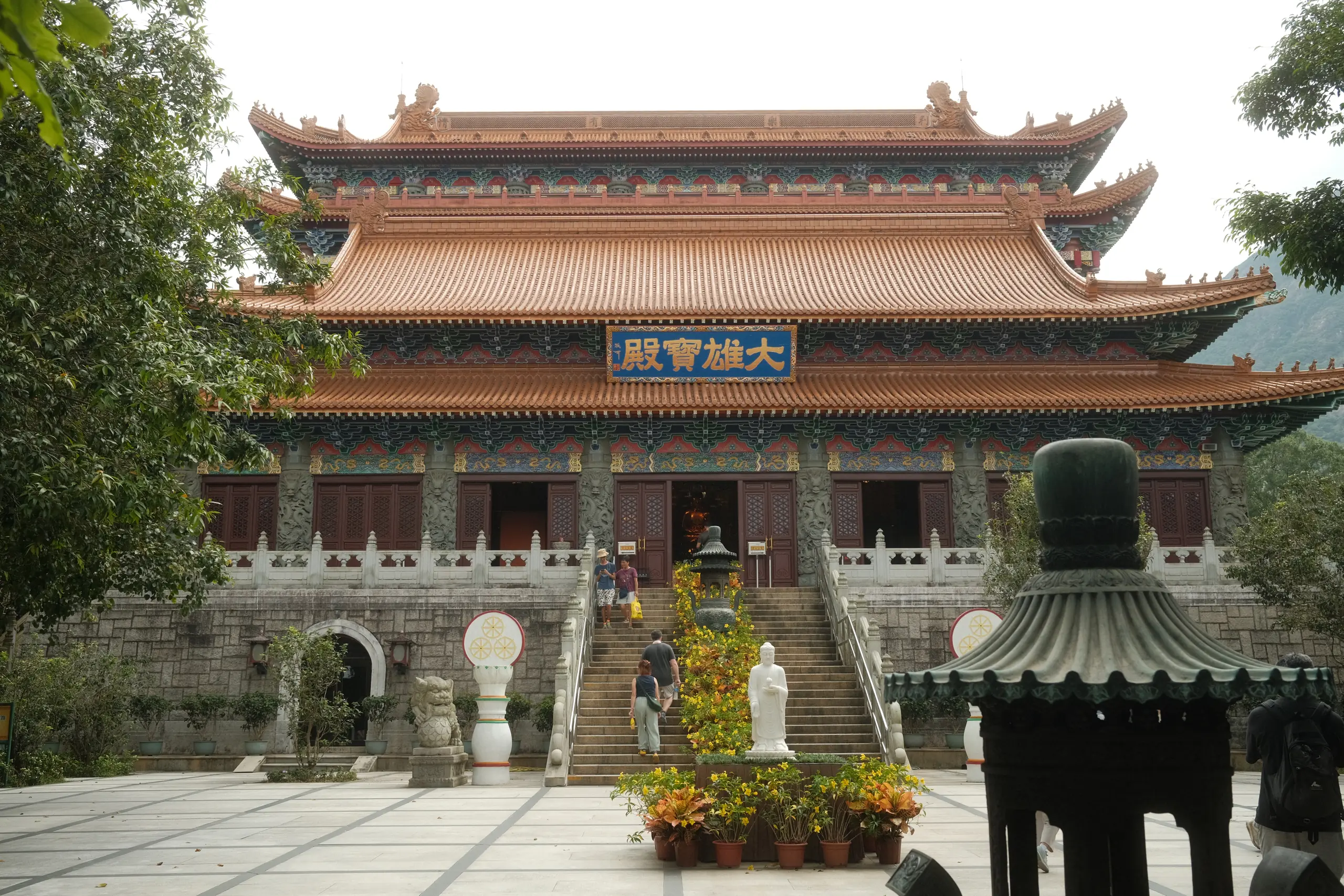
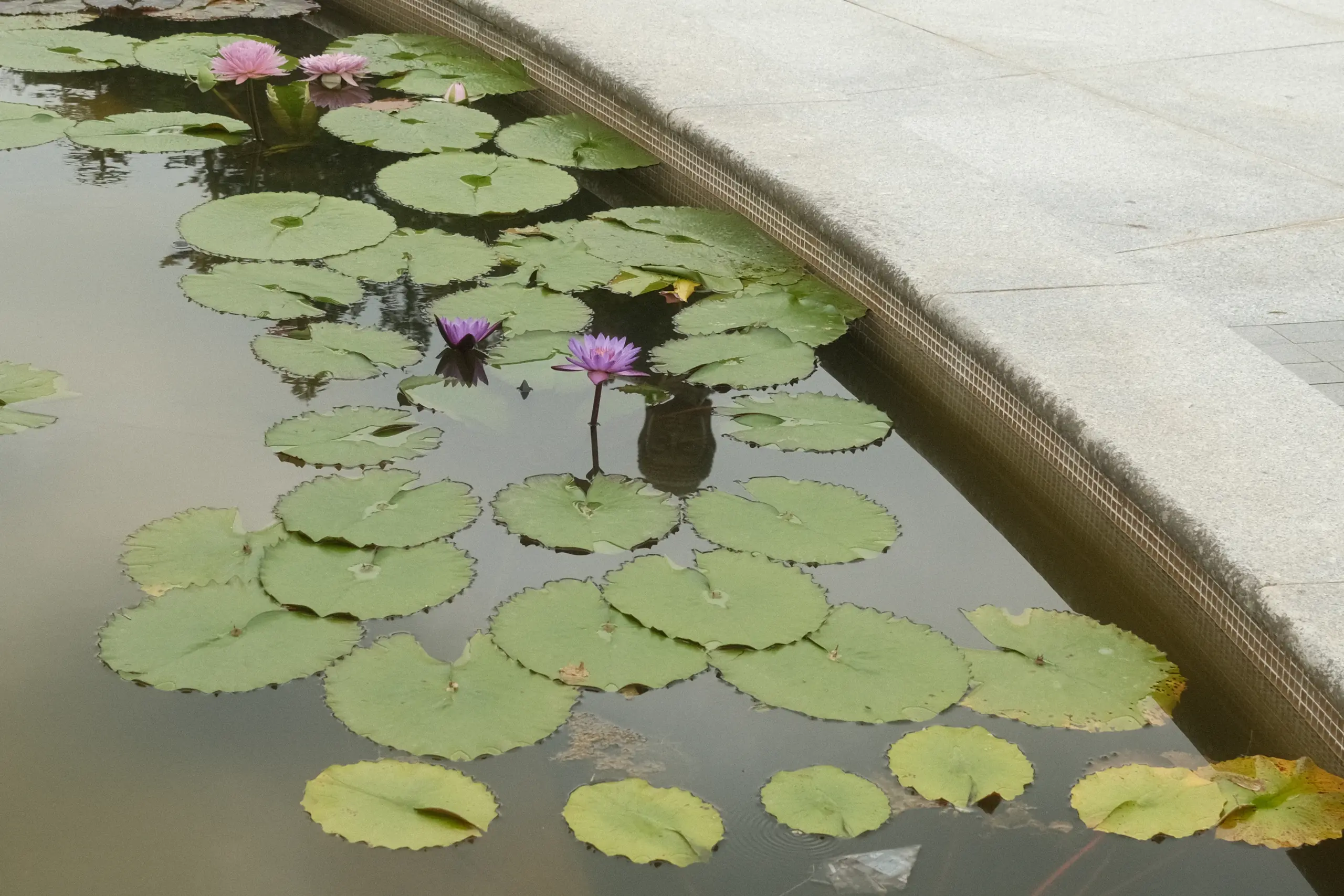
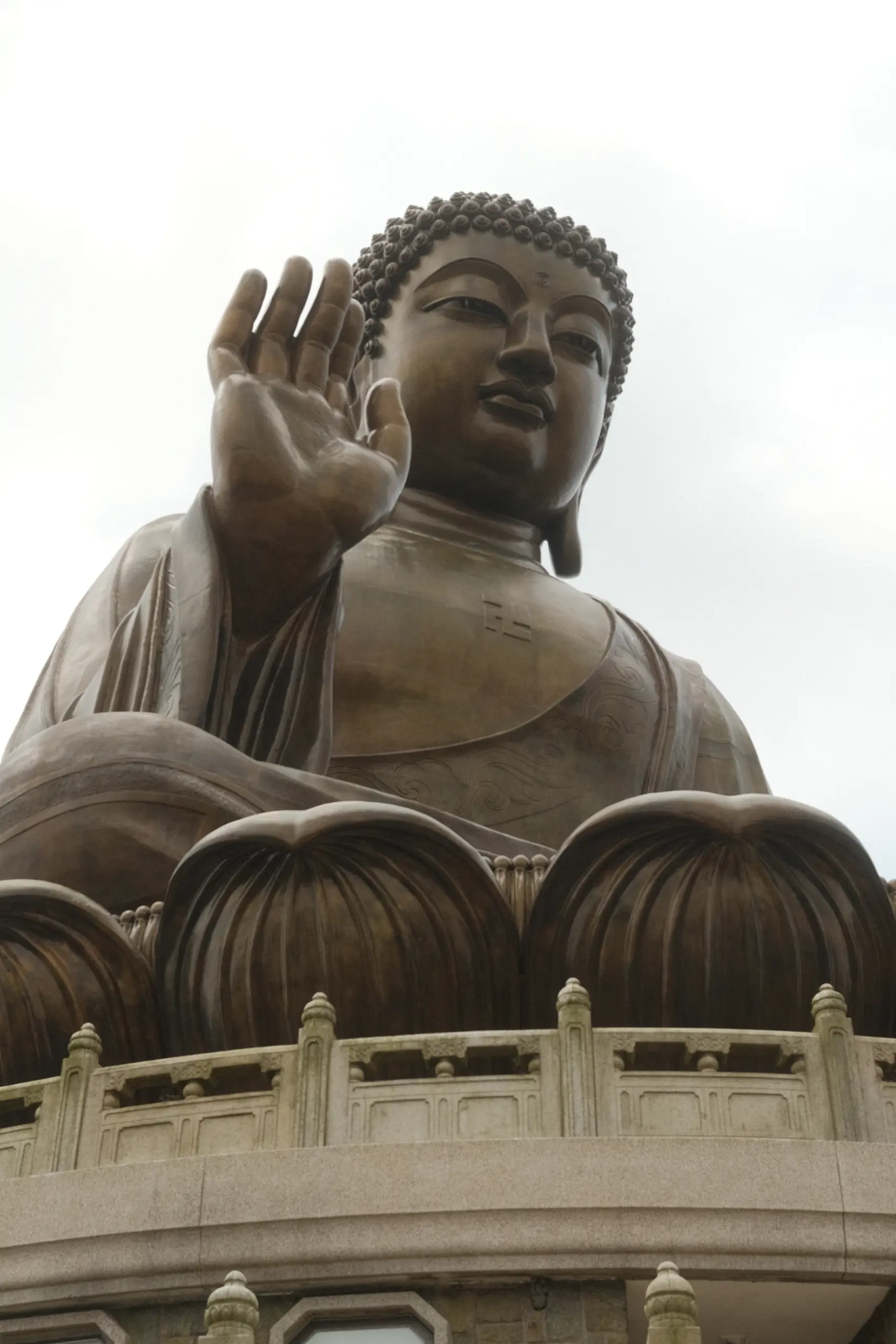
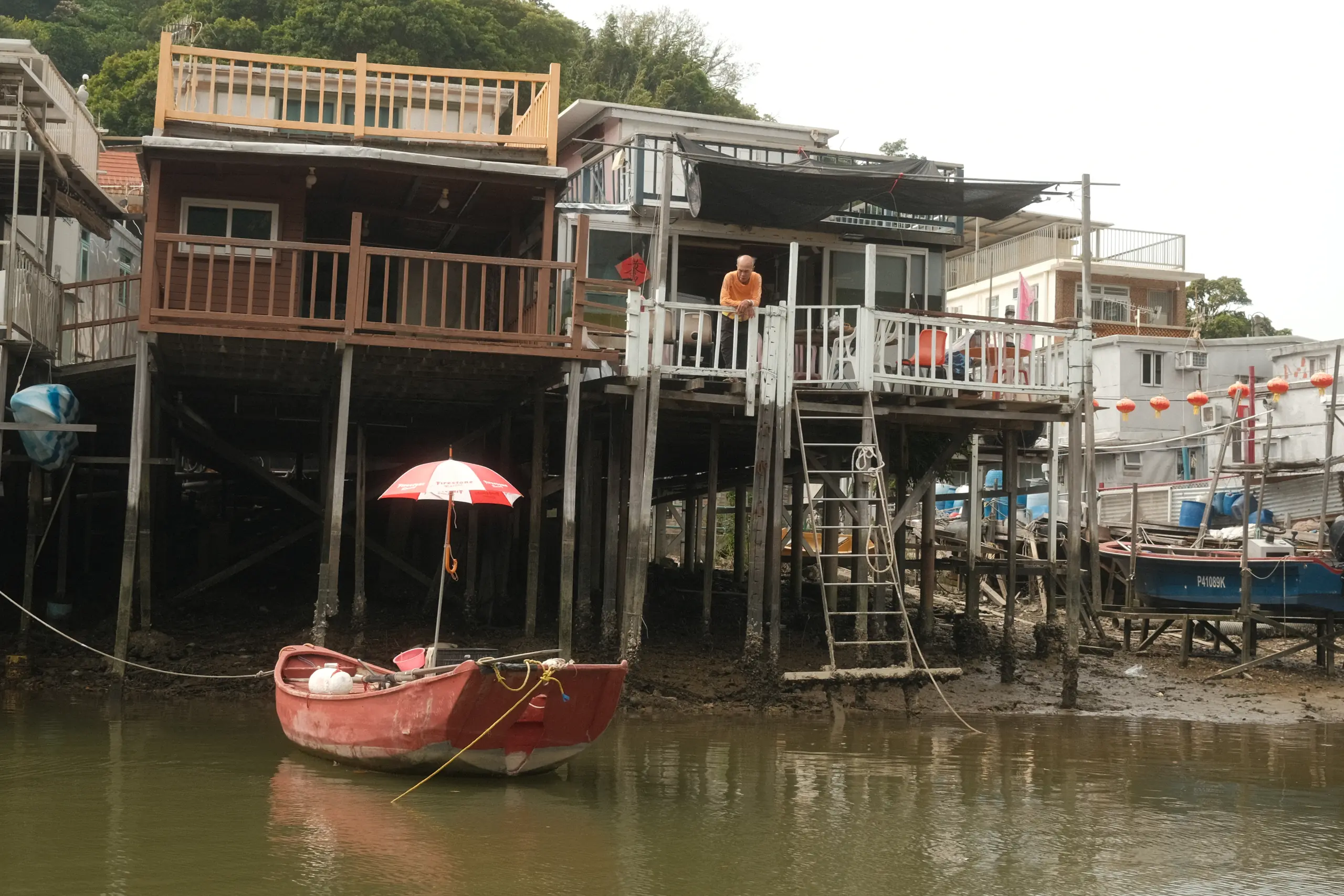
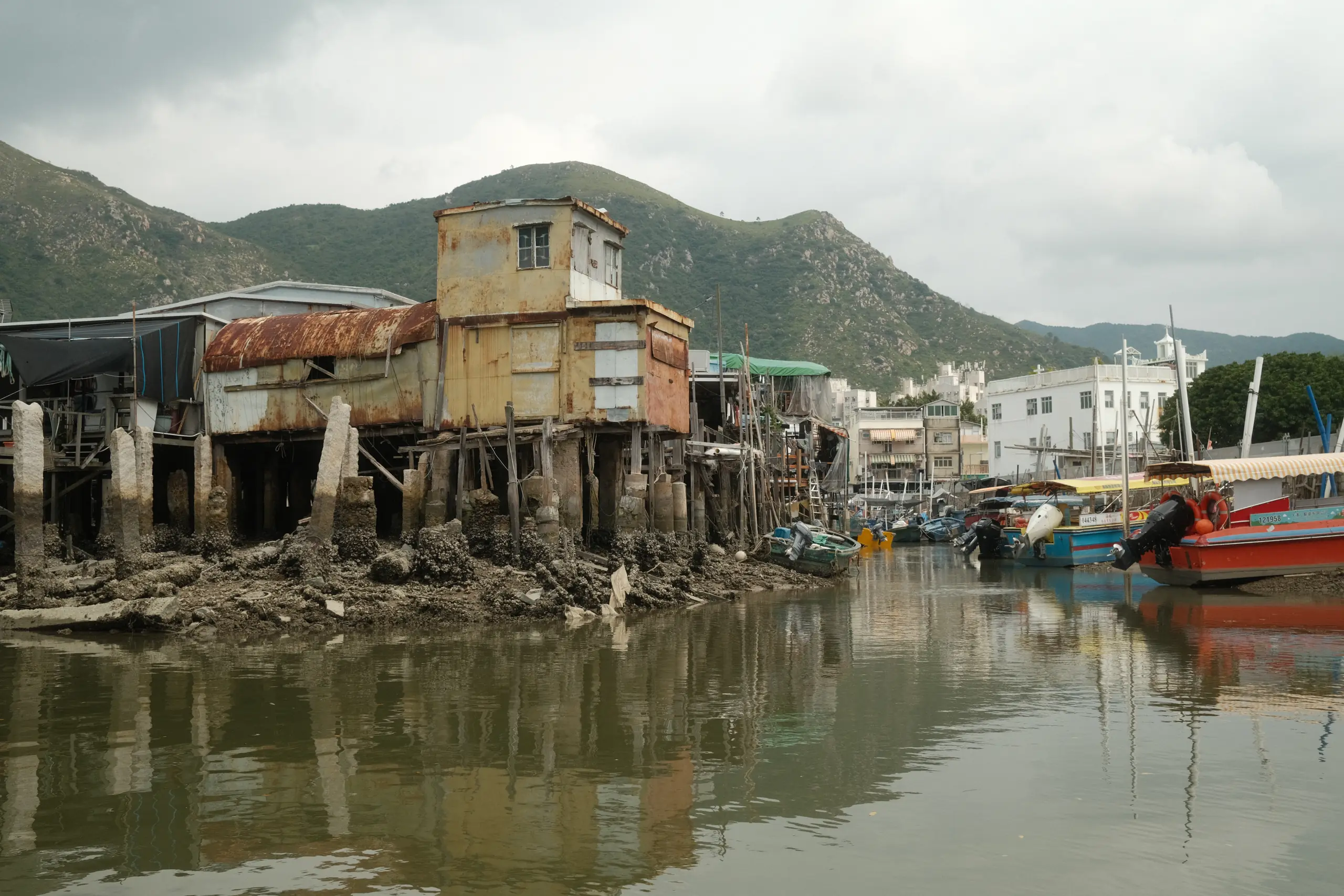
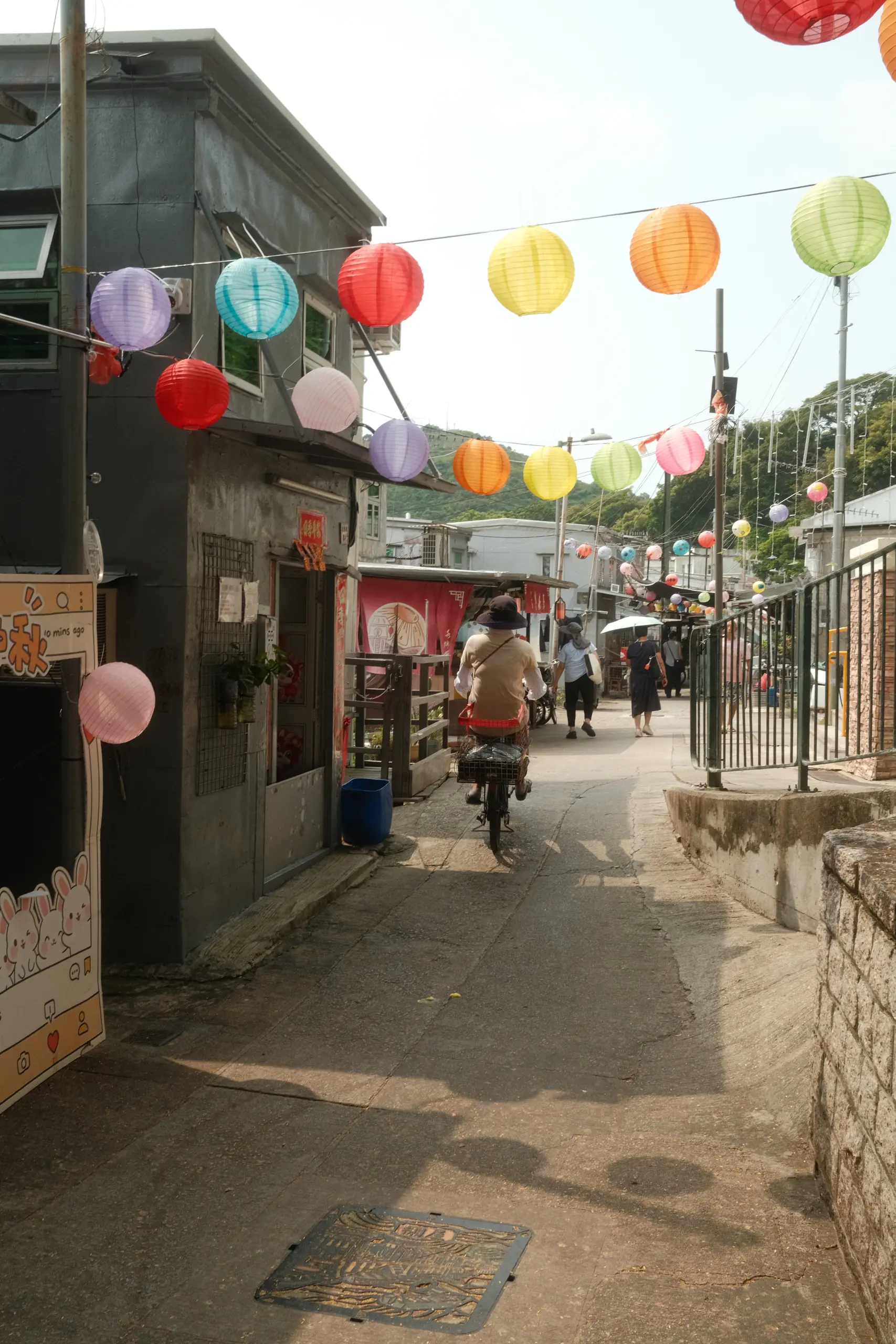
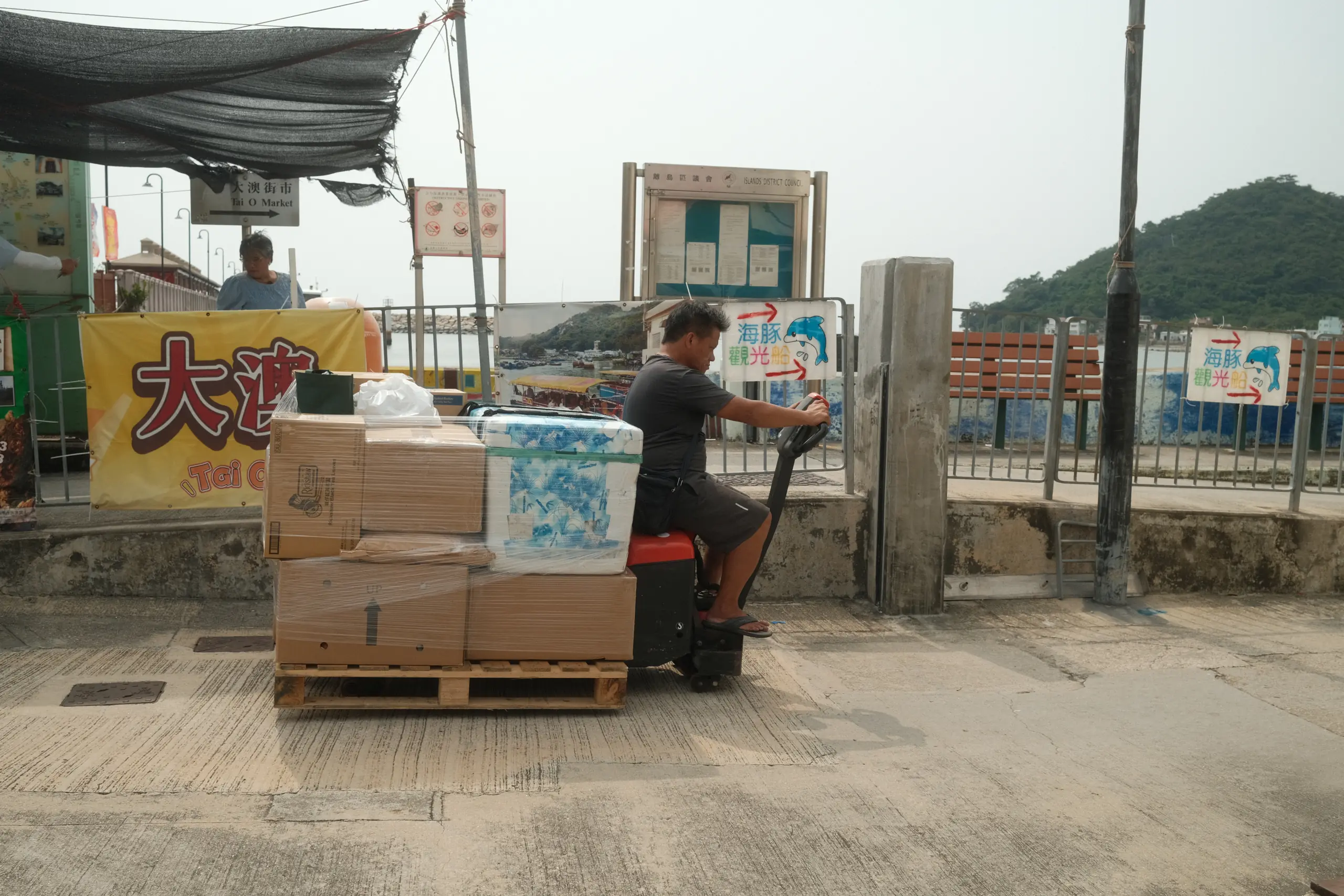
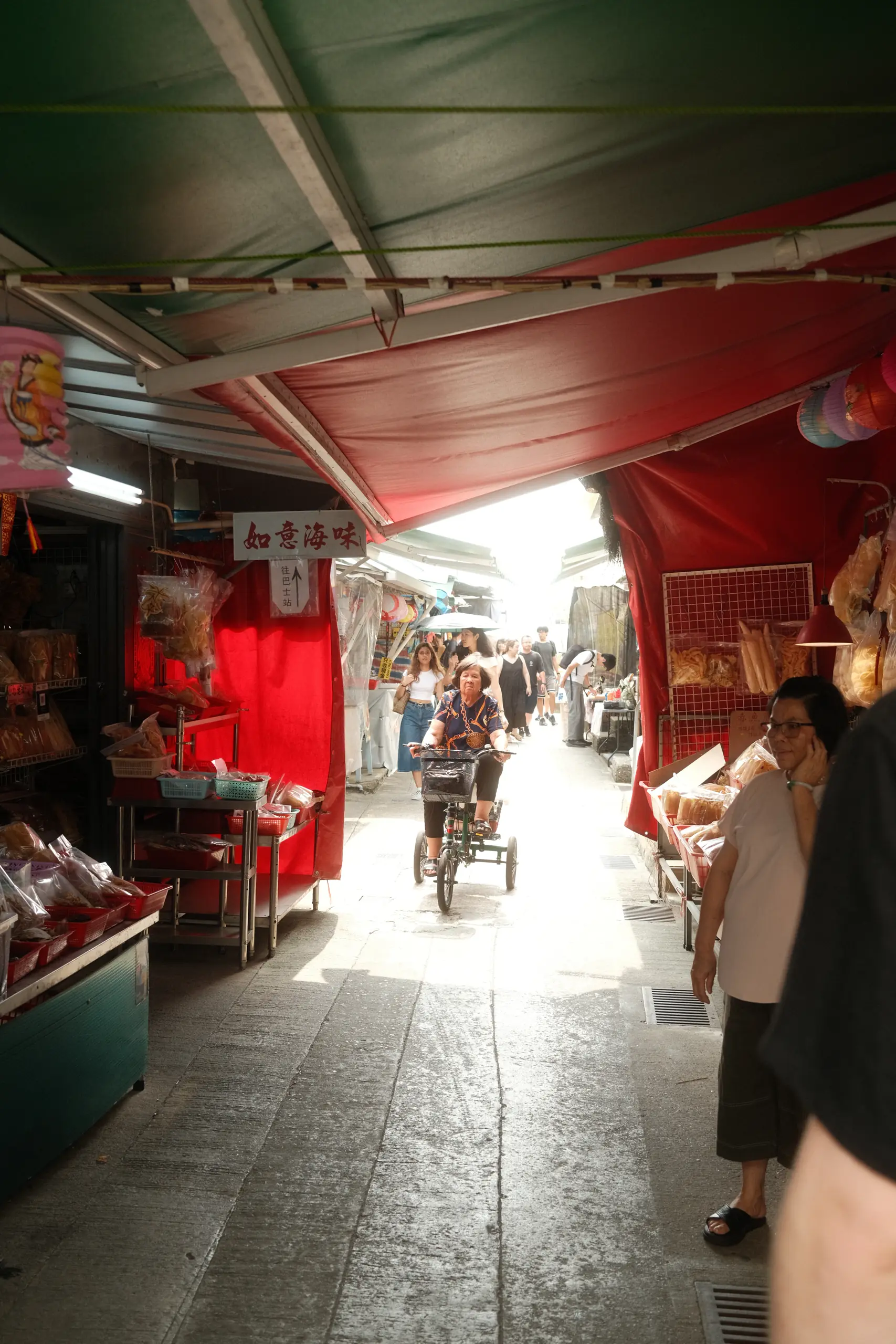
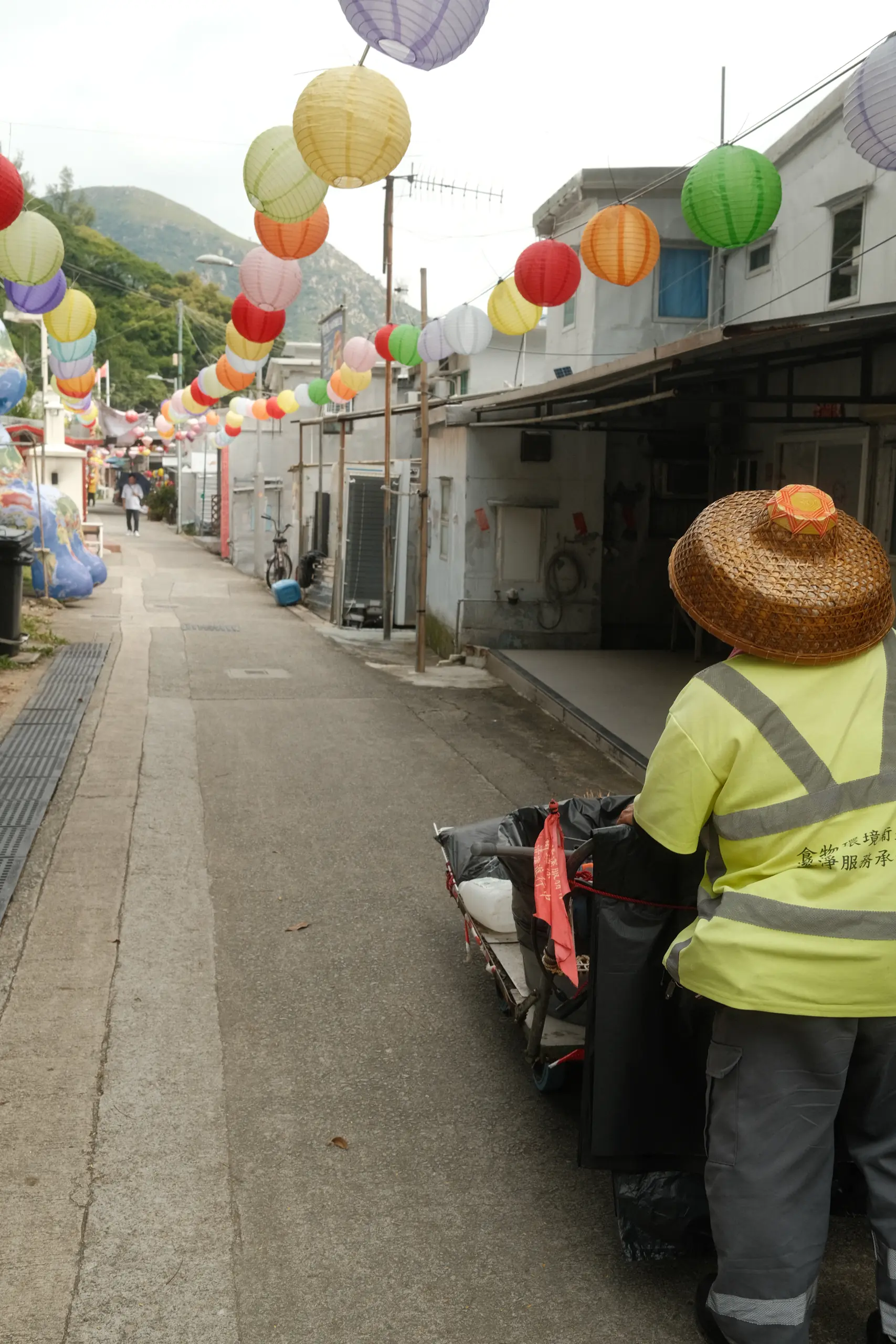
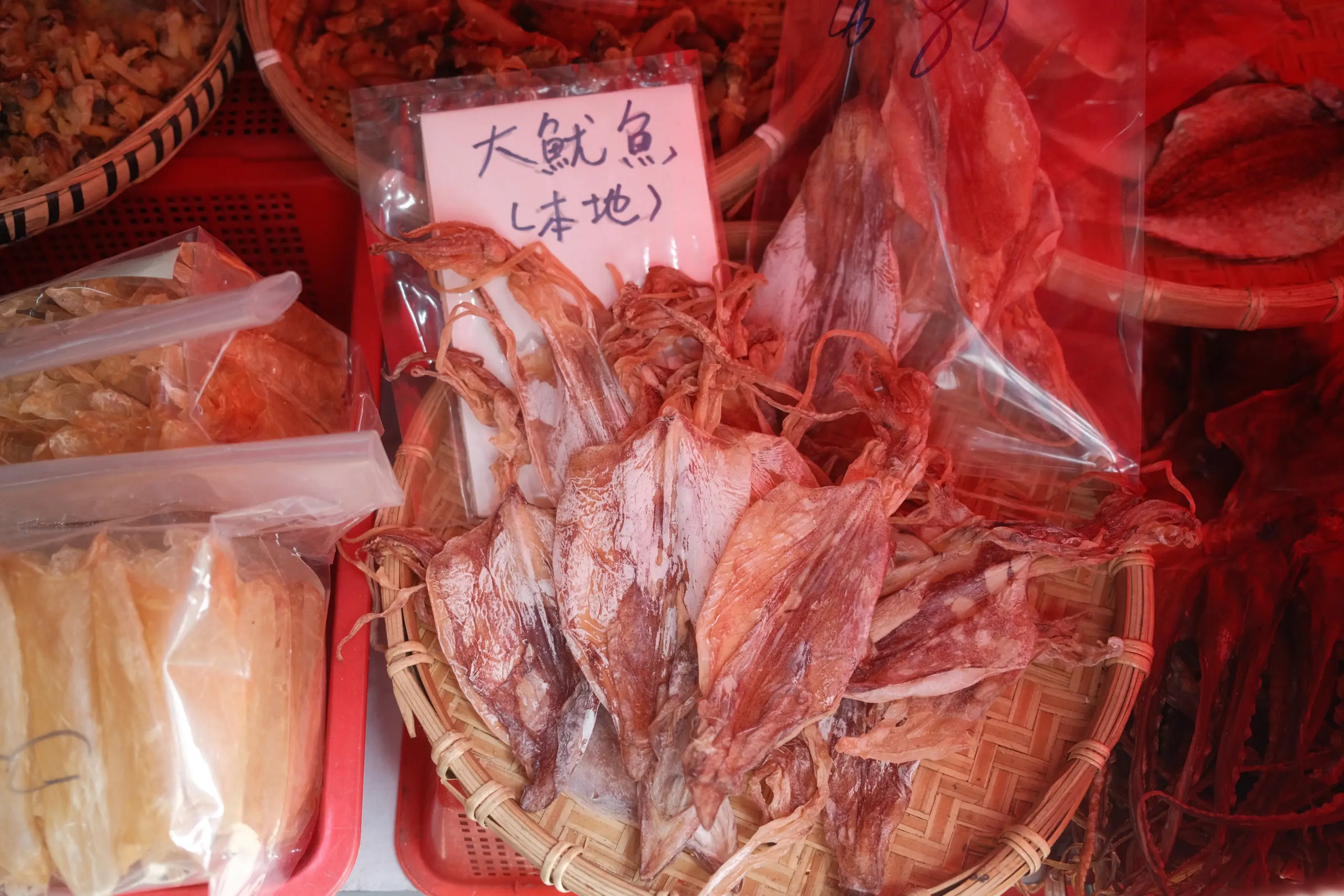
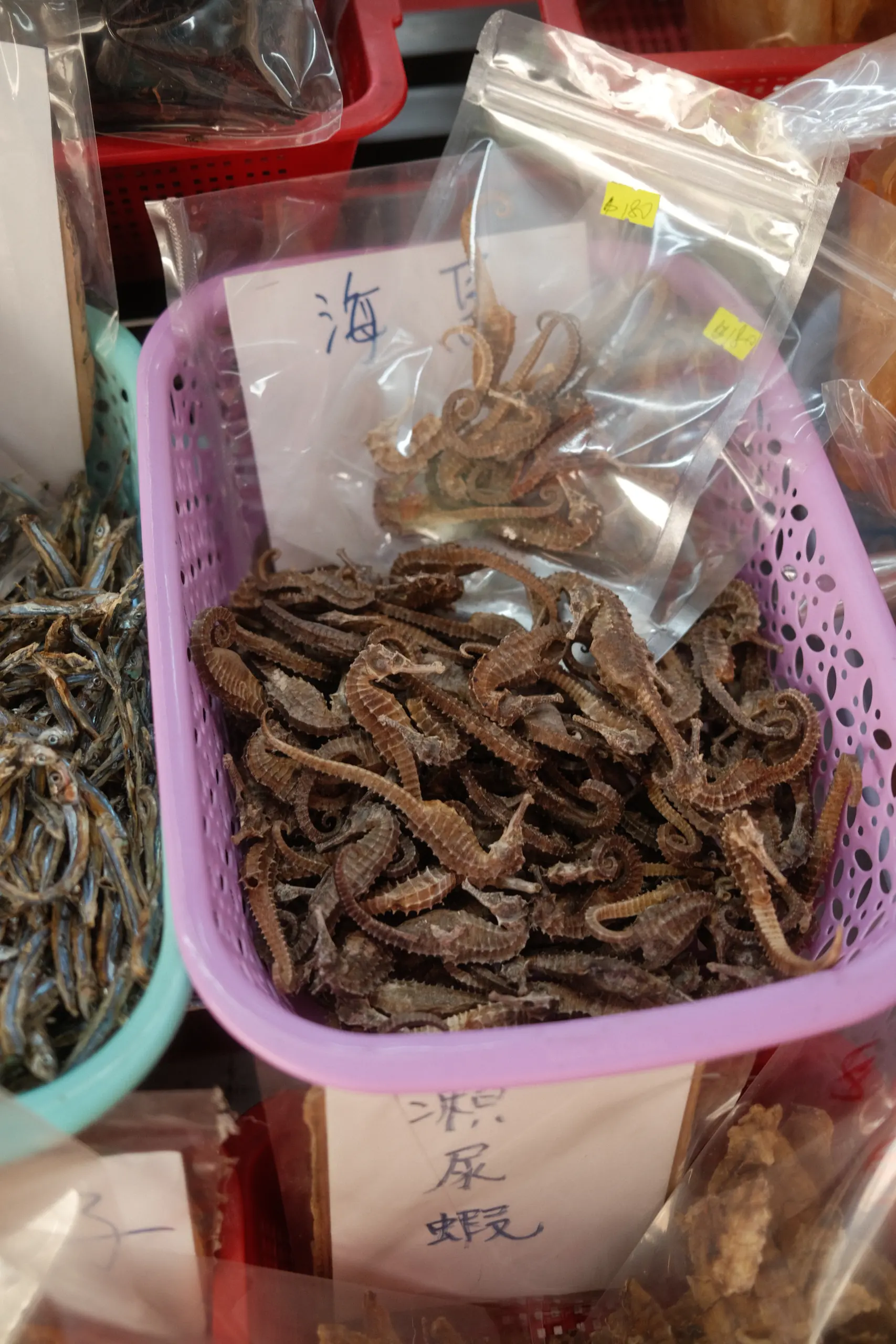
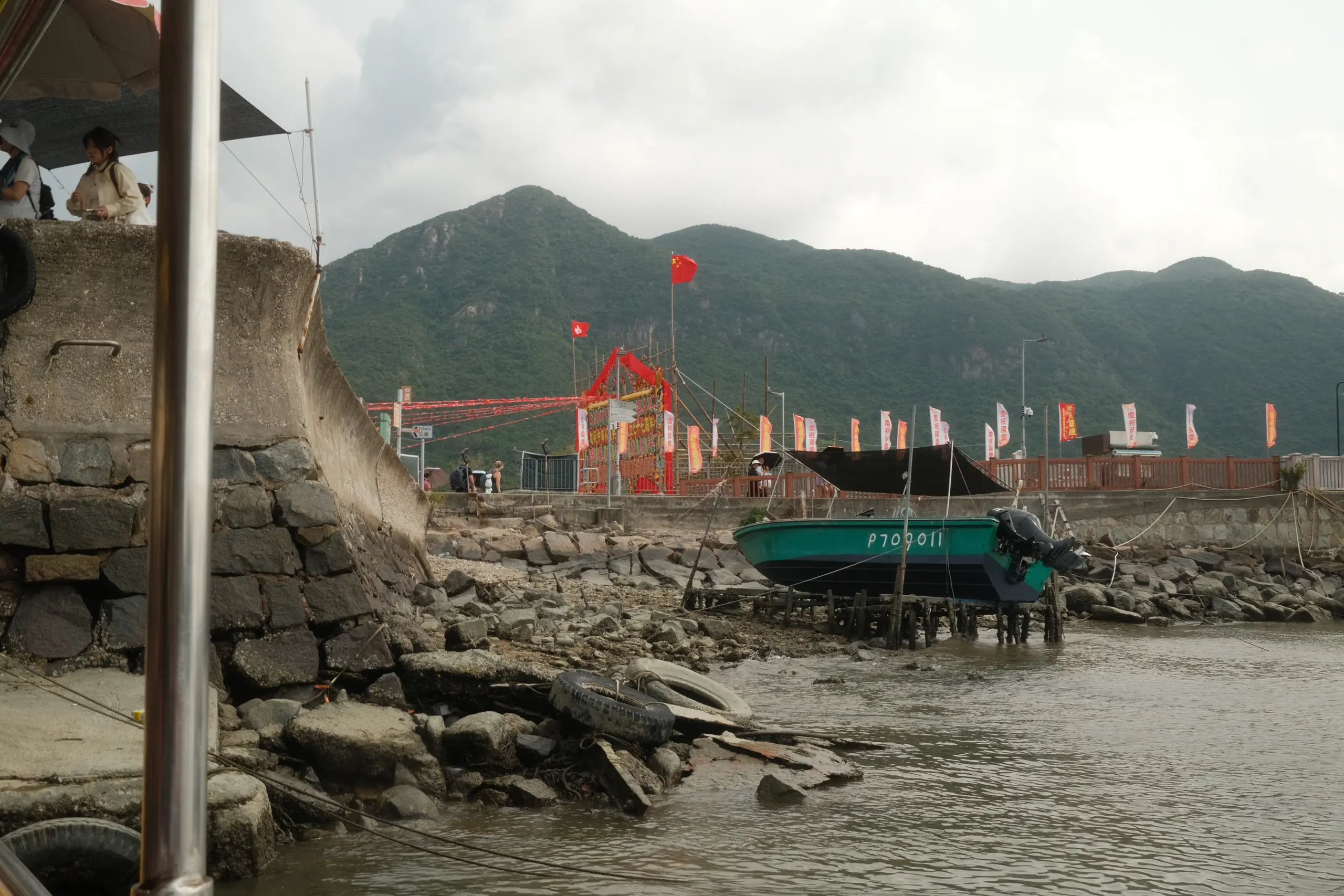
From there a bus took us down to Tai O, a small fishing village built on stilts over the water, about as far from Central as you can get in Hong Kong.
Shenzhen
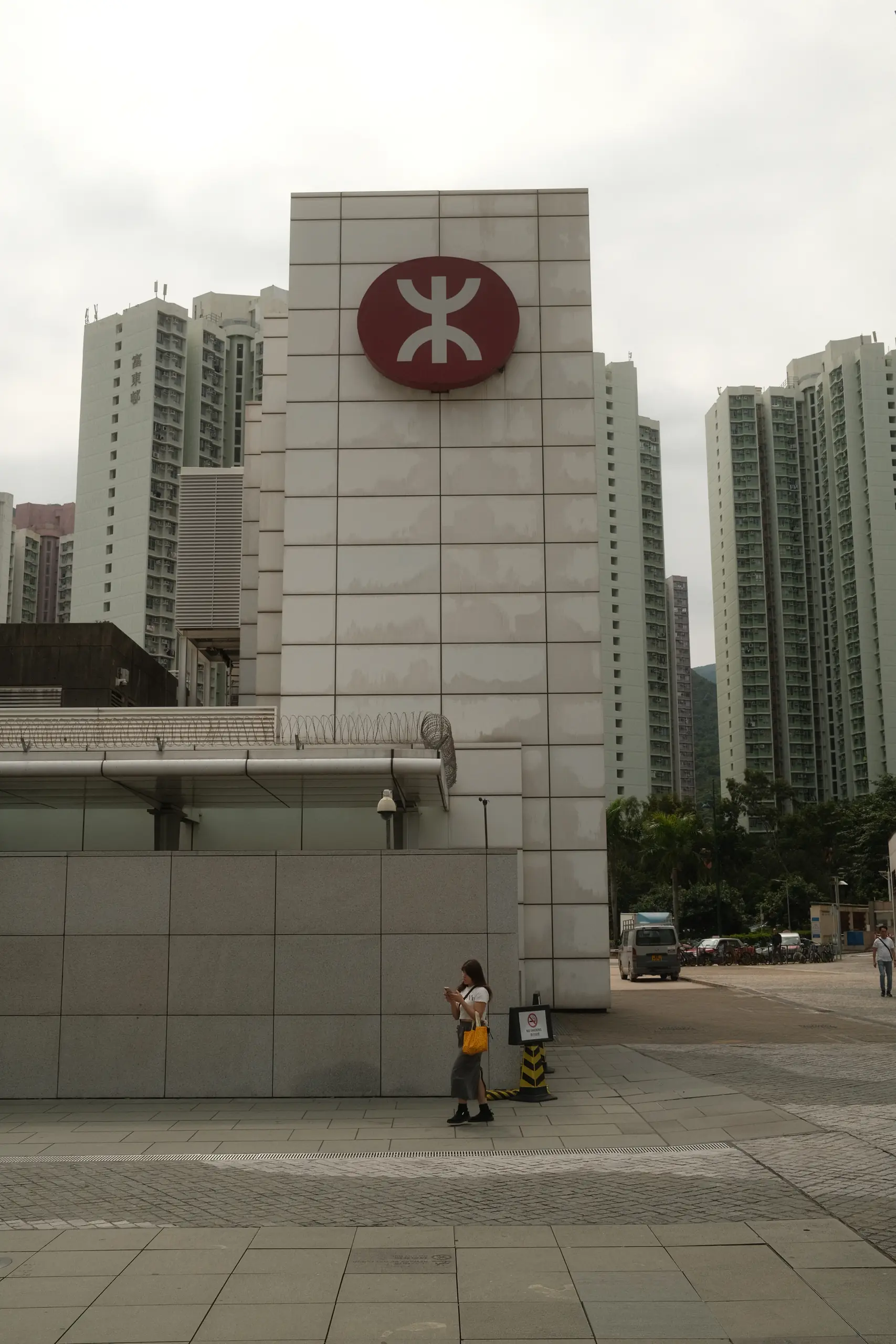
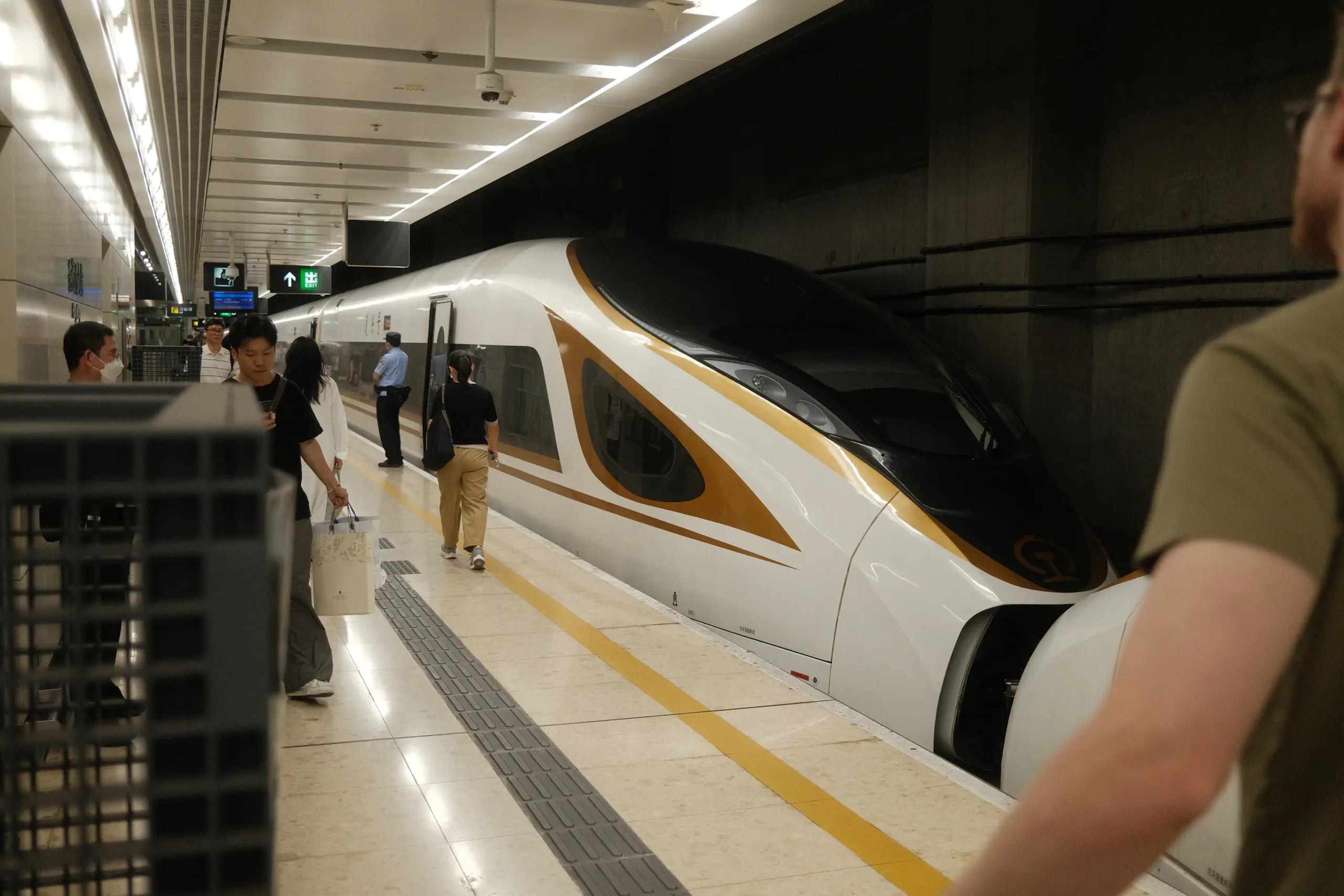
You leave Hong Kong before you leave the station. Immigration for the mainland happens at West Kowloon, at a line on the floor with a Hong Kong officer on one side and a mainland Chinese one on the other, and it feels every bit like an international border. Fifteen minutes on the high-speed train later we were in Futian, in the middle of Shenzhen.
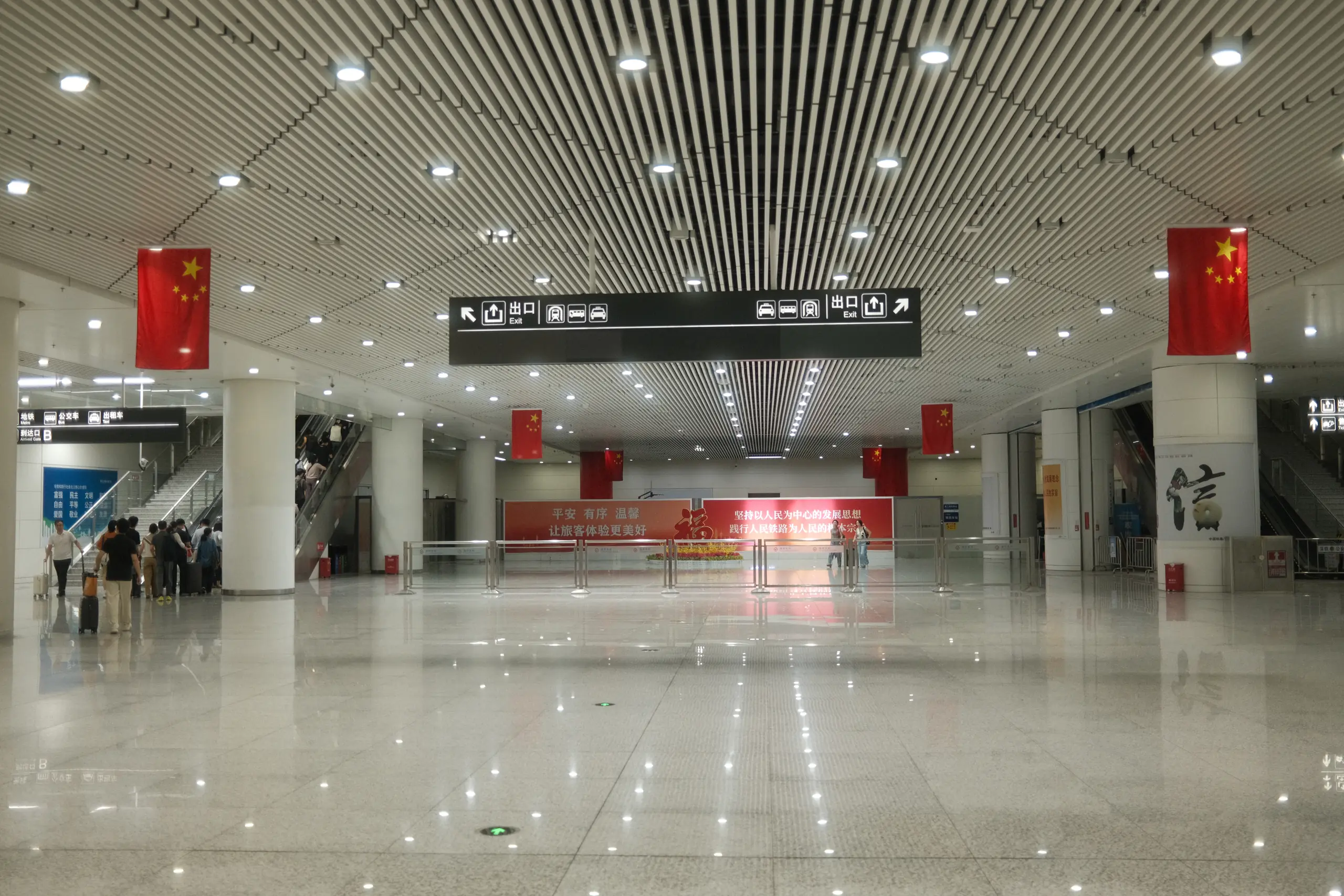
Nothing carries over from Hong Kong, least of all your phone. Google Maps is too inaccurate to be useful, and the same goes for most of the usual apps, so we switched to the Chinese ones, Amap for maps and Didi instead of Uber, and got by with a bit of English and a translation app.
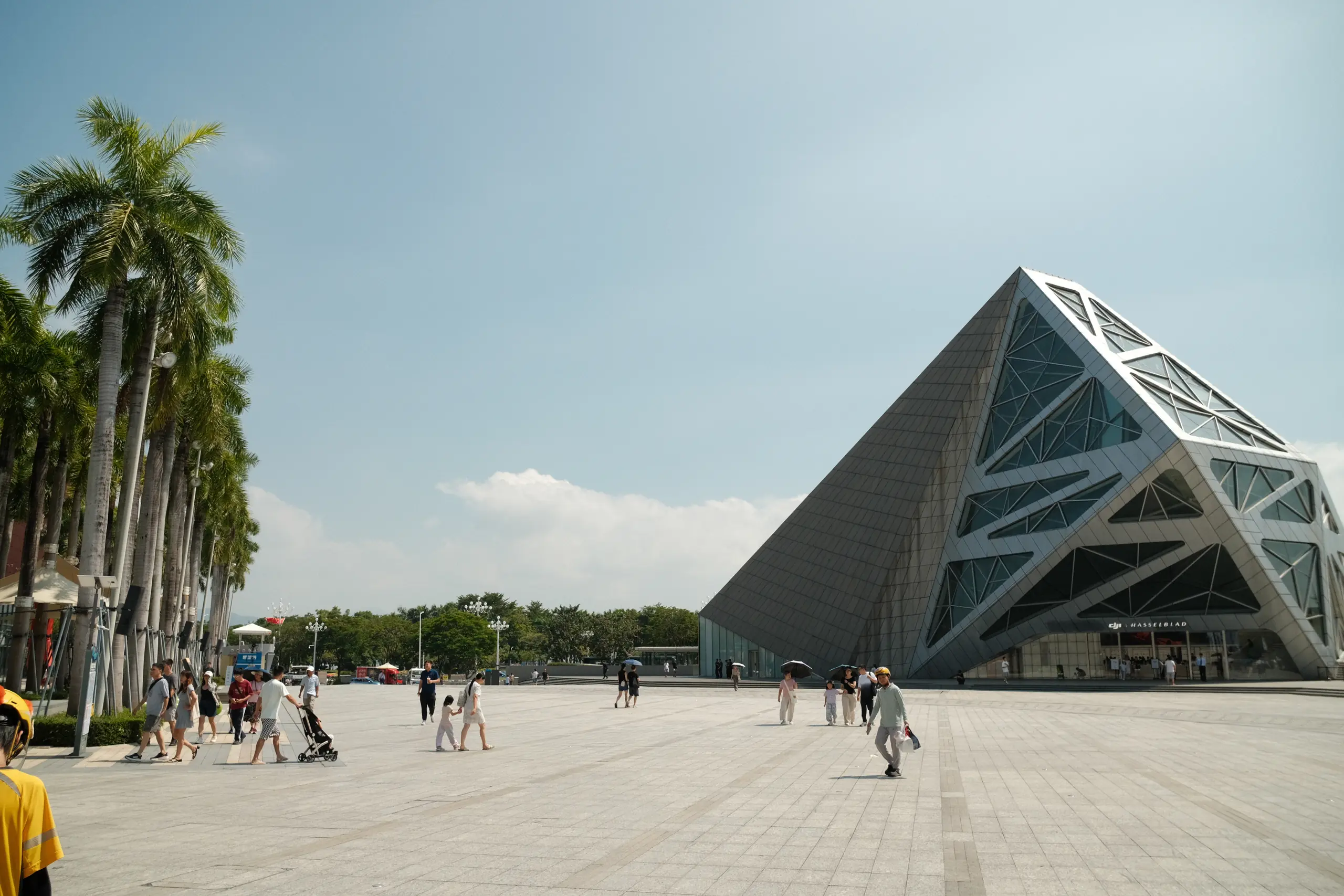
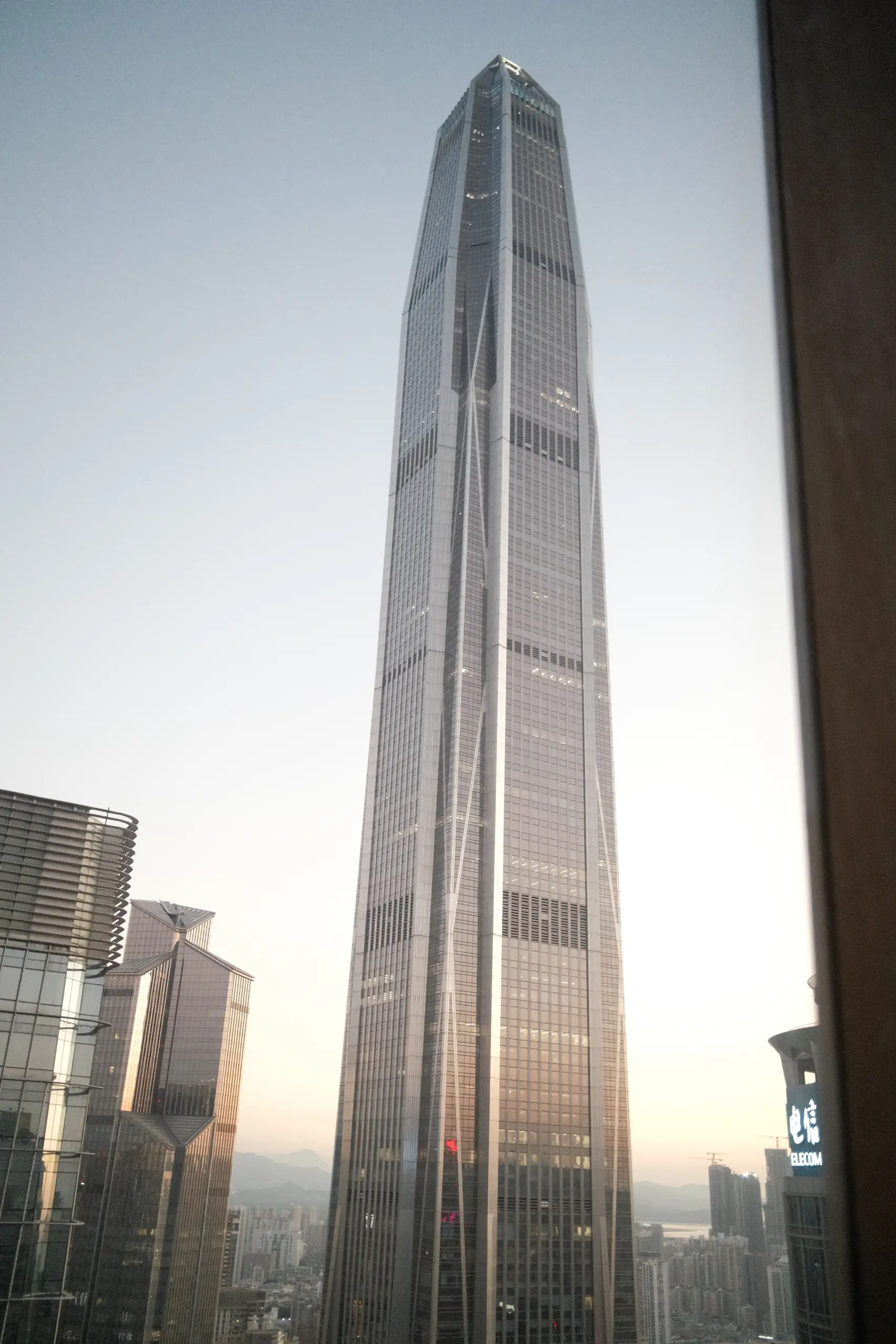
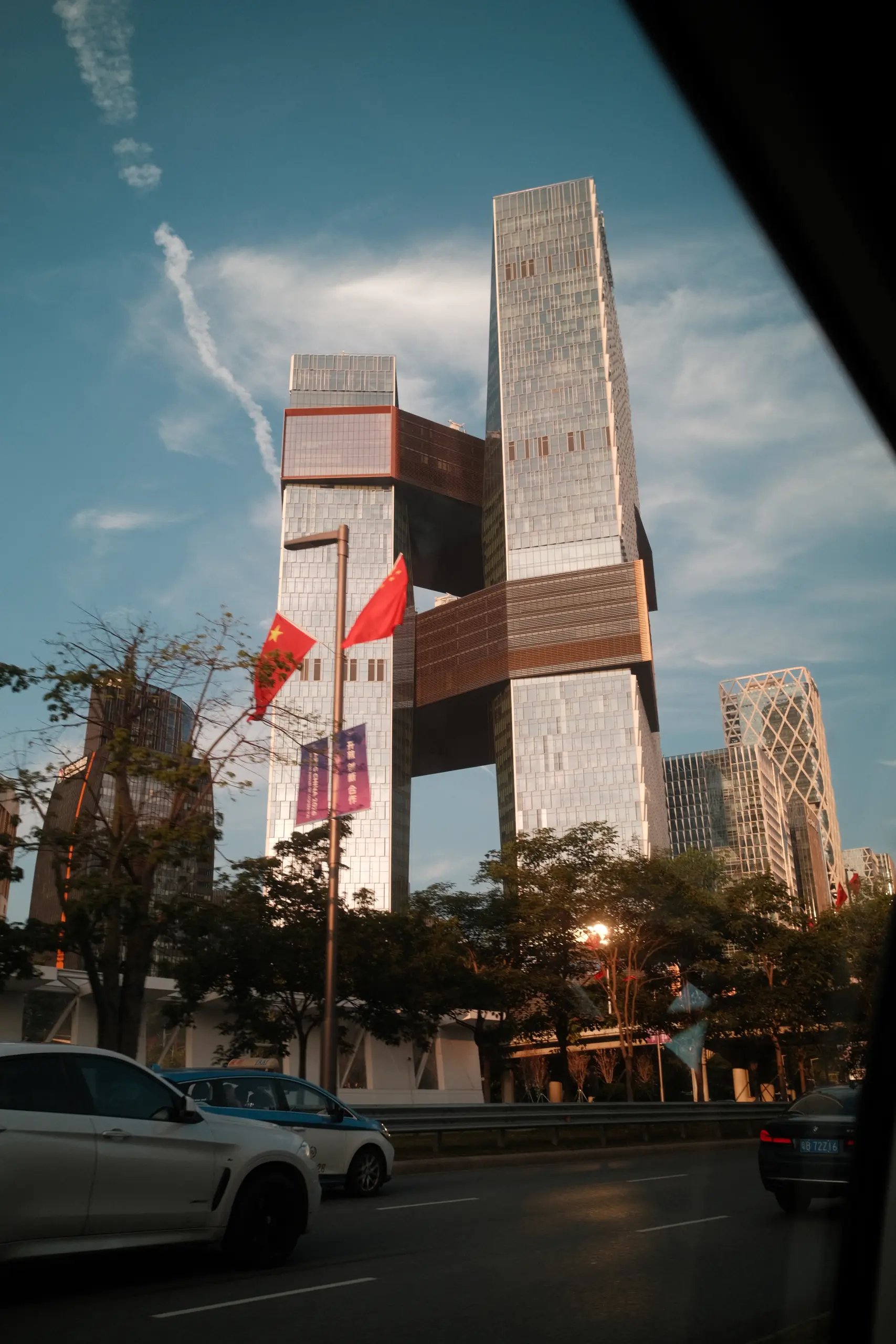
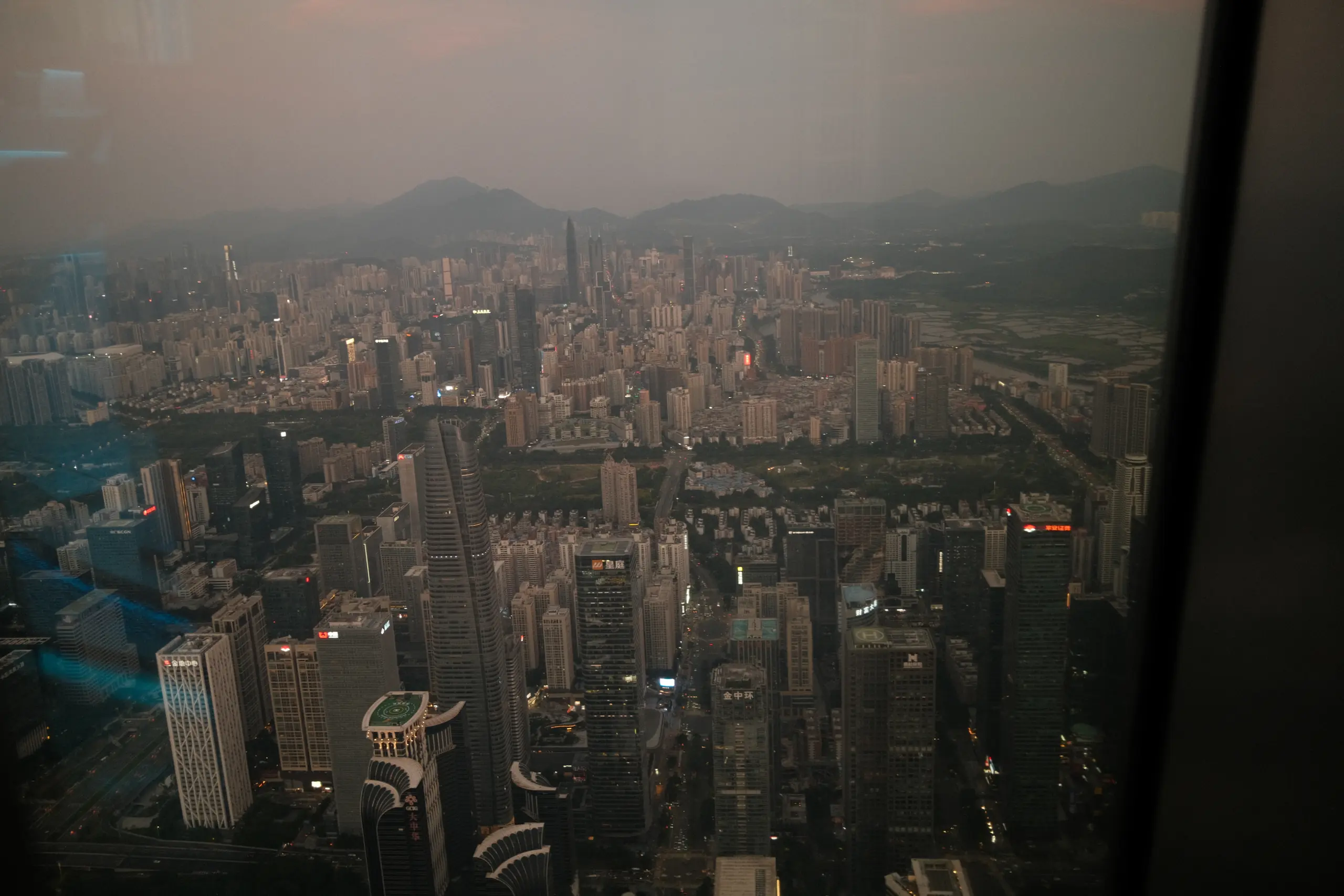
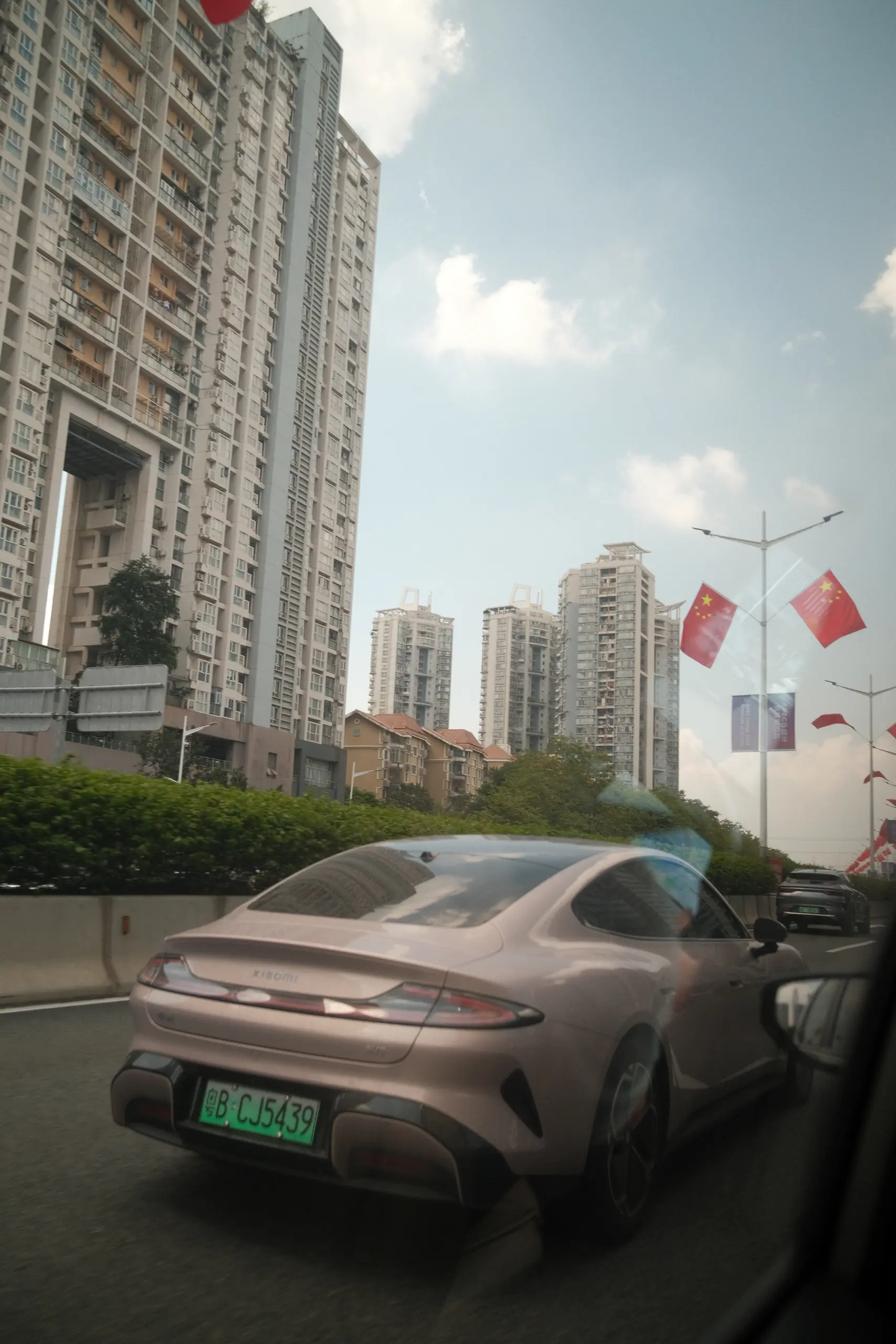
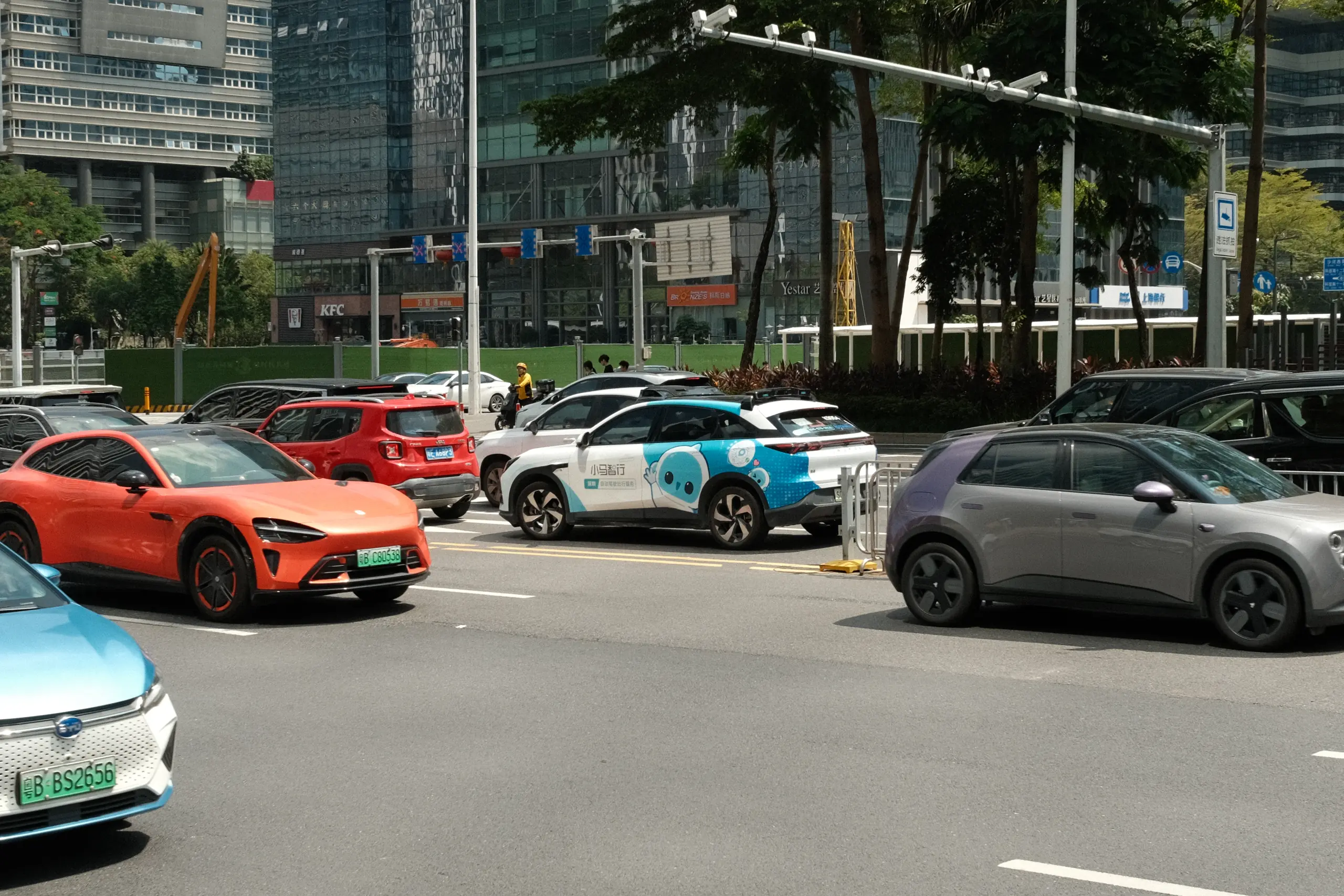
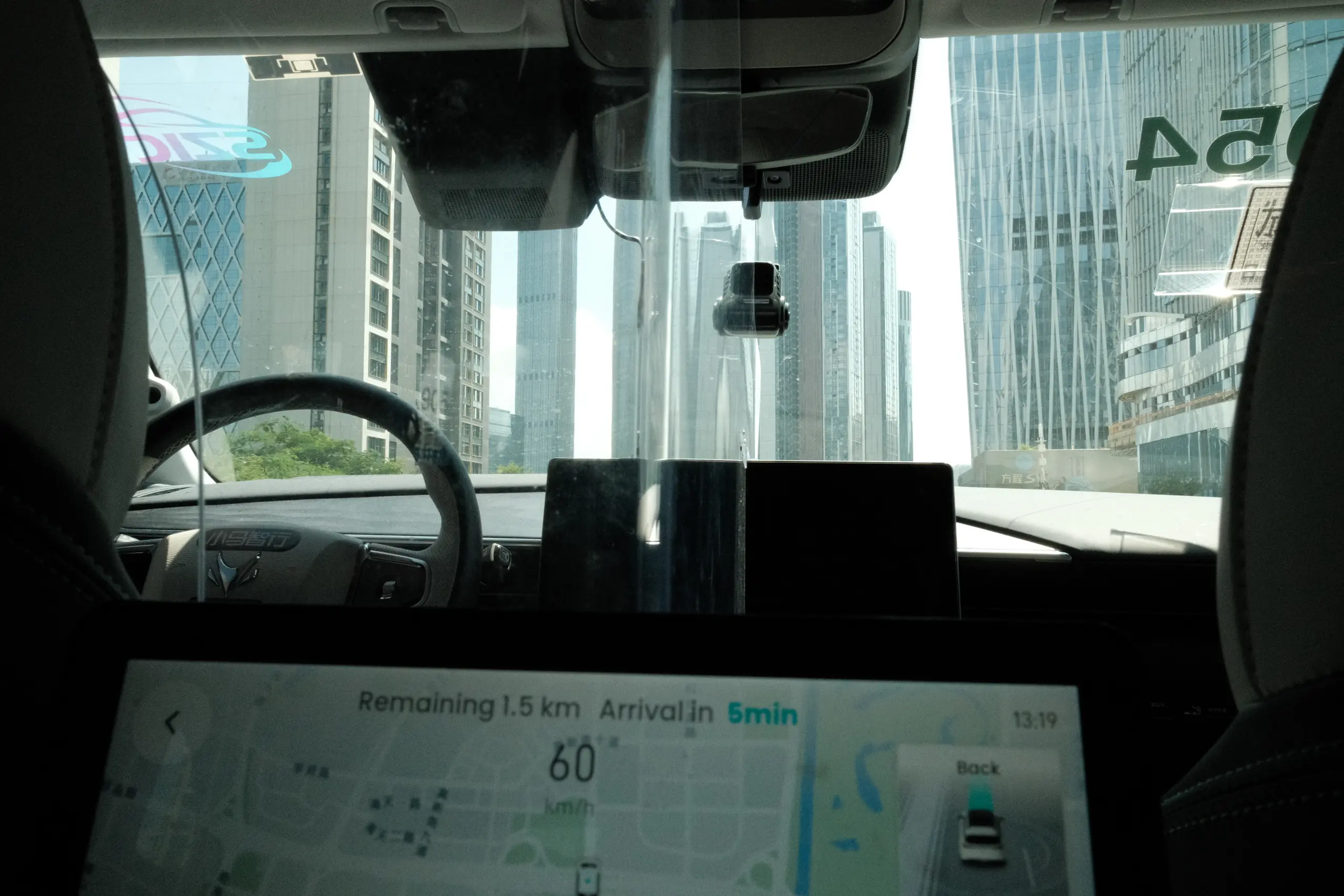
I had not expected how new and clean it all feels, as if the whole city of twenty million had been built ten years ago. Almost every car is electric, from brands I had never heard of, and people ride electric scooters everywhere. We took a Pony.ai robotaxi across town, with nobody in the driver's seat and a screen showing us the route and what the car sees. Even on the highway, boxed in by traffic at speed with an empty seat in front of you, it felt more exciting than strange. A glimpse of an amazing future.
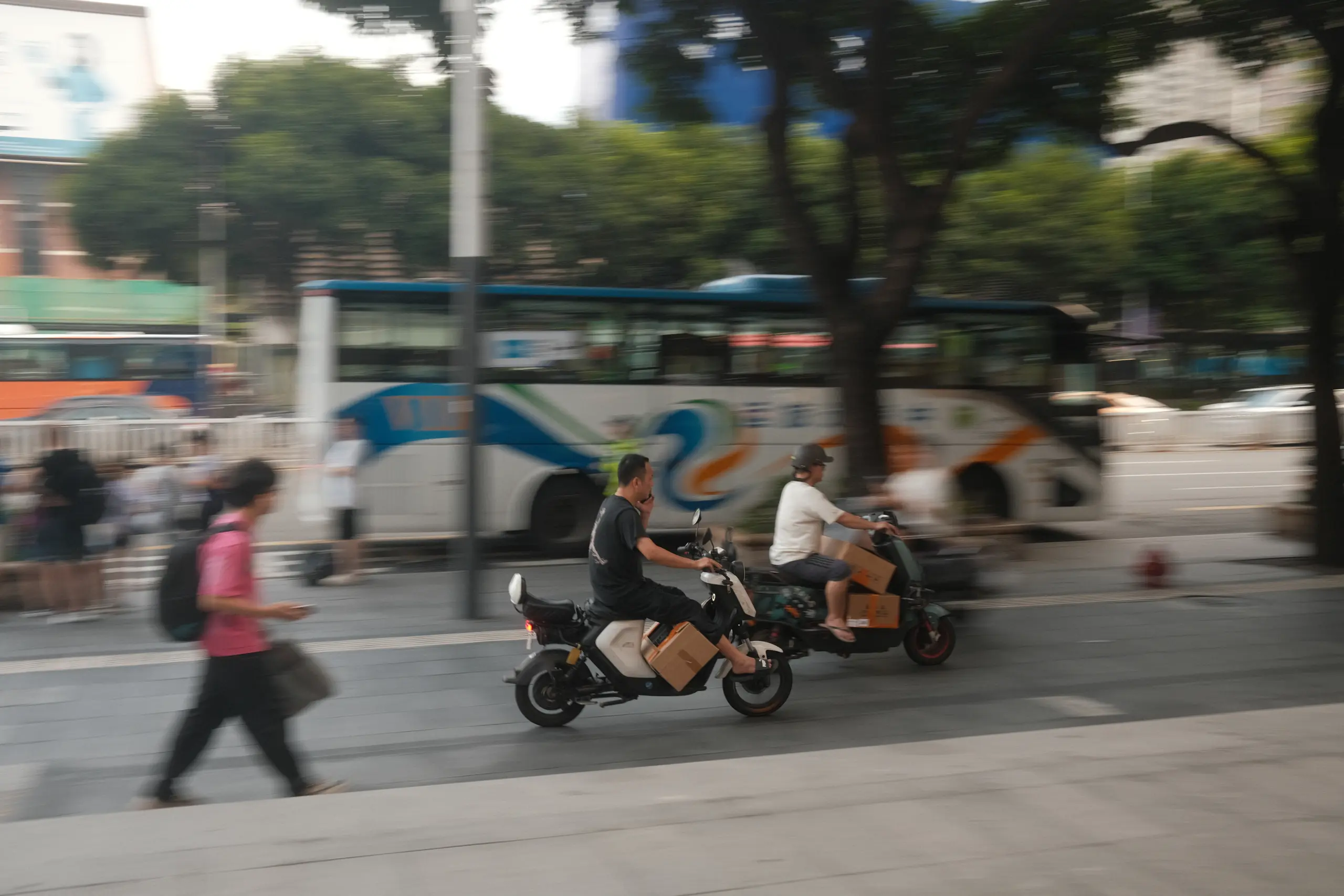
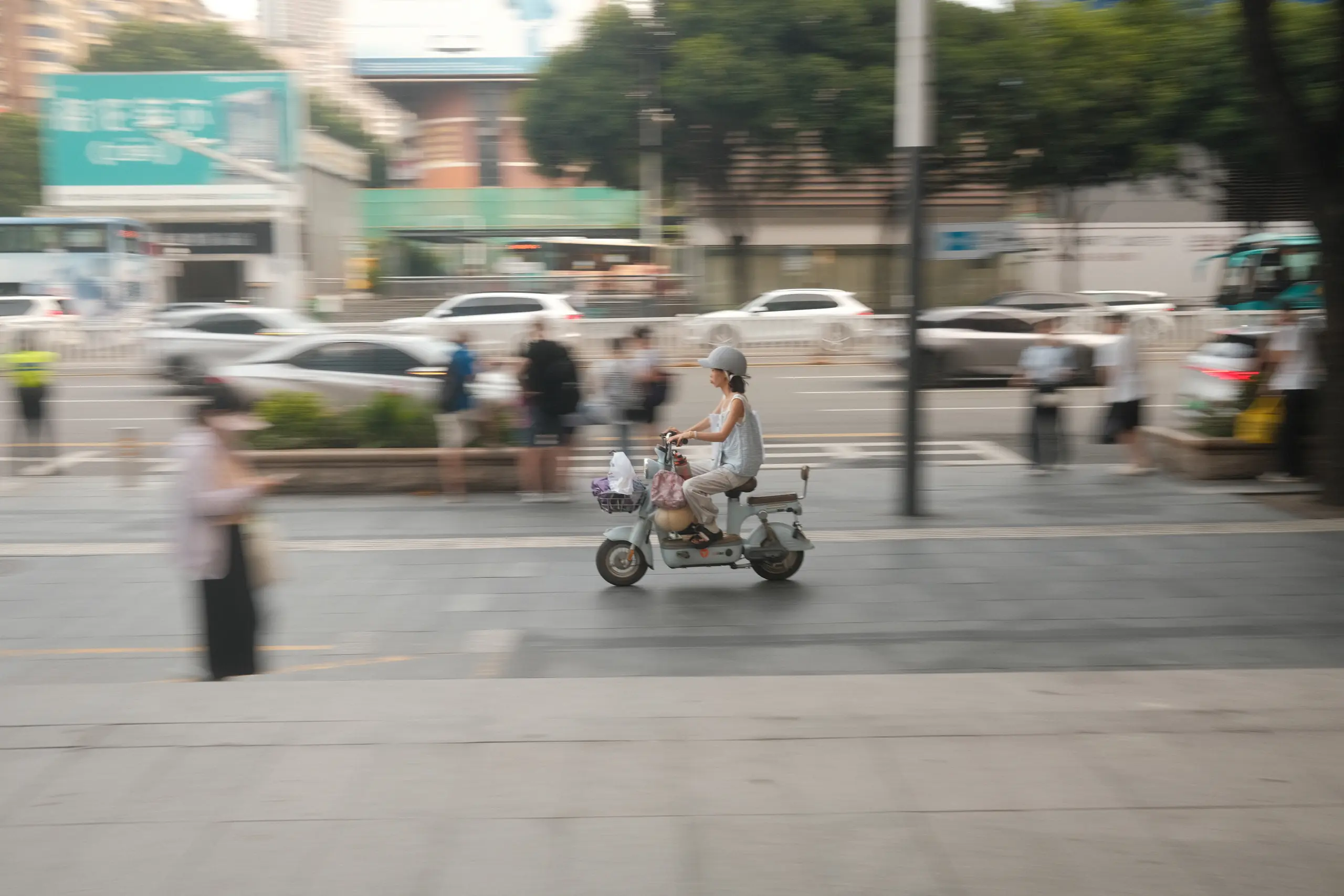
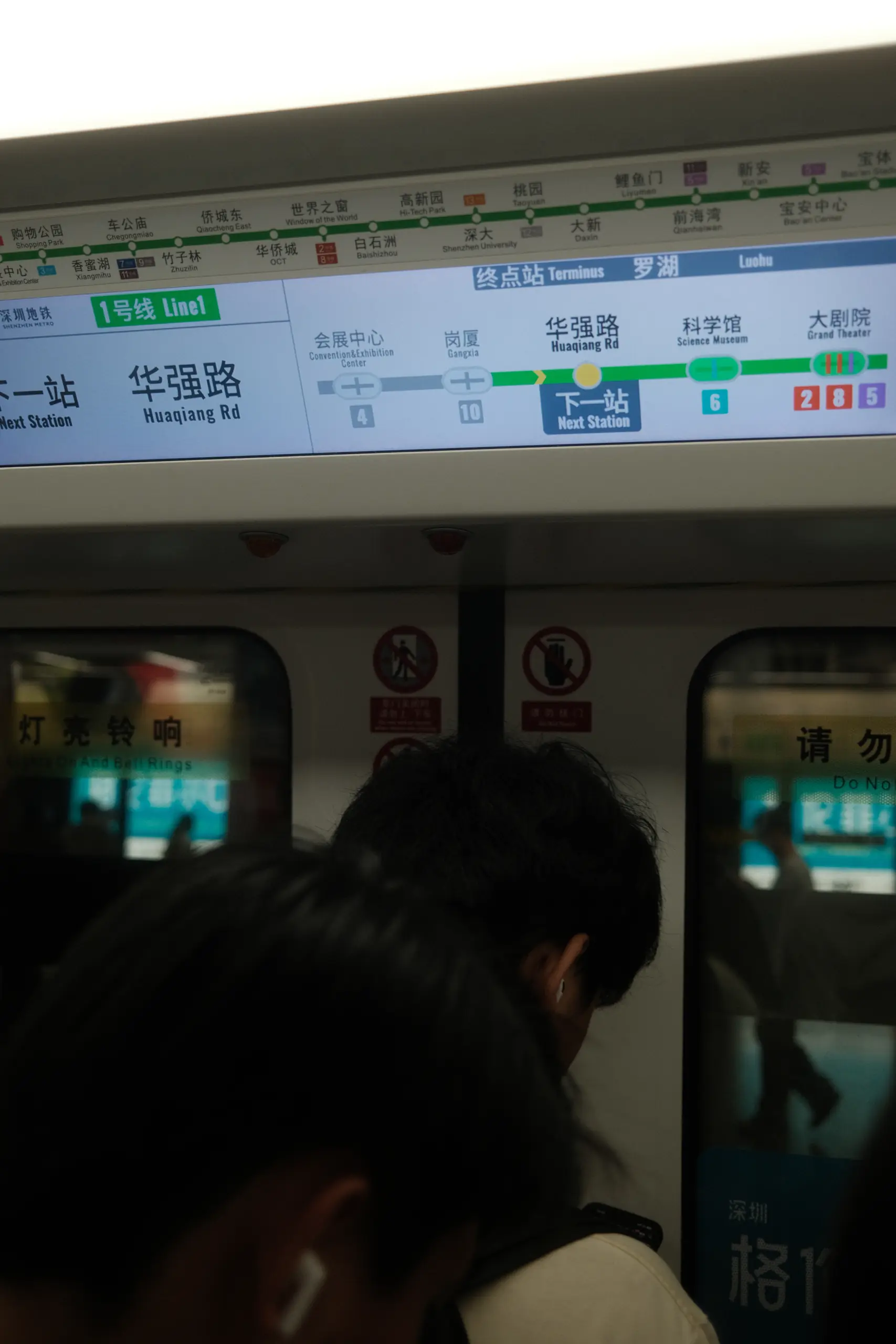
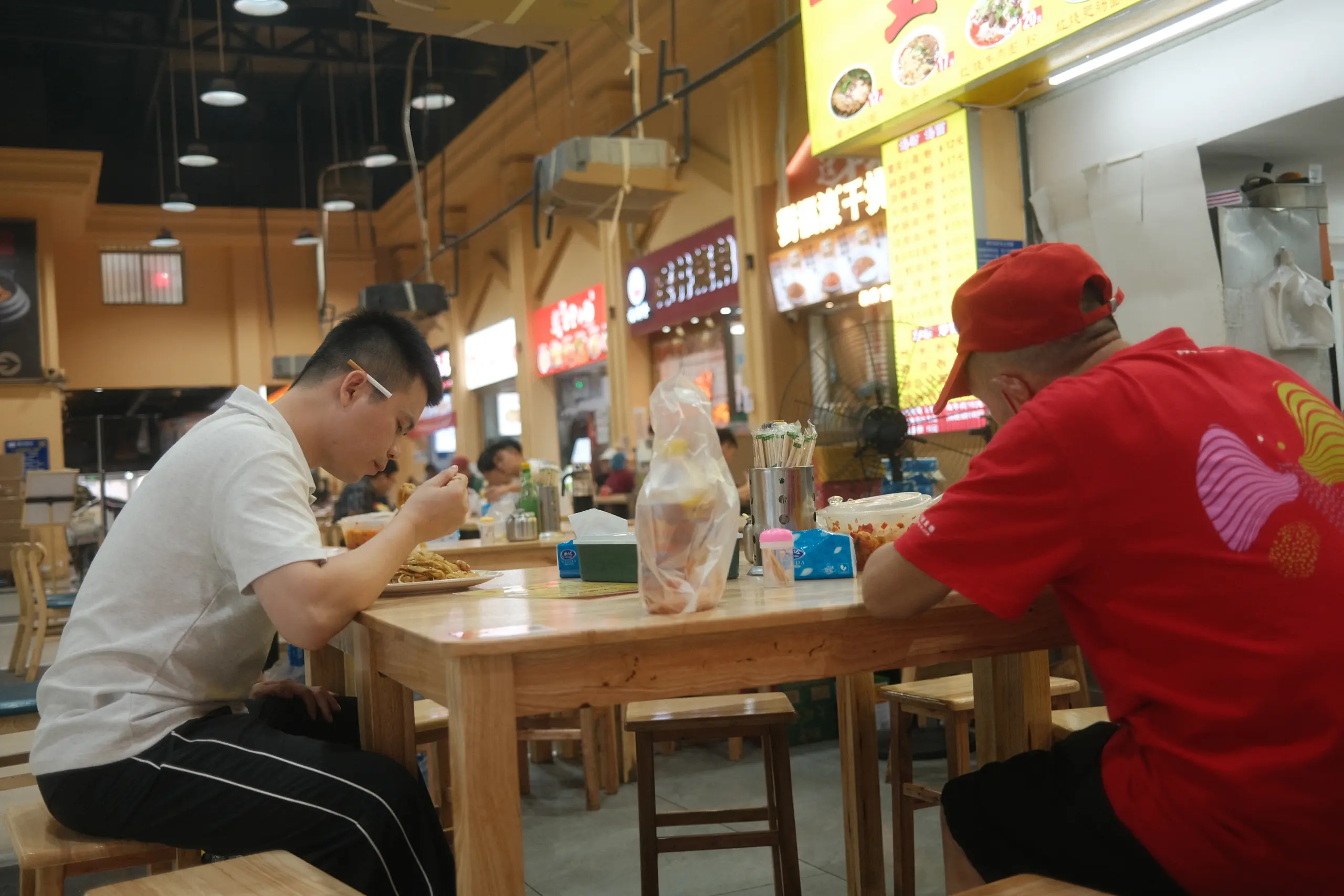
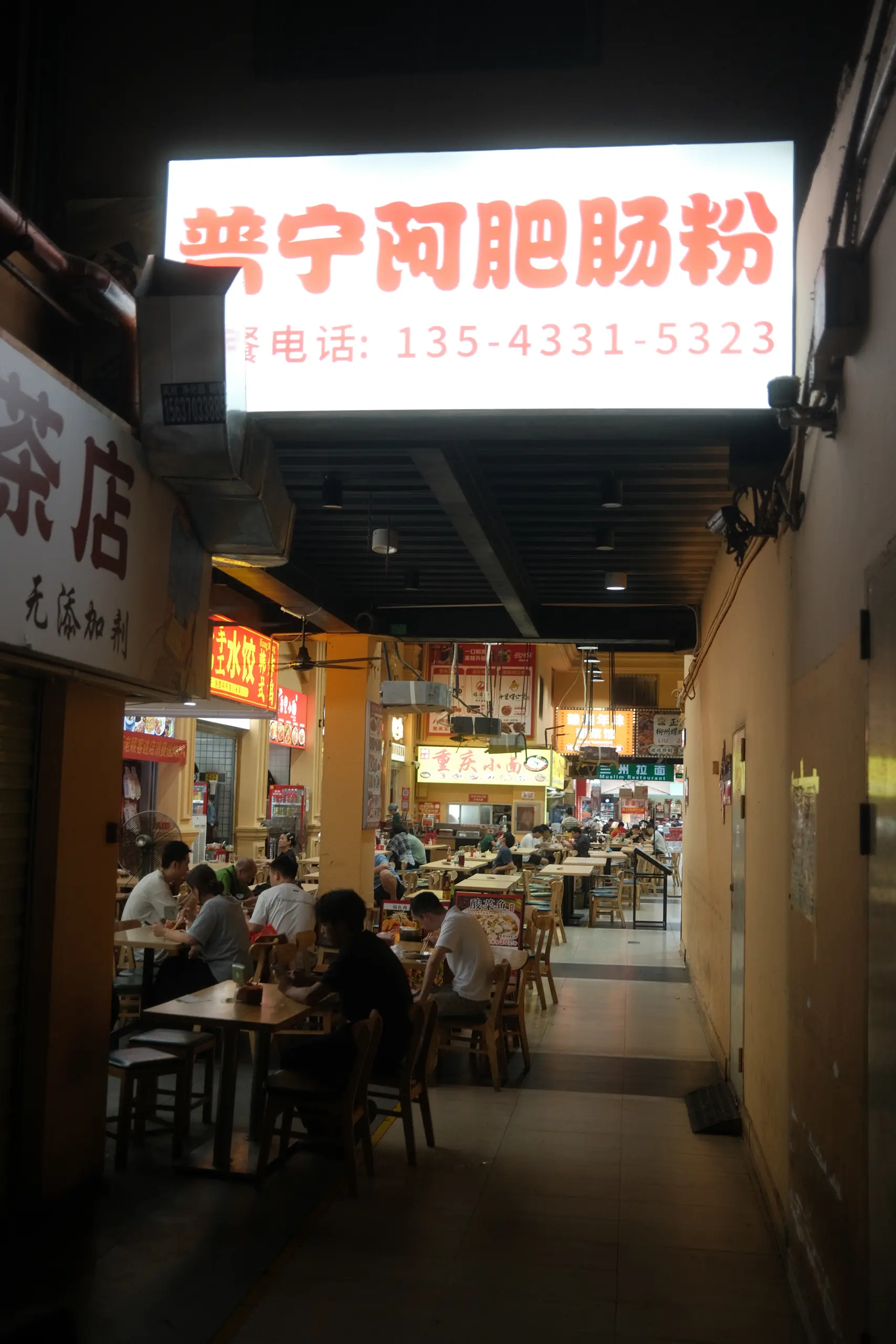
We stayed in Futian and went everywhere by metro and Didi. We saw the electronics market at Huaqiangbei and the food court next to it, and a lot of malls.
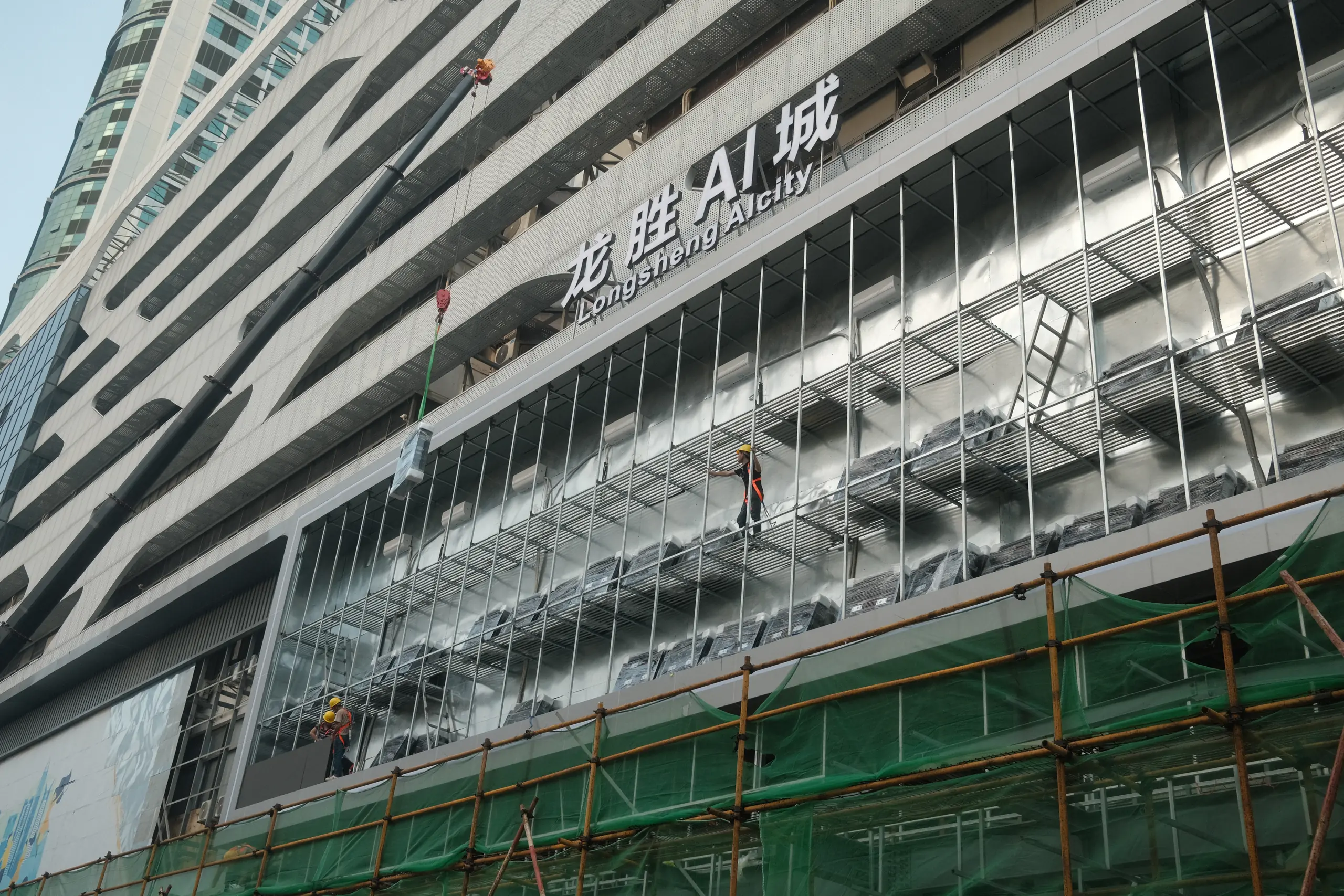
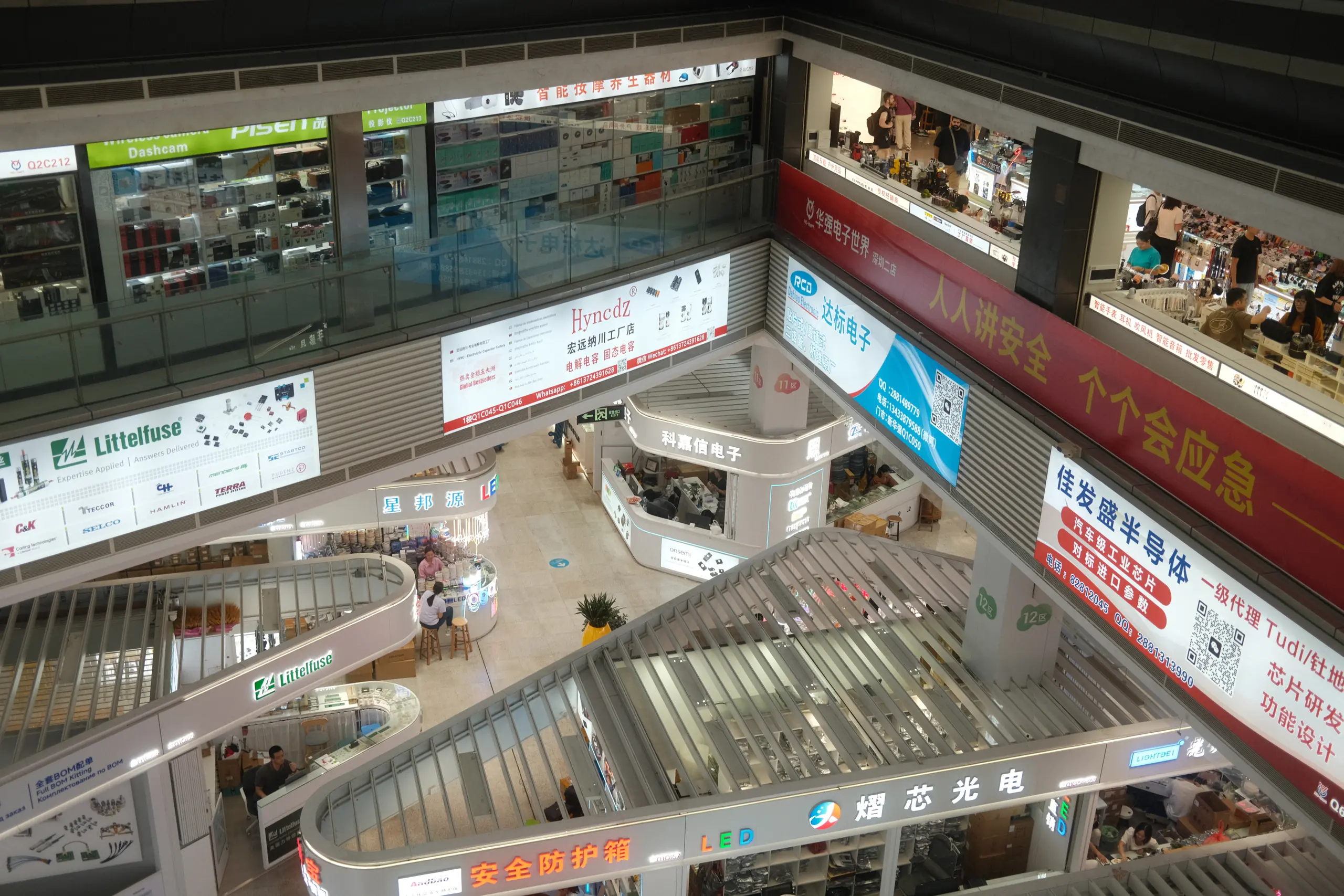
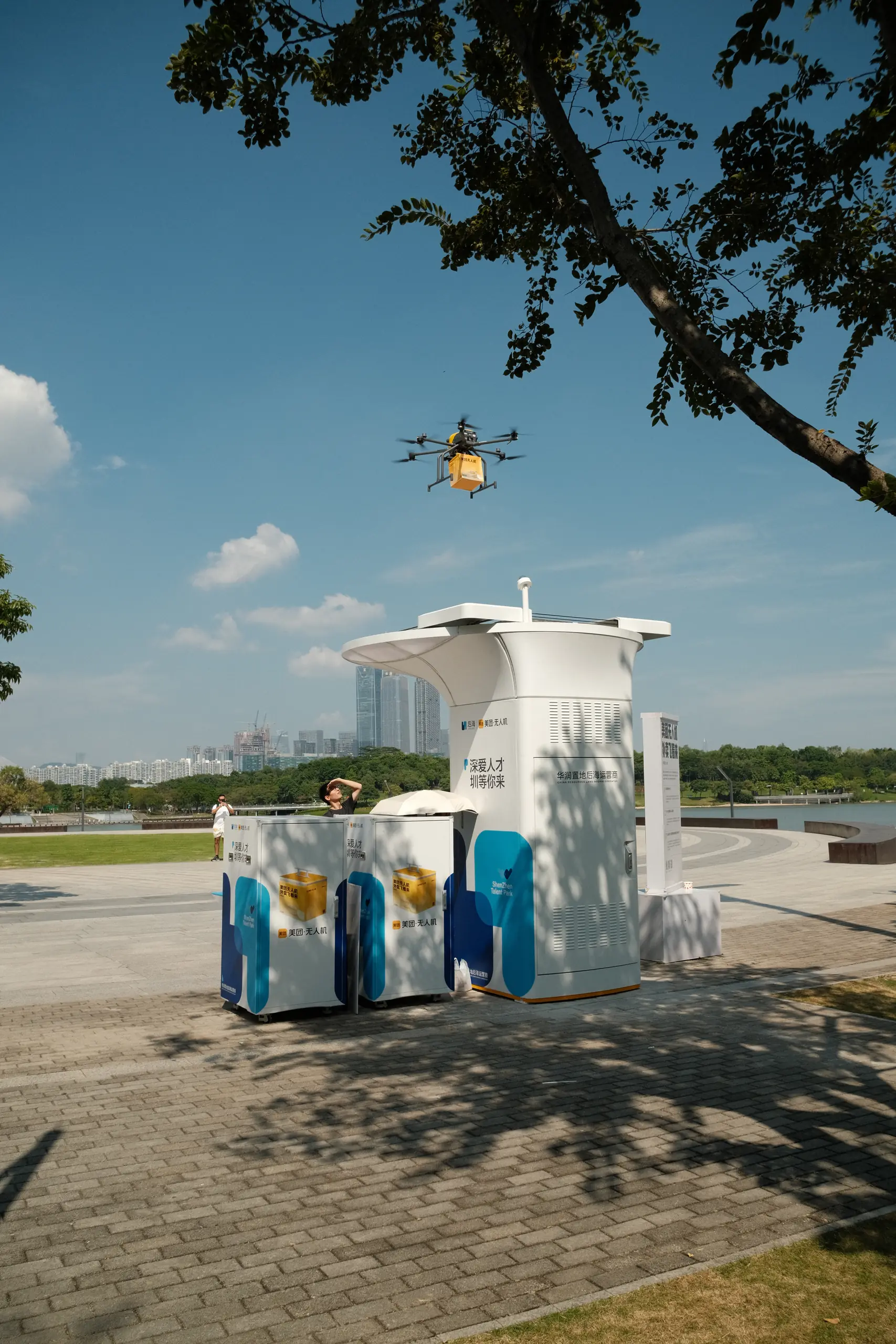
There are drone delivery stations in the parks, and out at the bay the new design museum looks like it landed rather than got built.
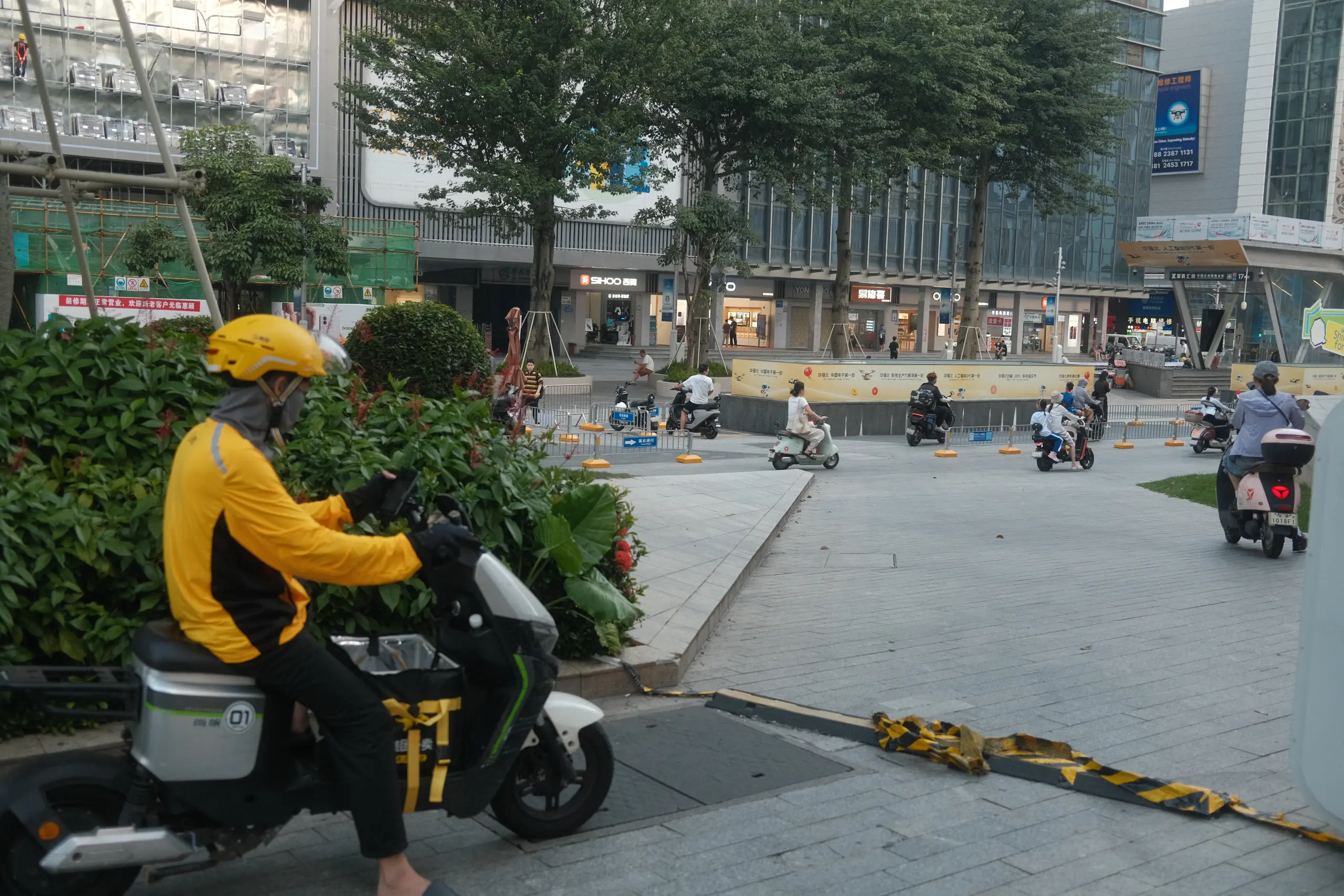
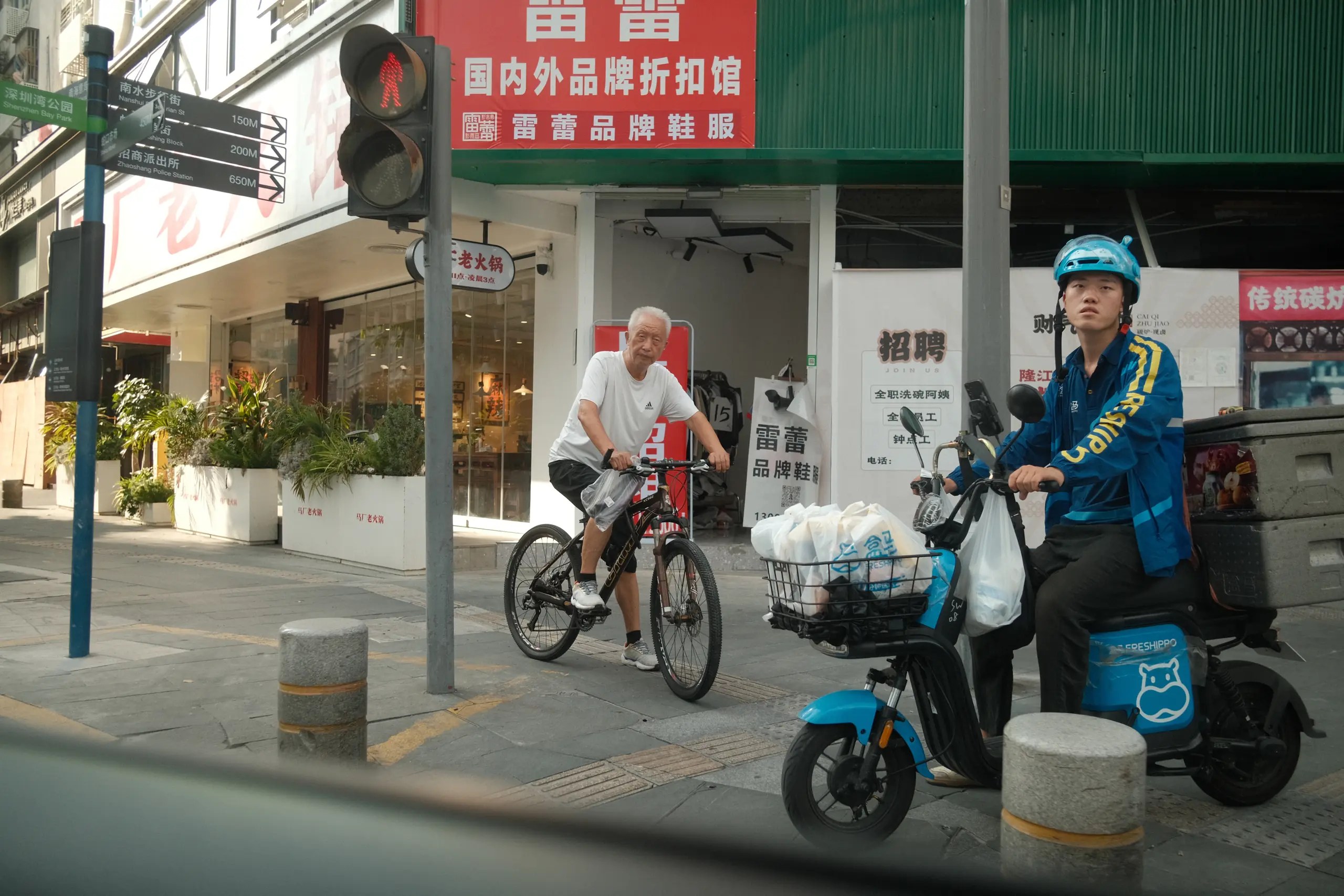
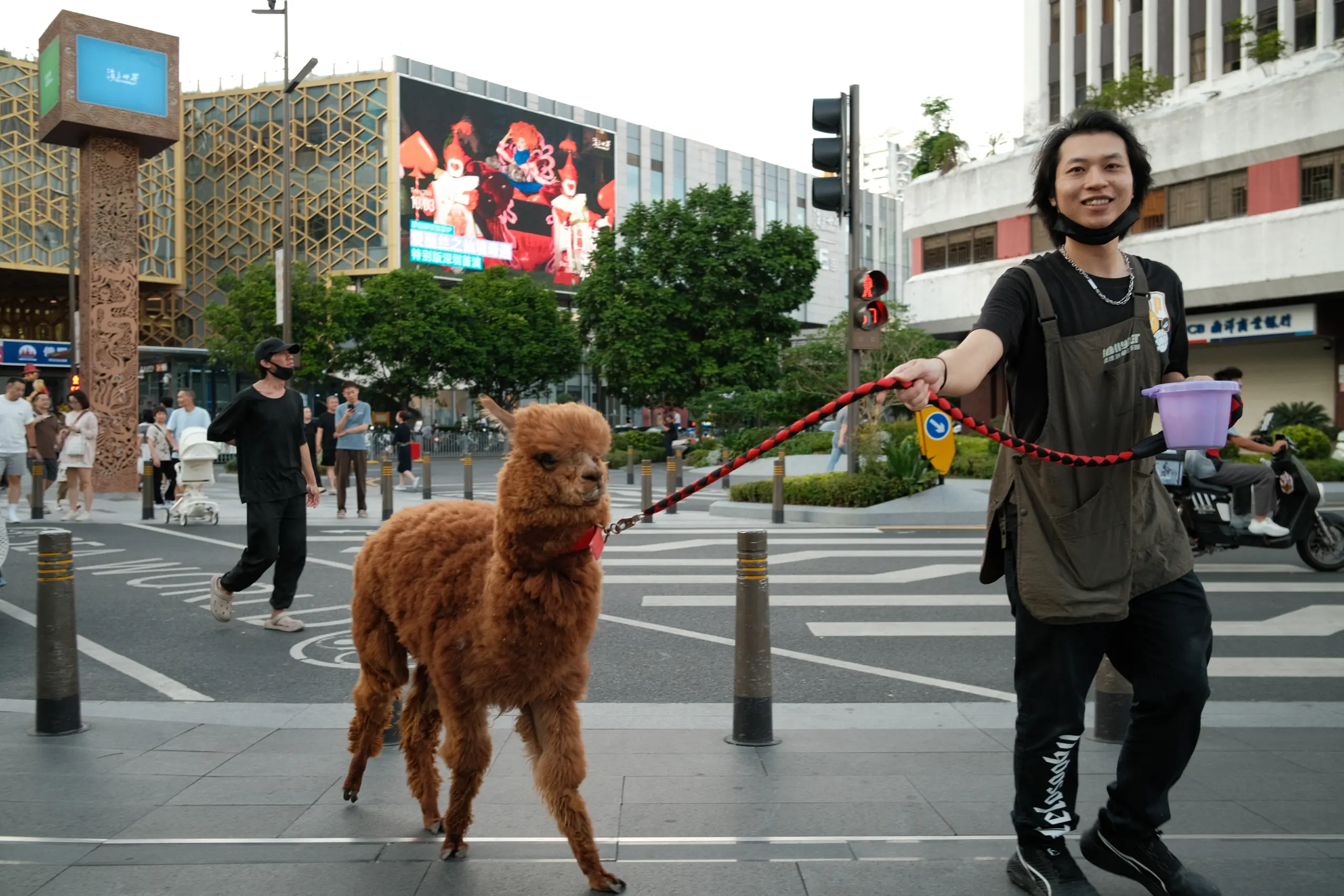
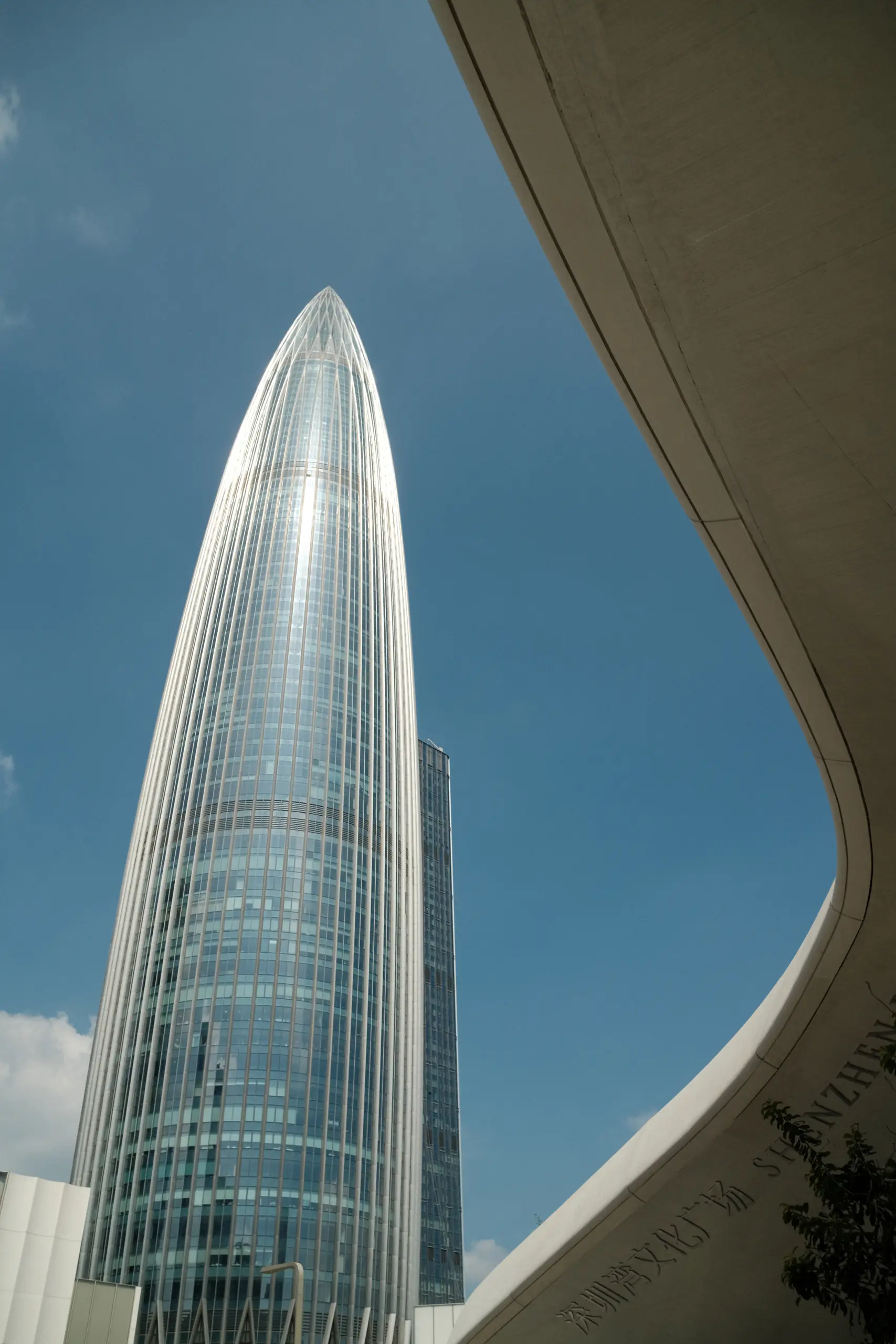
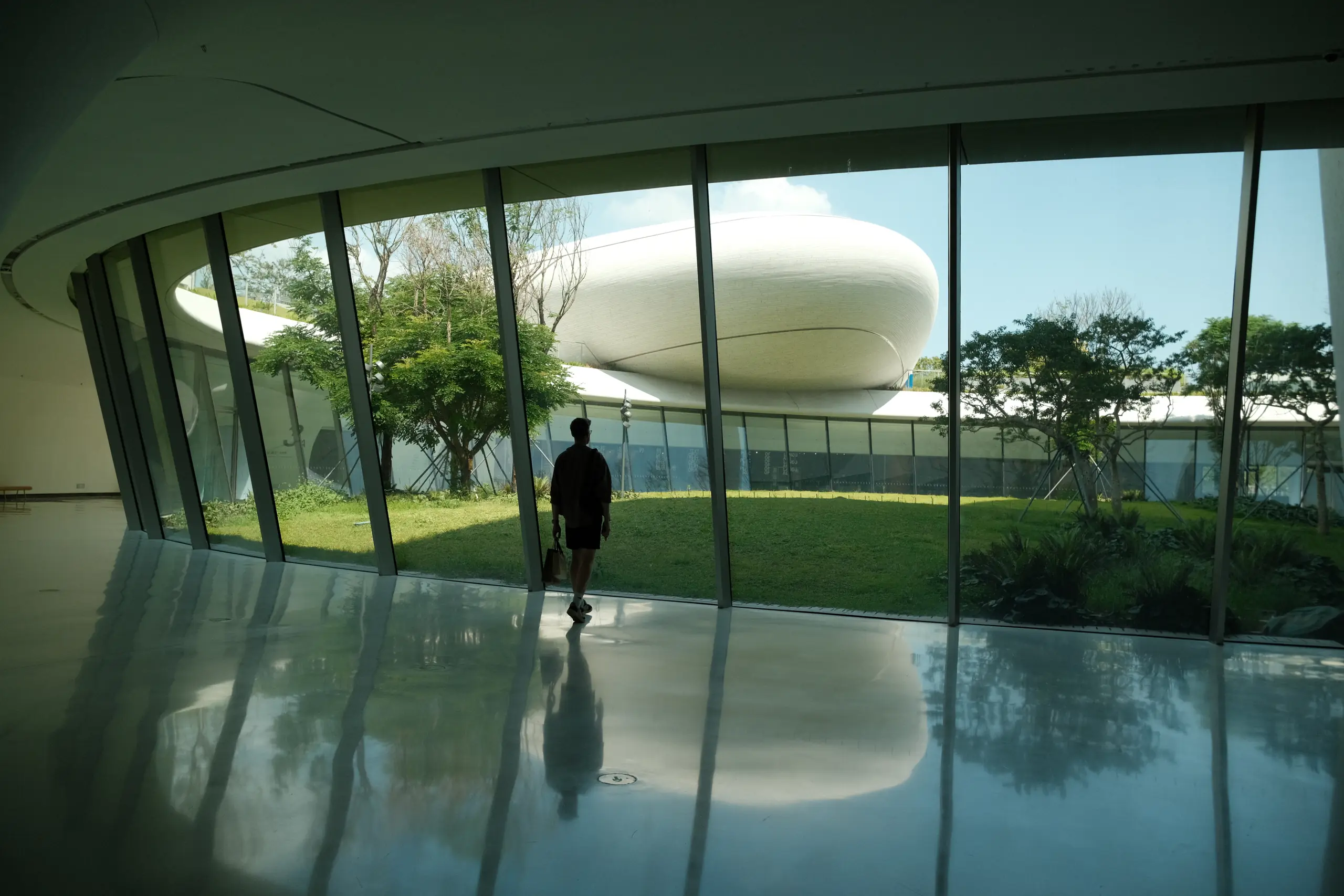
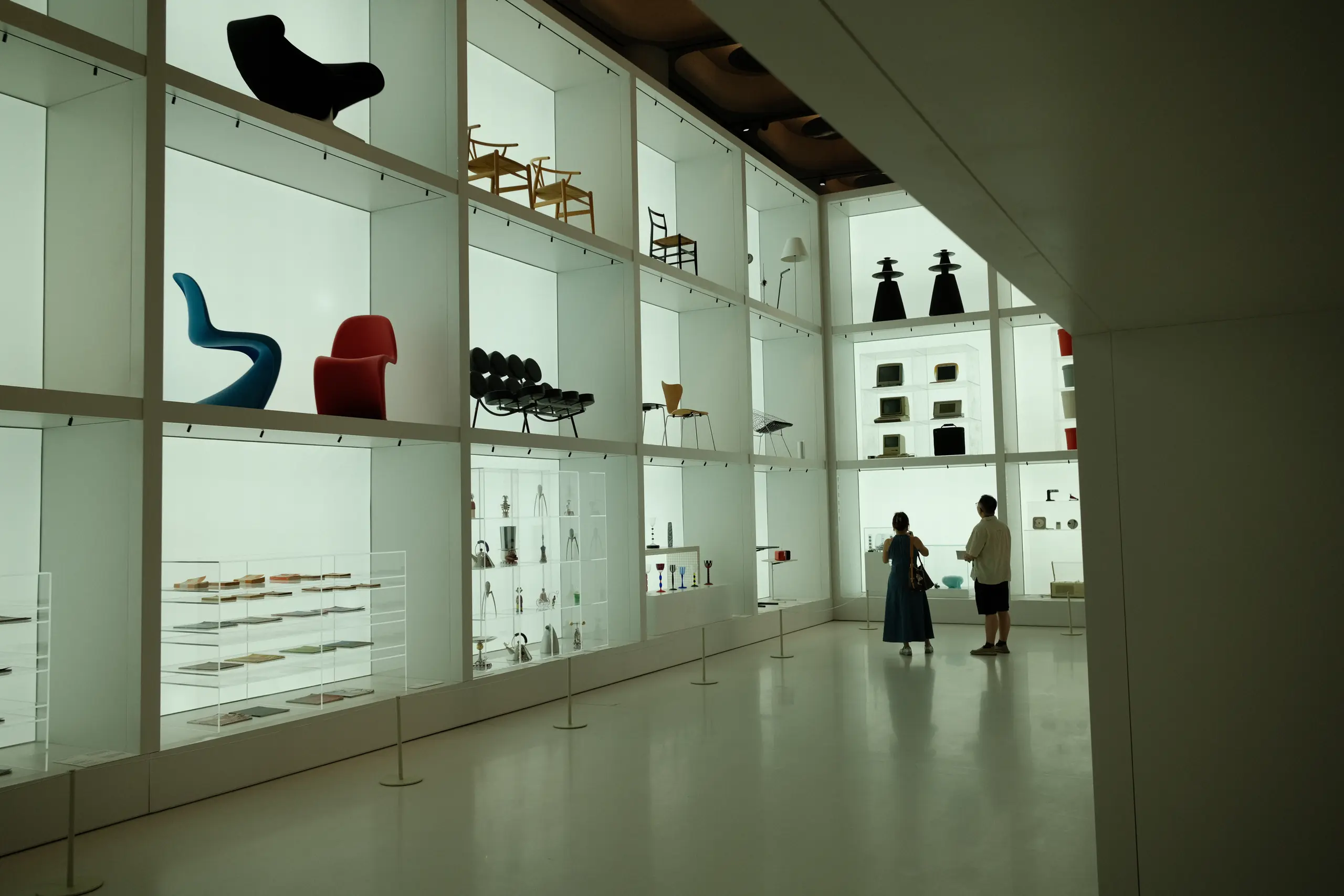
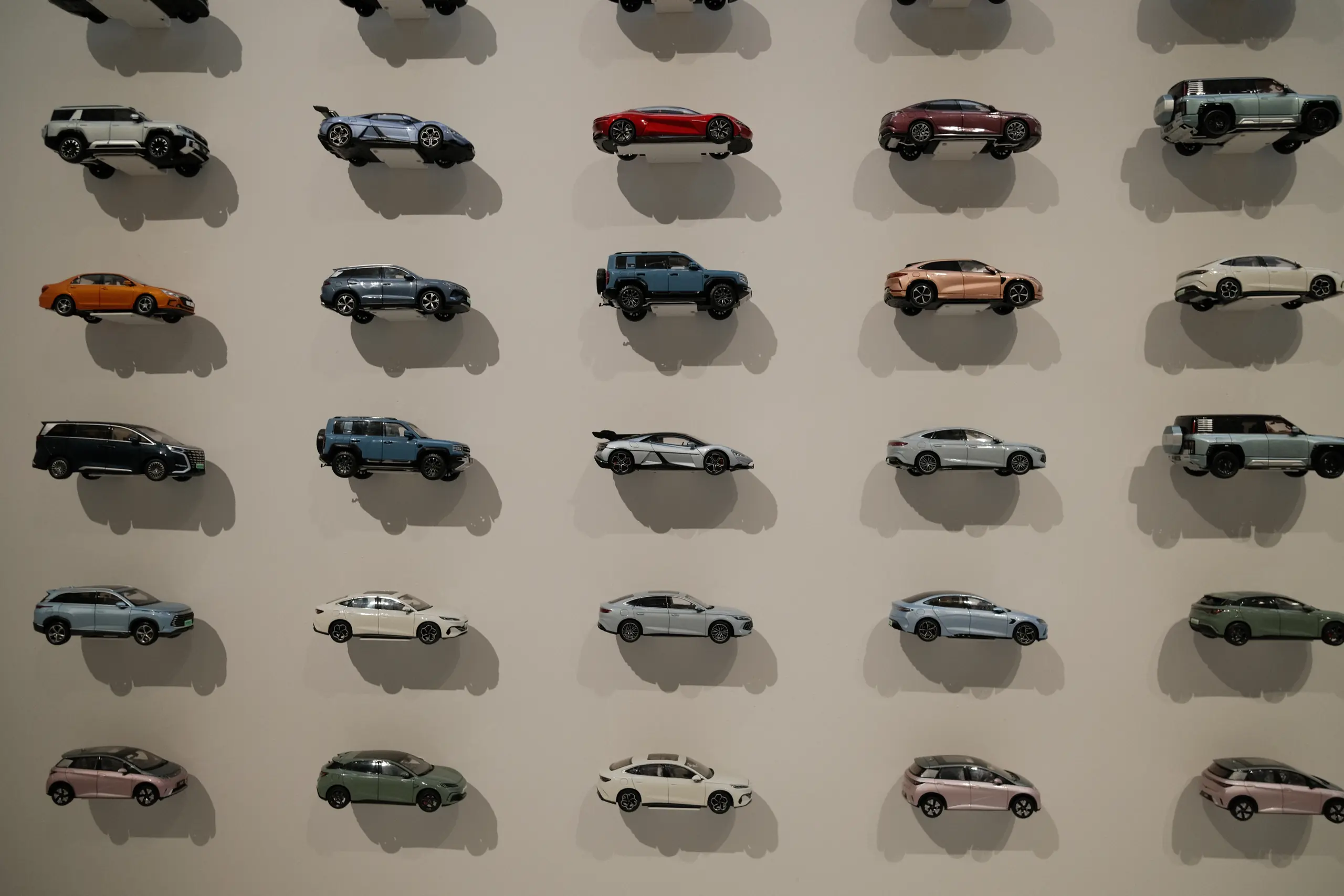
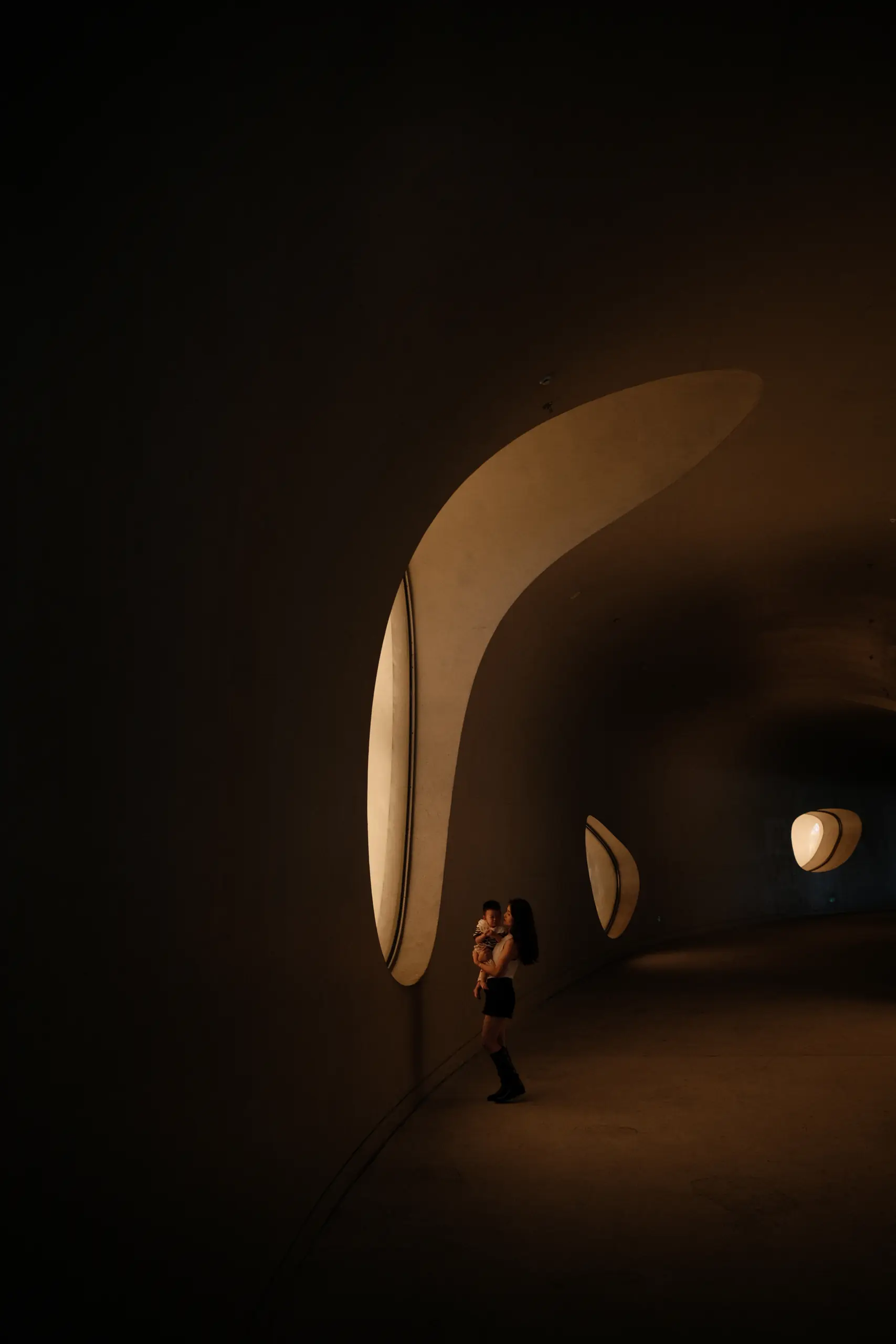
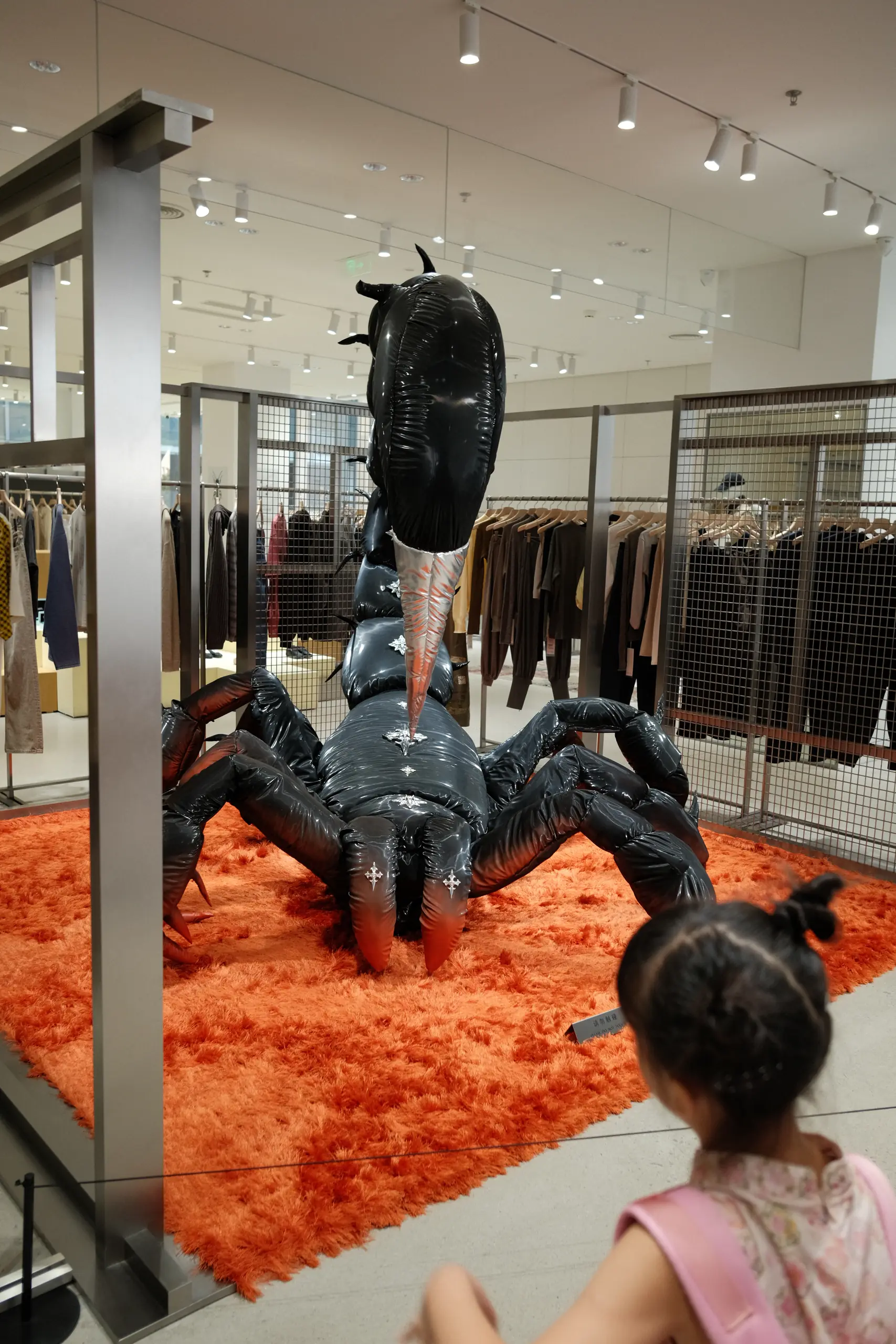
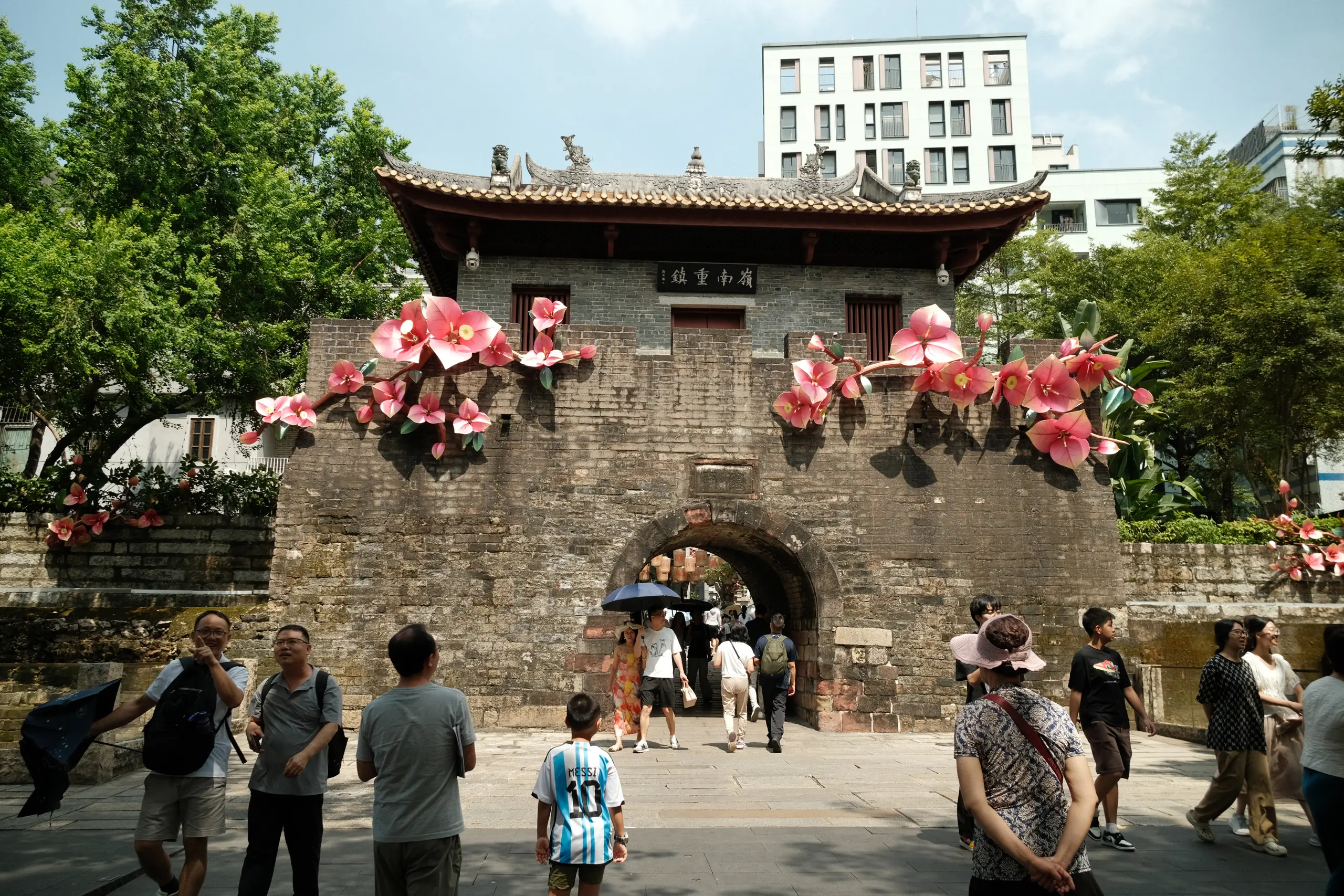
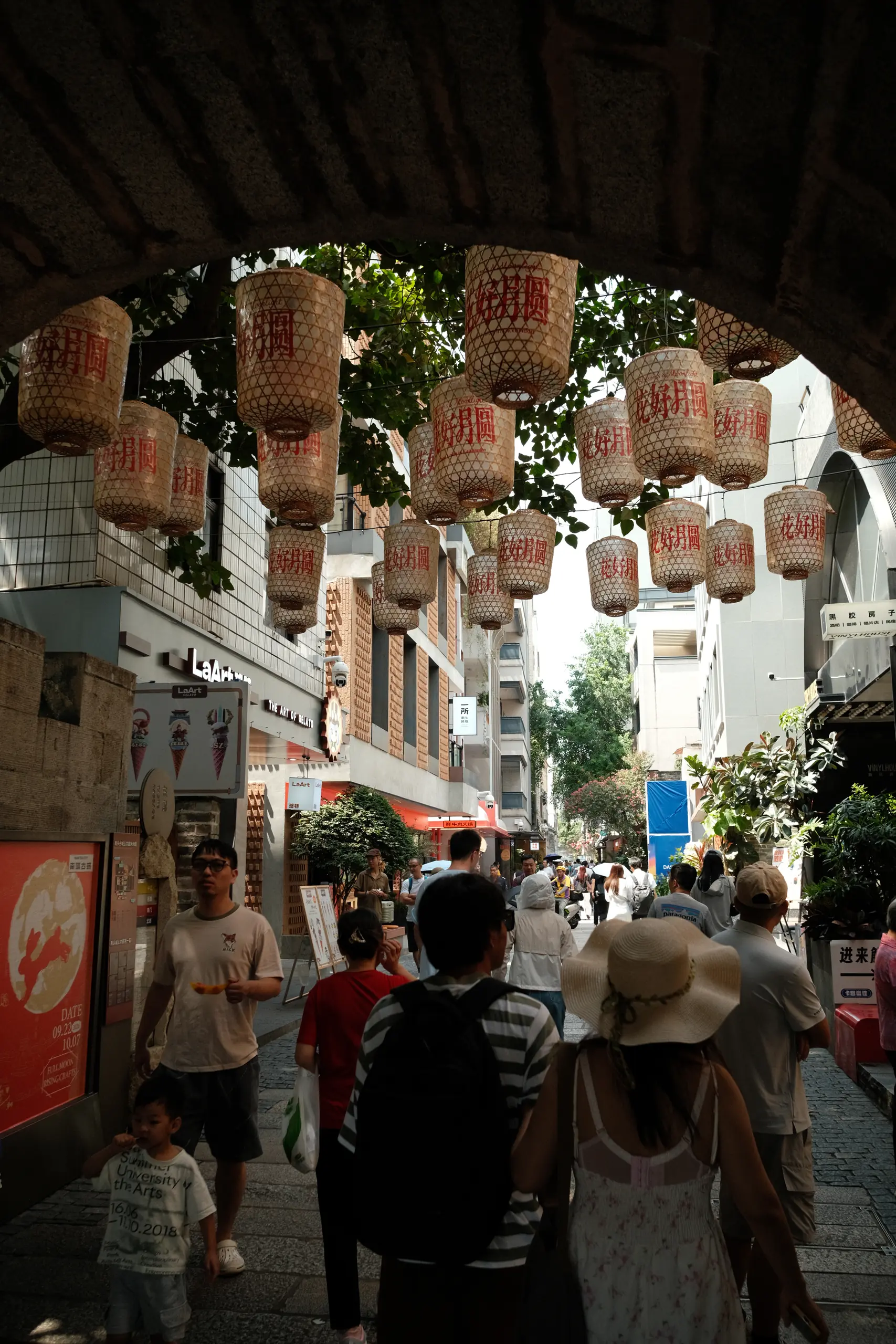
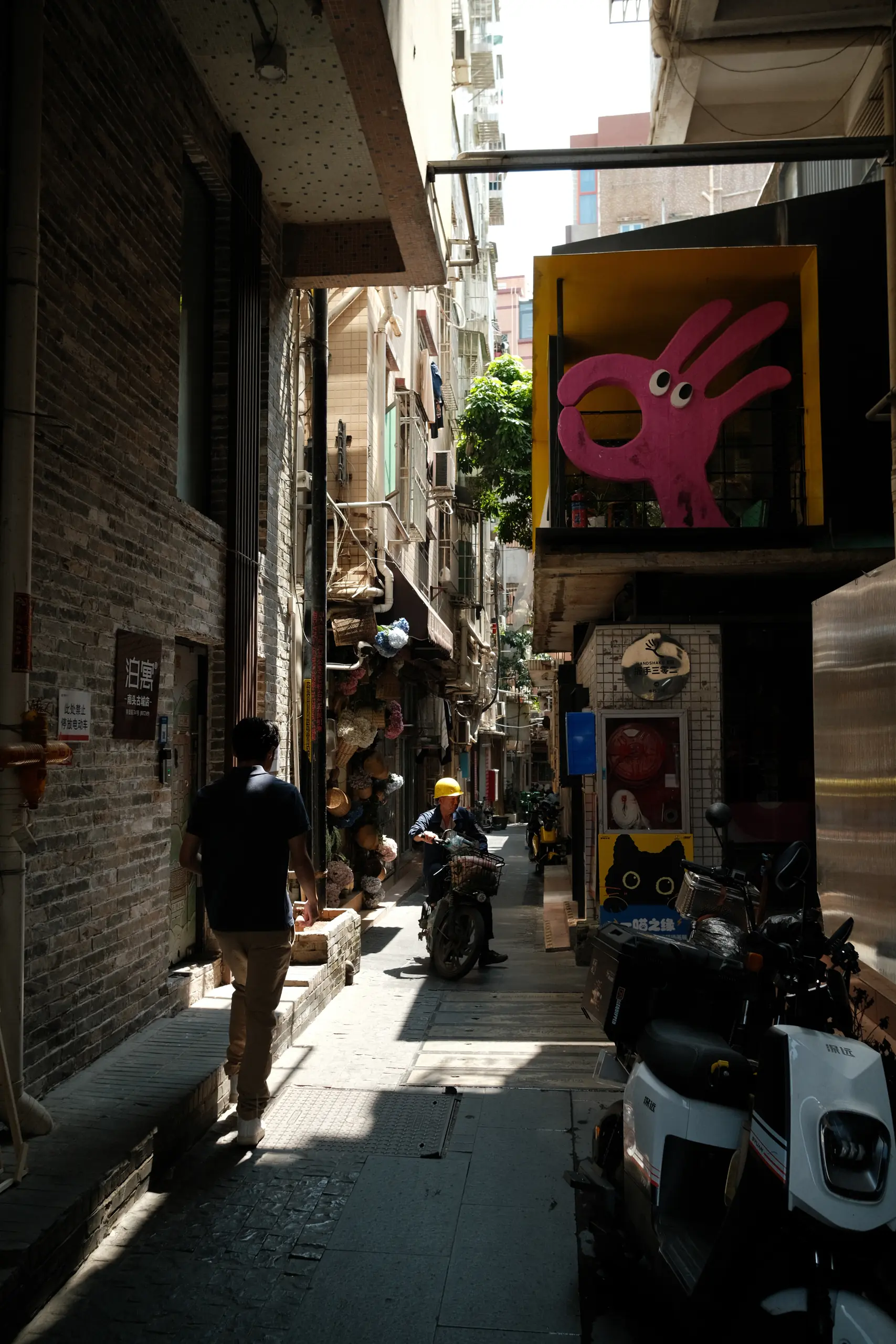
Nantou Ancient City was the exception, a walled town older than everything around it and now full of small shops, lanterns, and local artists. It was the one place in Shenzhen that didn't feel new. I bought a print from a studio there.
Macau
From Shenzhen we took the ferry from Shekou over to Macau. Leaving the harbour you see the port, container cranes along the shore for as far as you can see. Shenzhen is the fourth-busiest container port in the world, which you would never guess from inside the city. The crossing takes an hour over the mouth of the river and under the Hong Kong–Zhuhai–Macau Bridge, 55 kilometres of road over open sea.
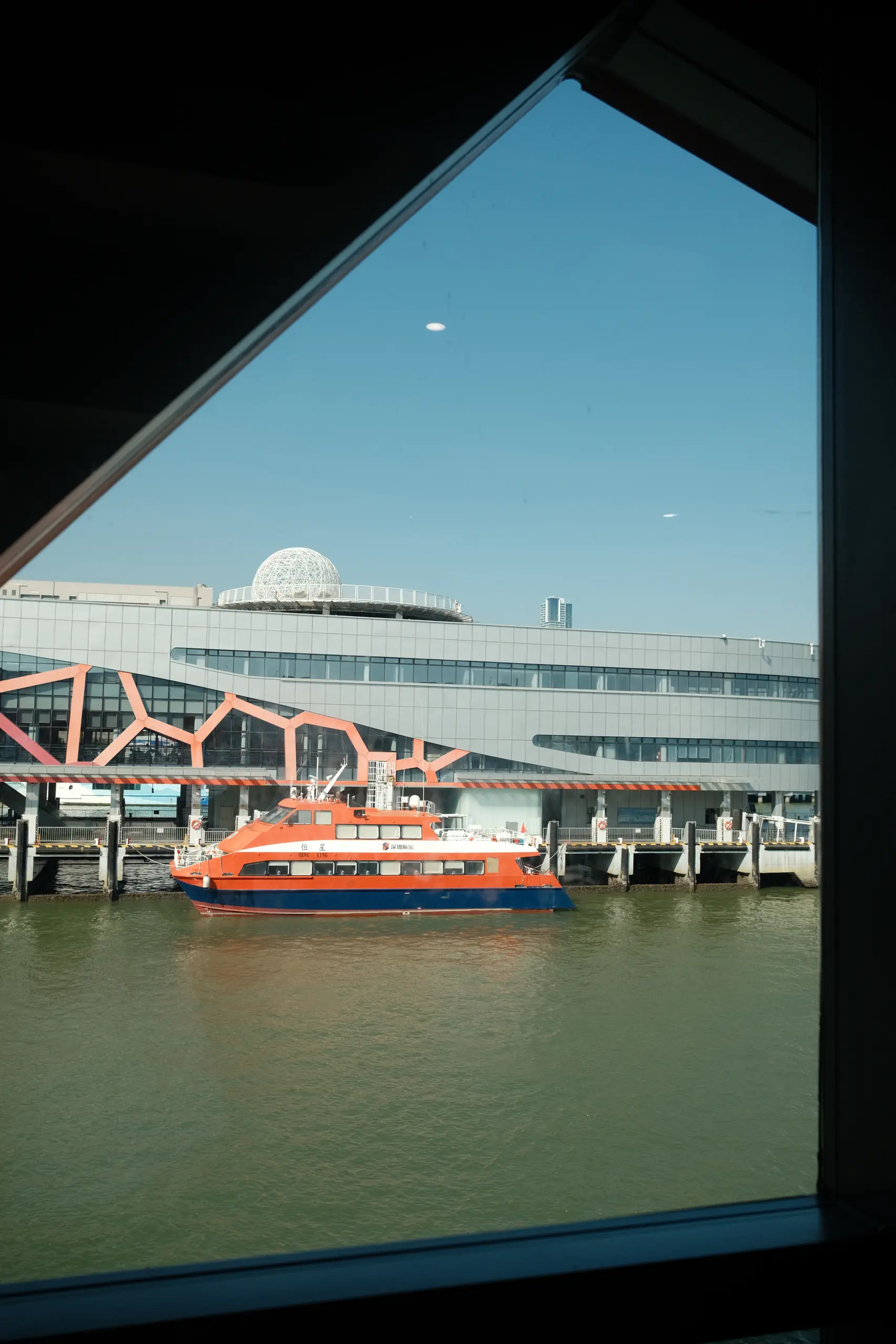
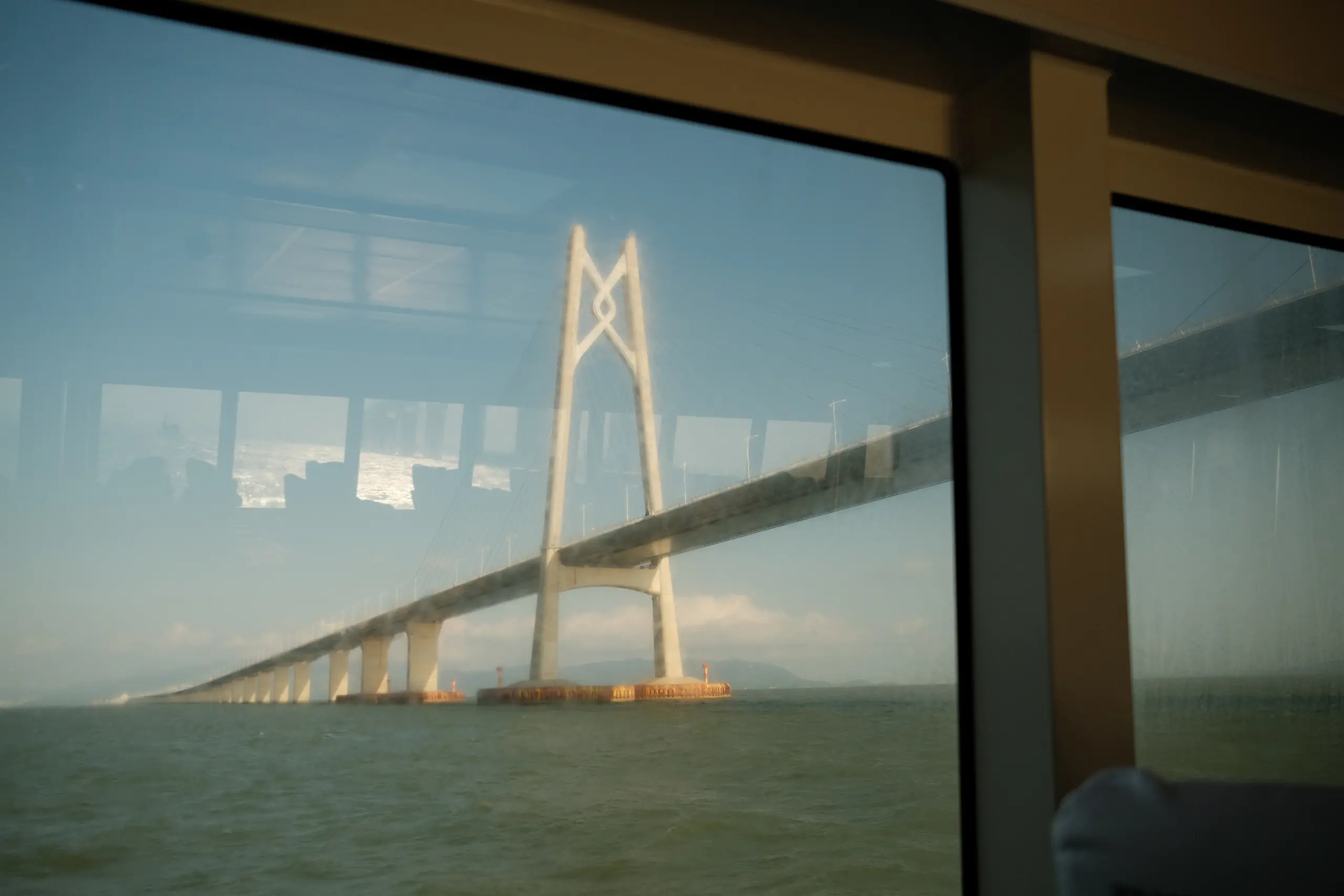
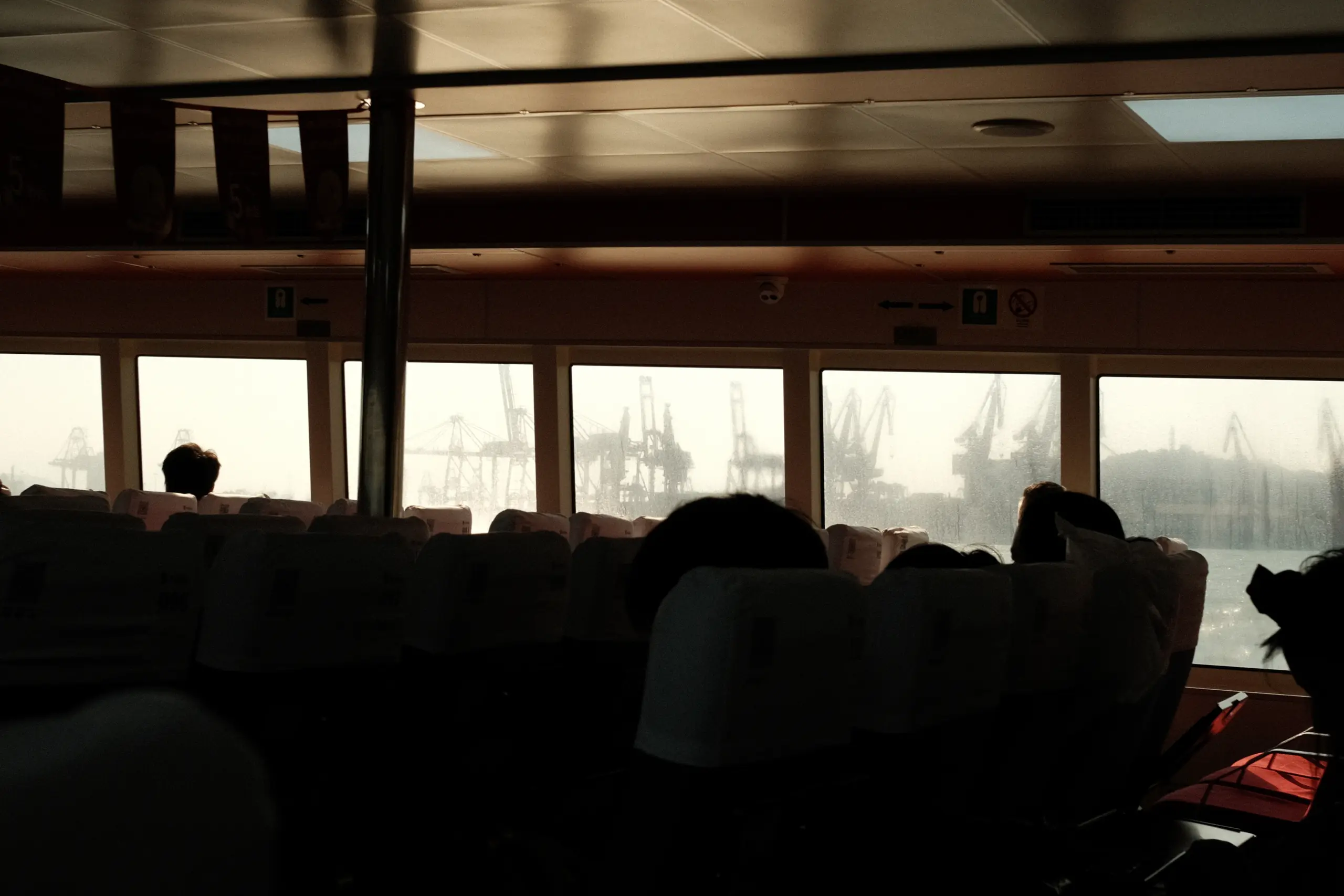
Macau is two completely different places. The Cotai Strip is an Asian Las Vegas, with a Venice, a Paris and a London built at massive scale. We stayed in the Venetian, which has canals and gondolas indoors under a painted sky, with the Londoner next door. Completely absurd, and a lot of fun.
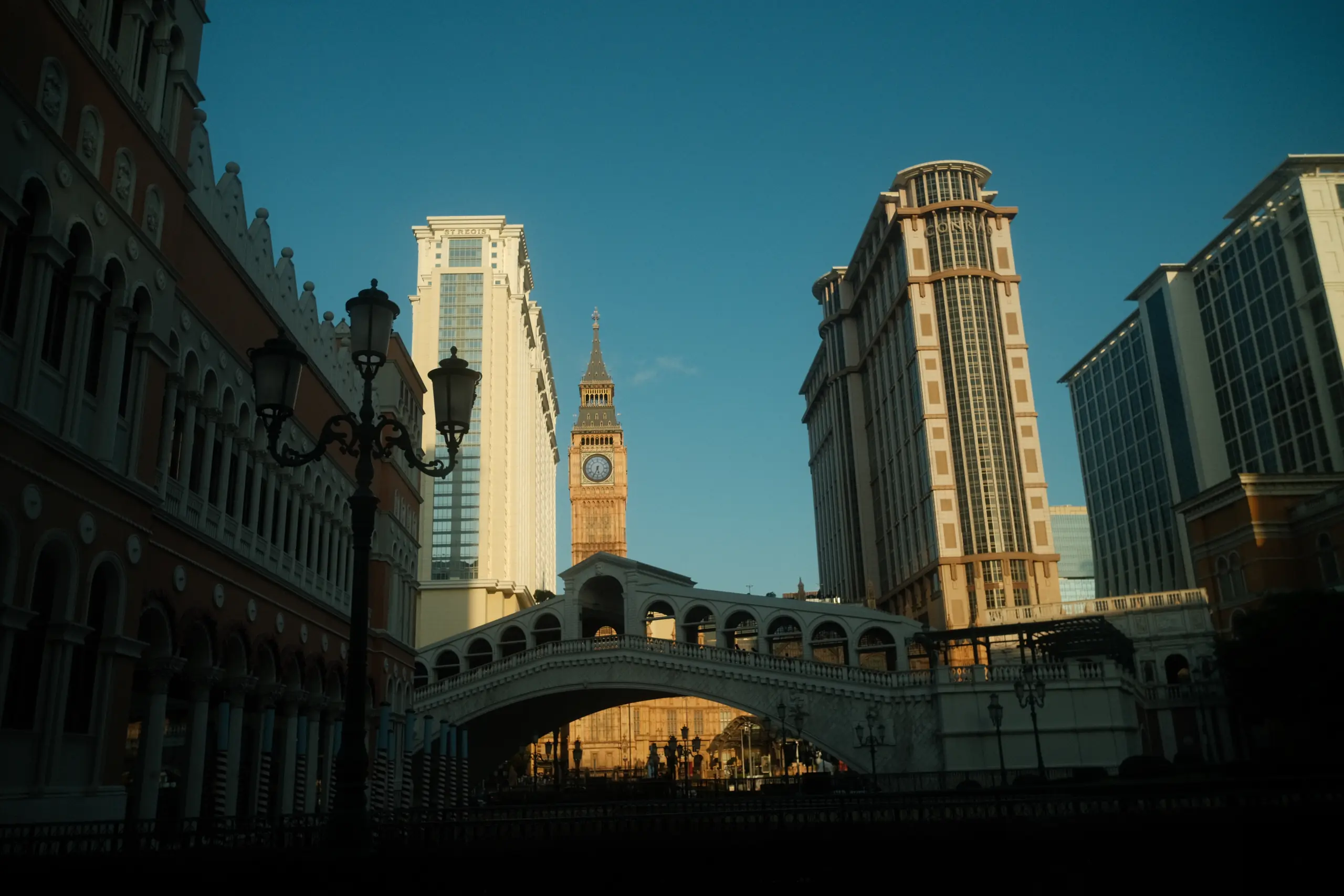
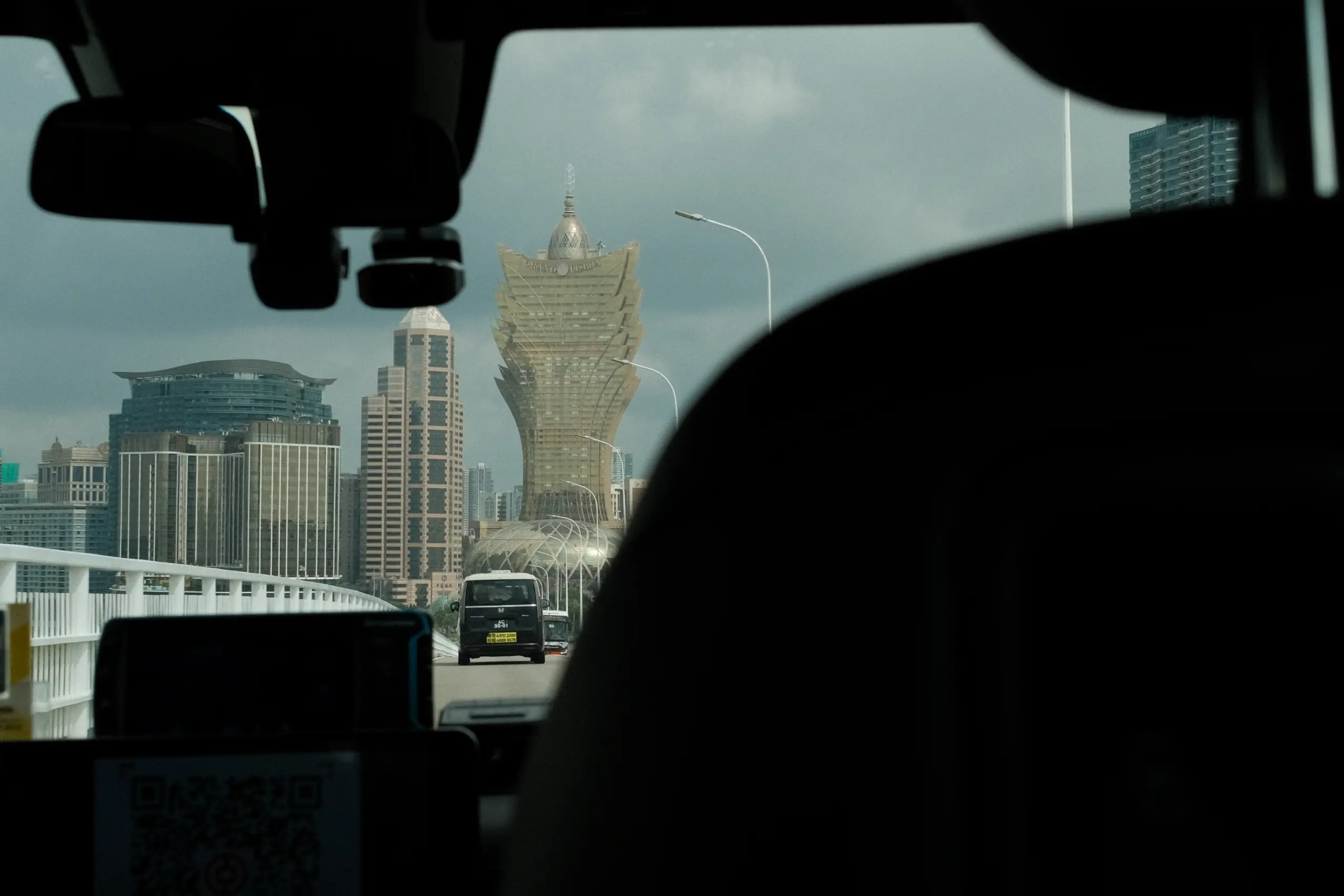
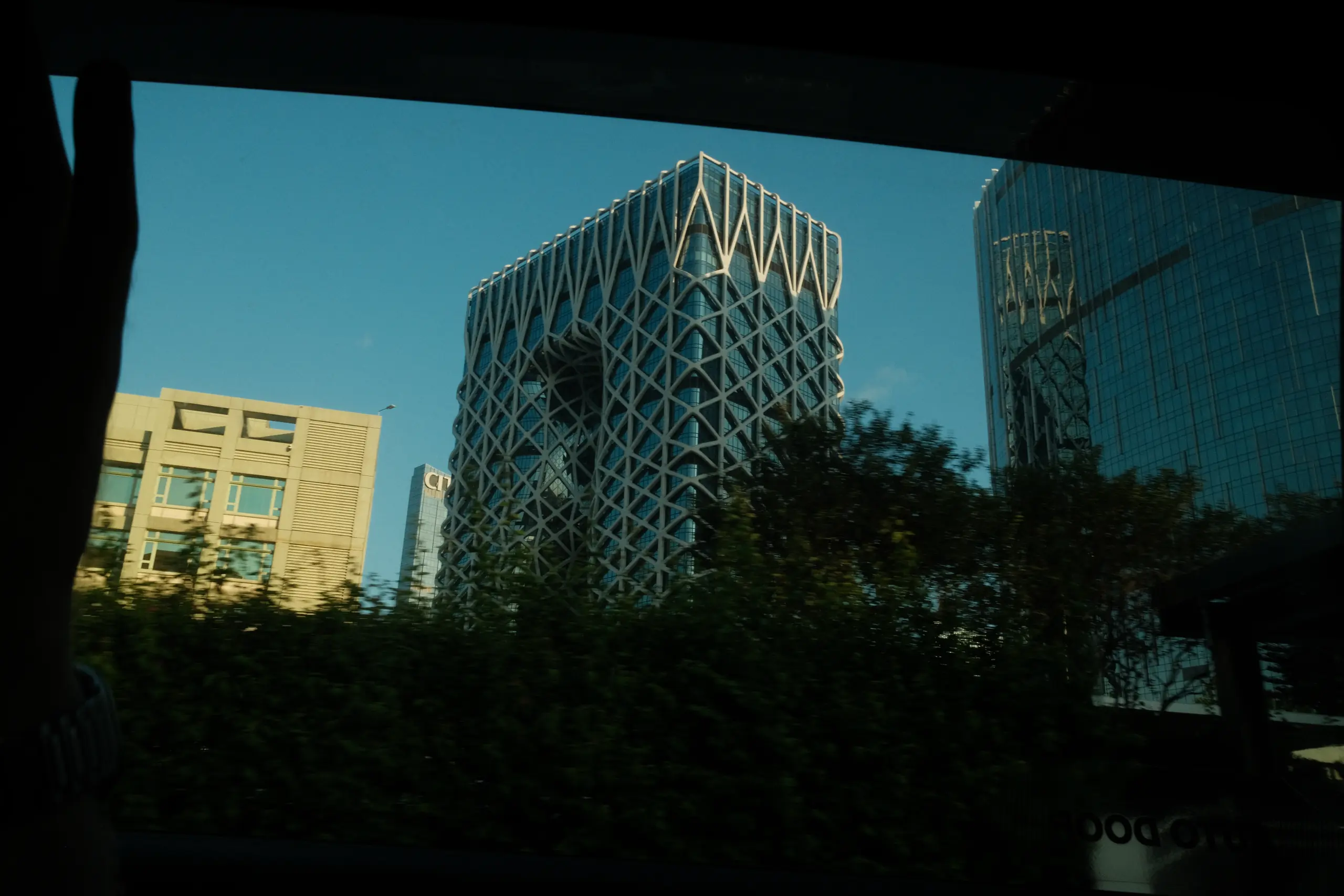
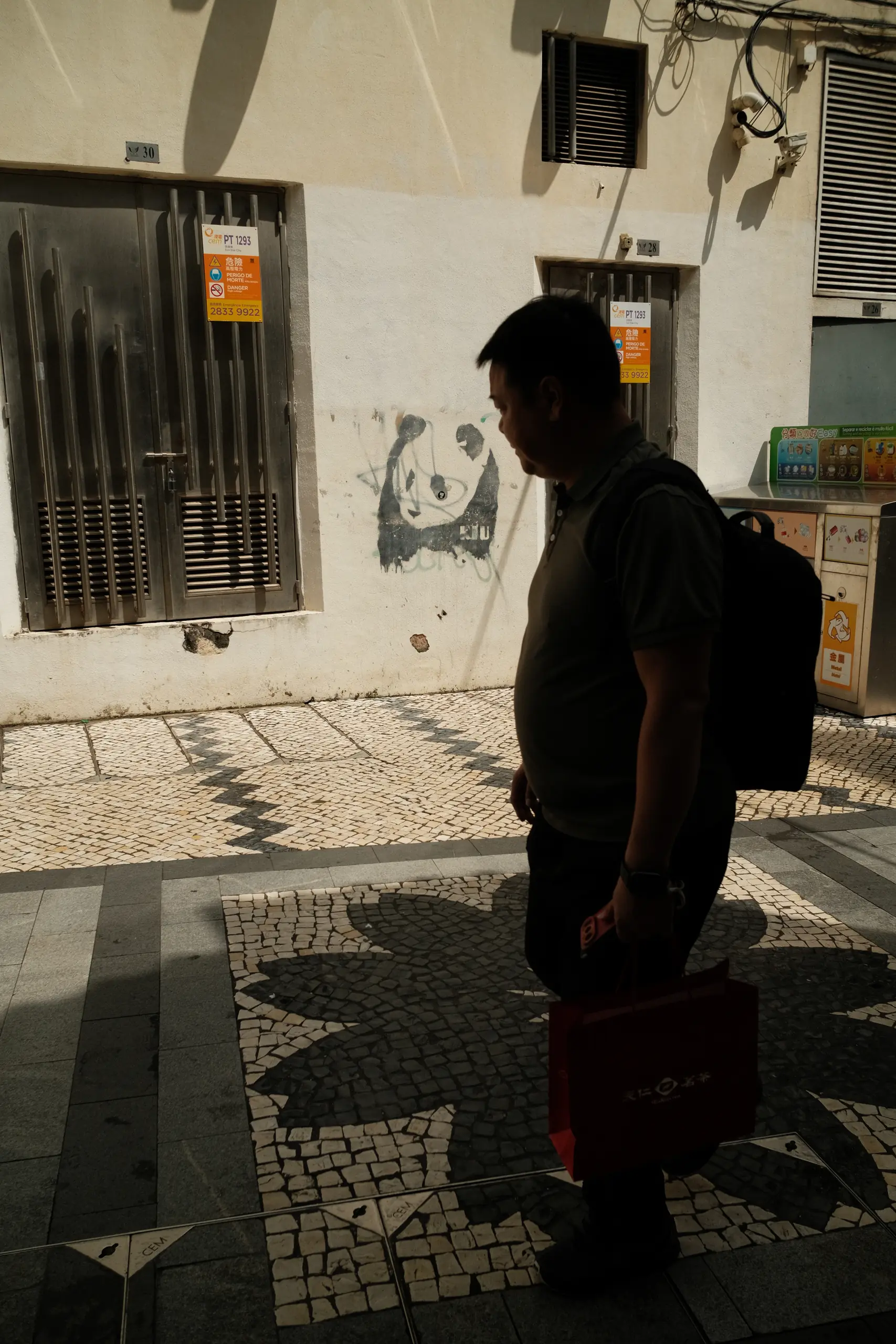
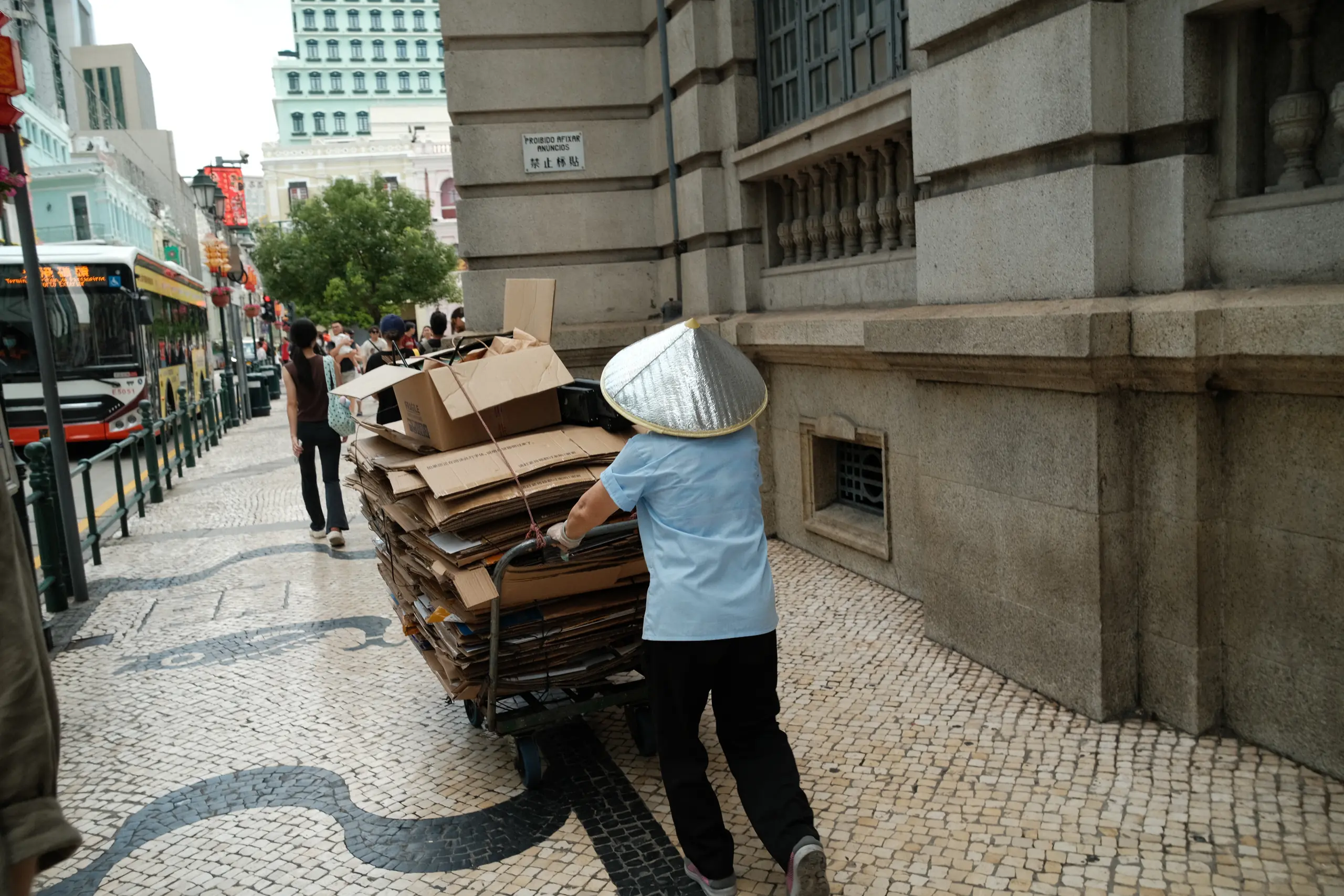
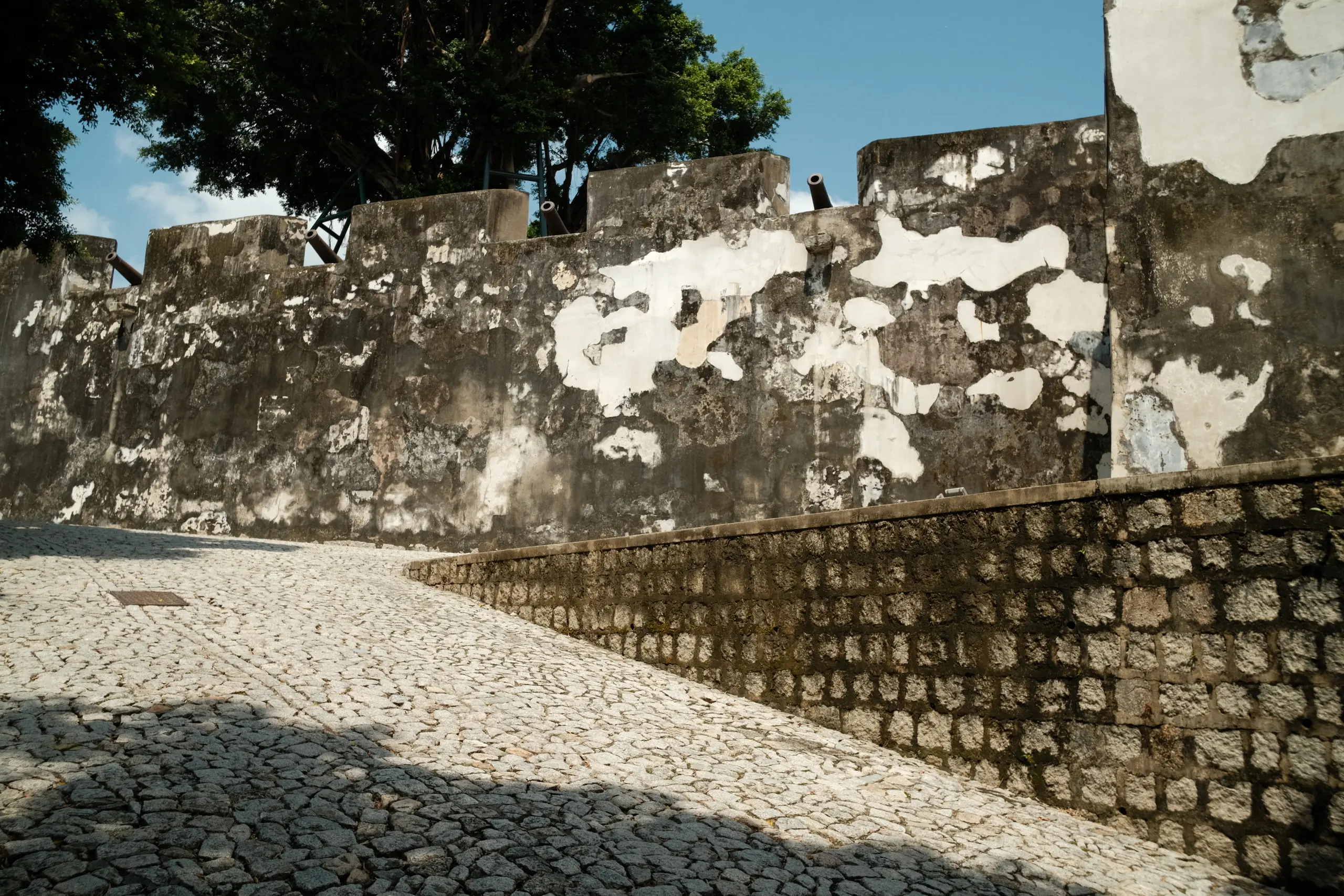
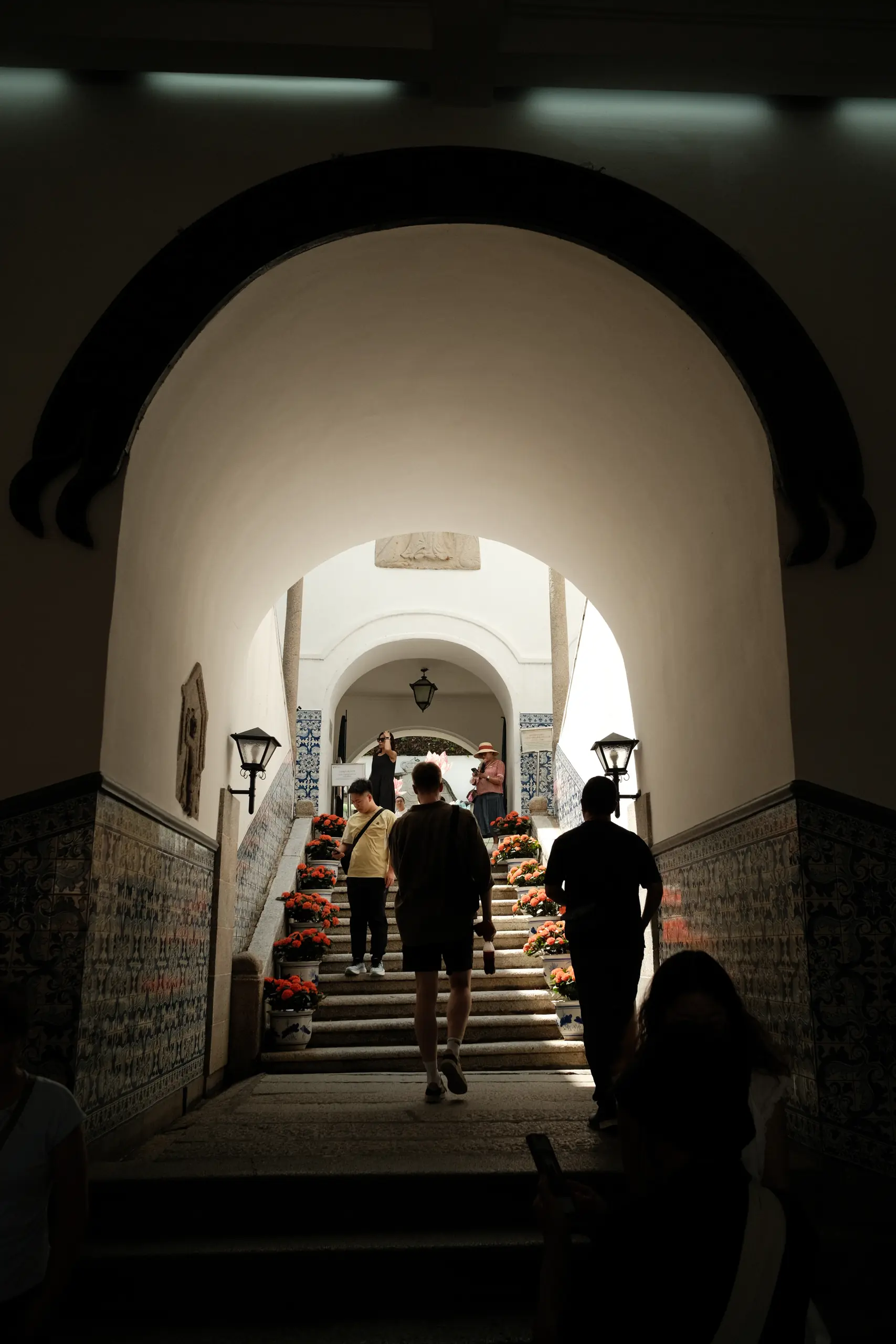
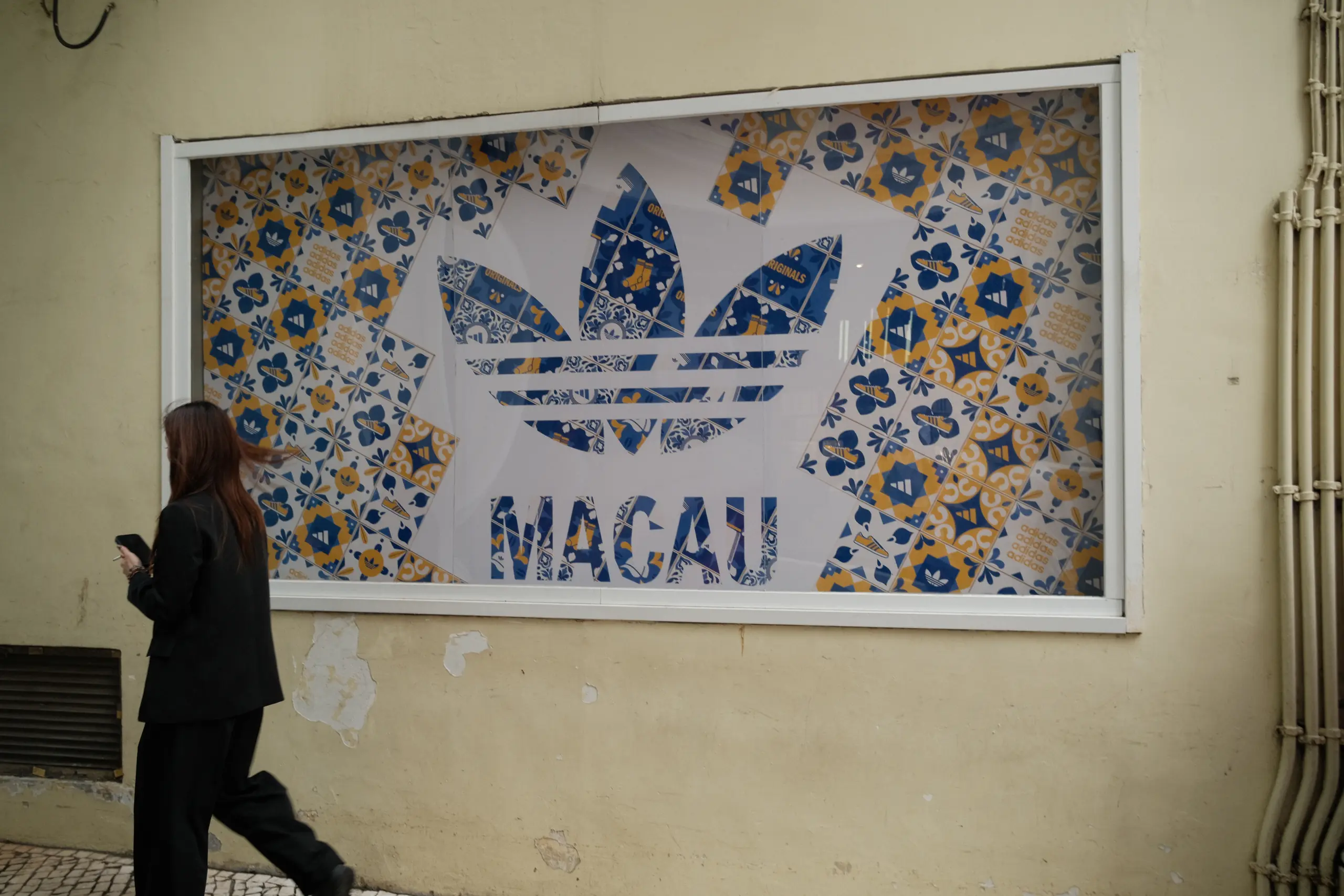
The old town on the peninsula is the other Macau, and the part I'd go back for. Portuguese churches in pastel colours, black-and-white stone pavement, tiles on every other wall.
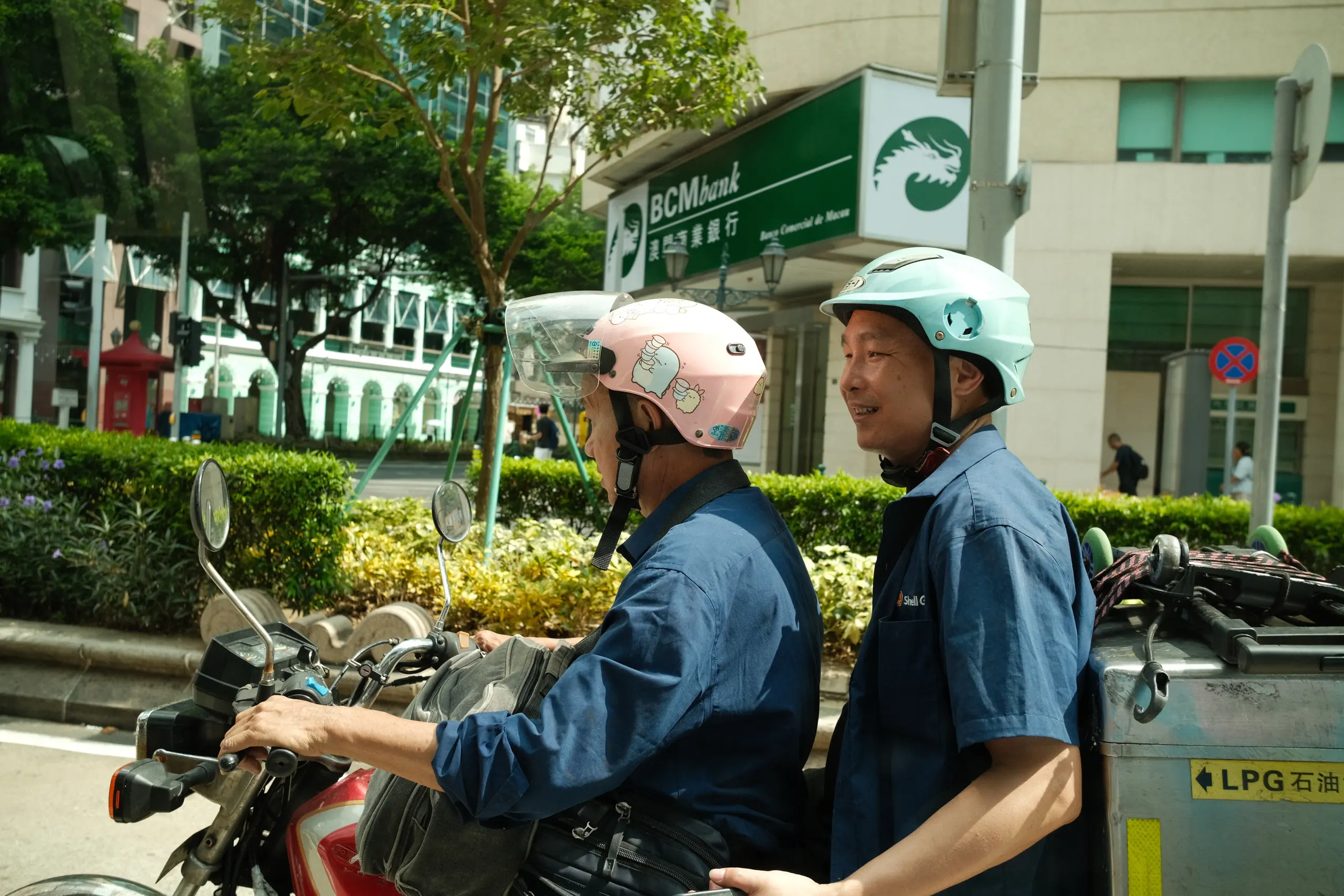
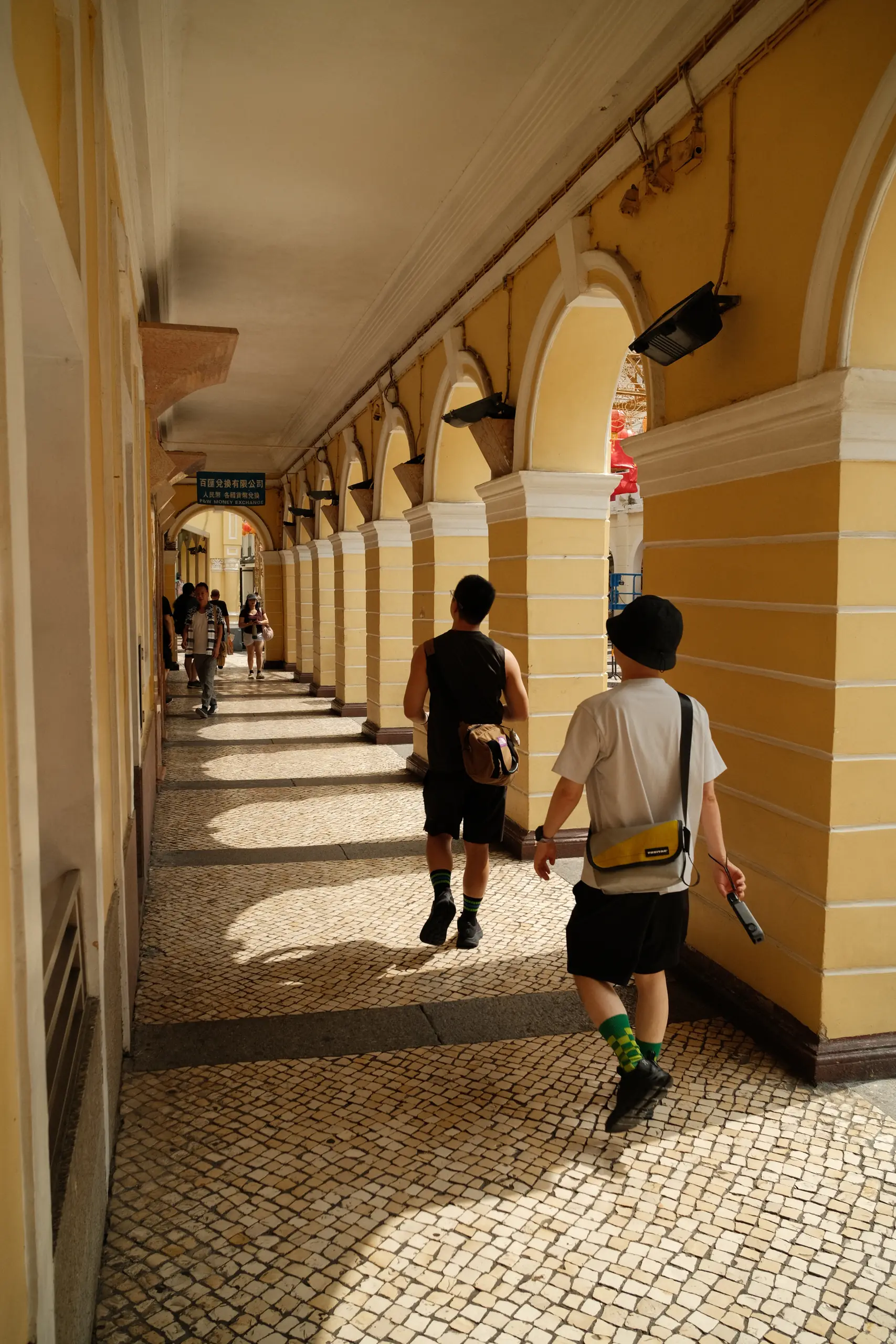
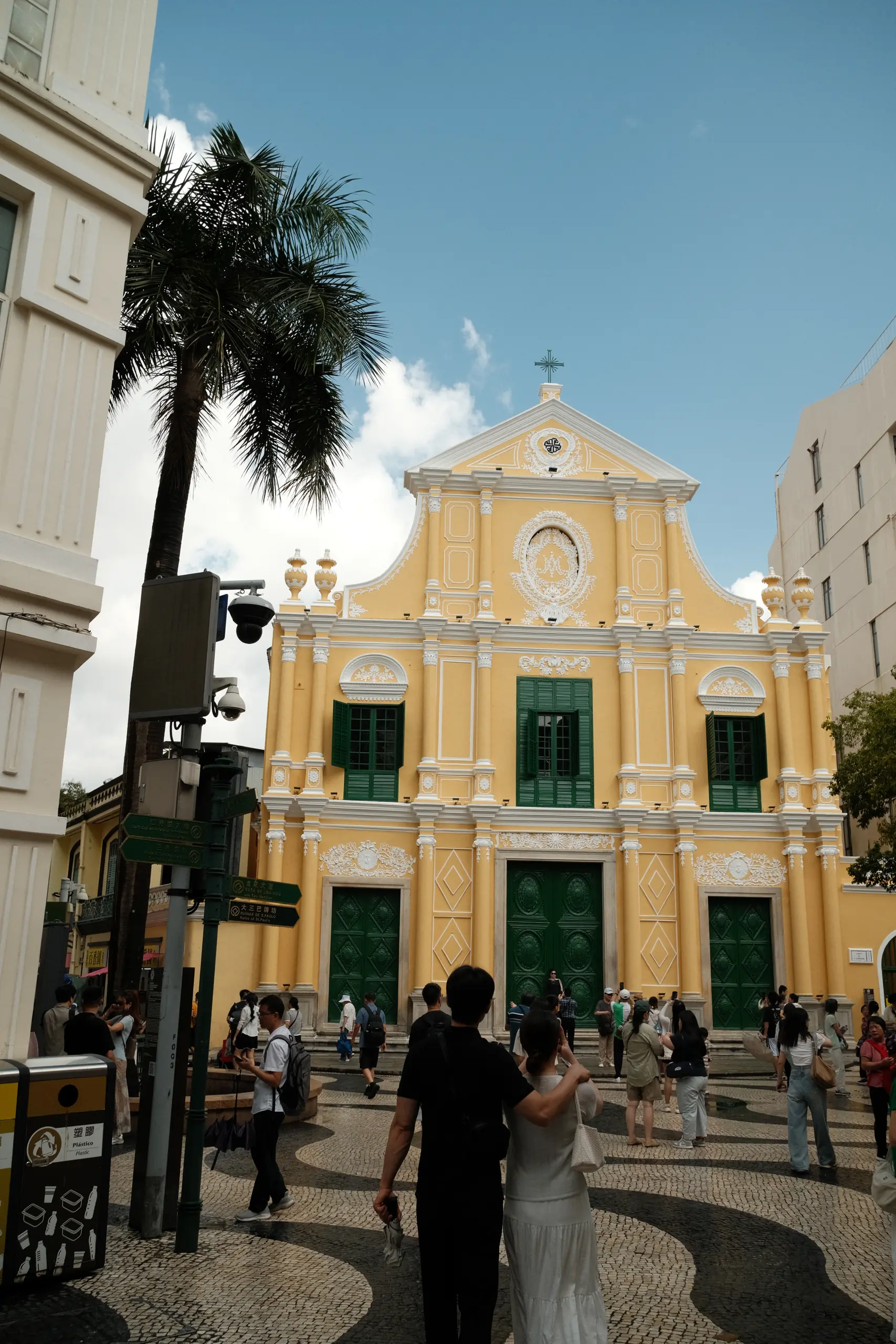
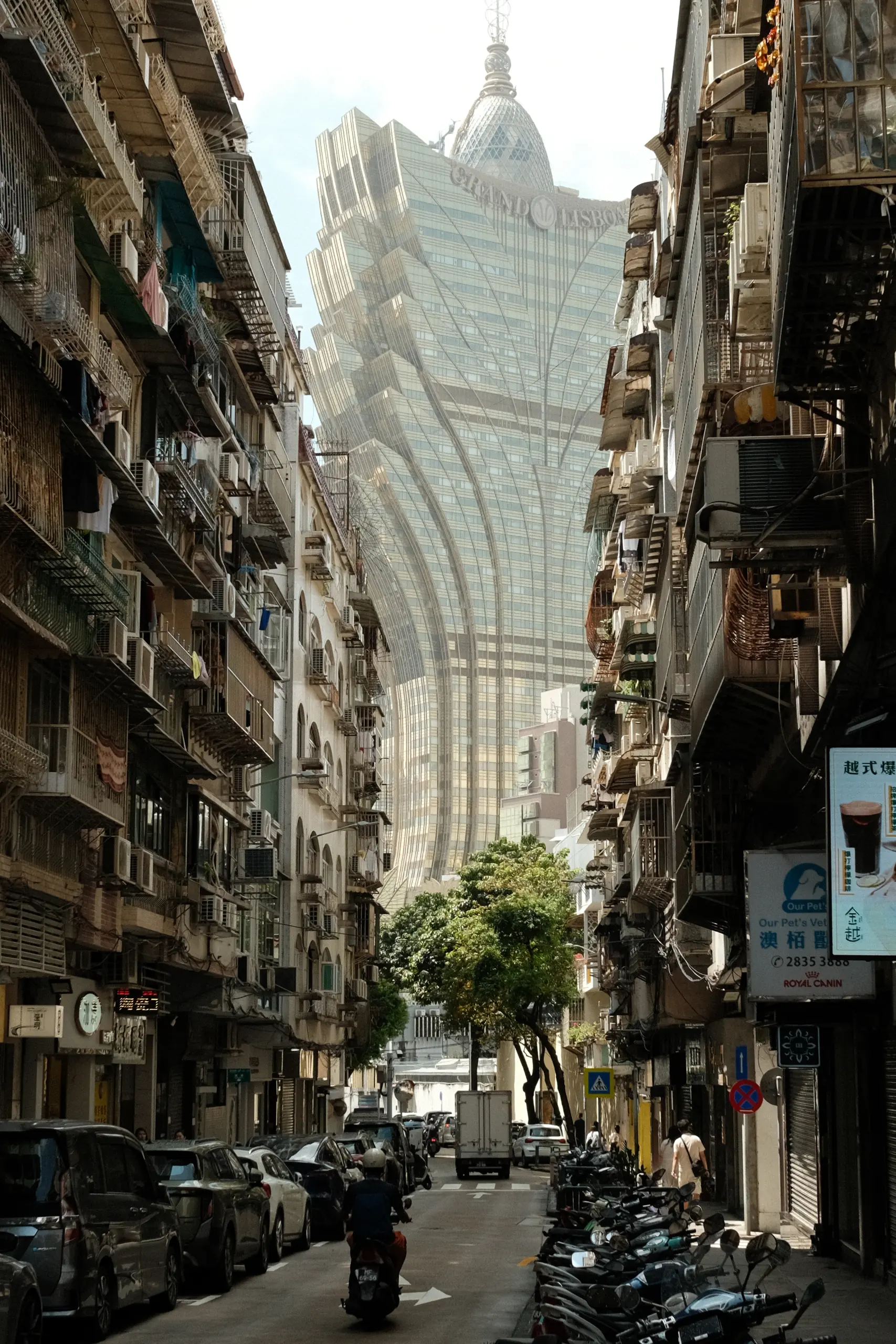
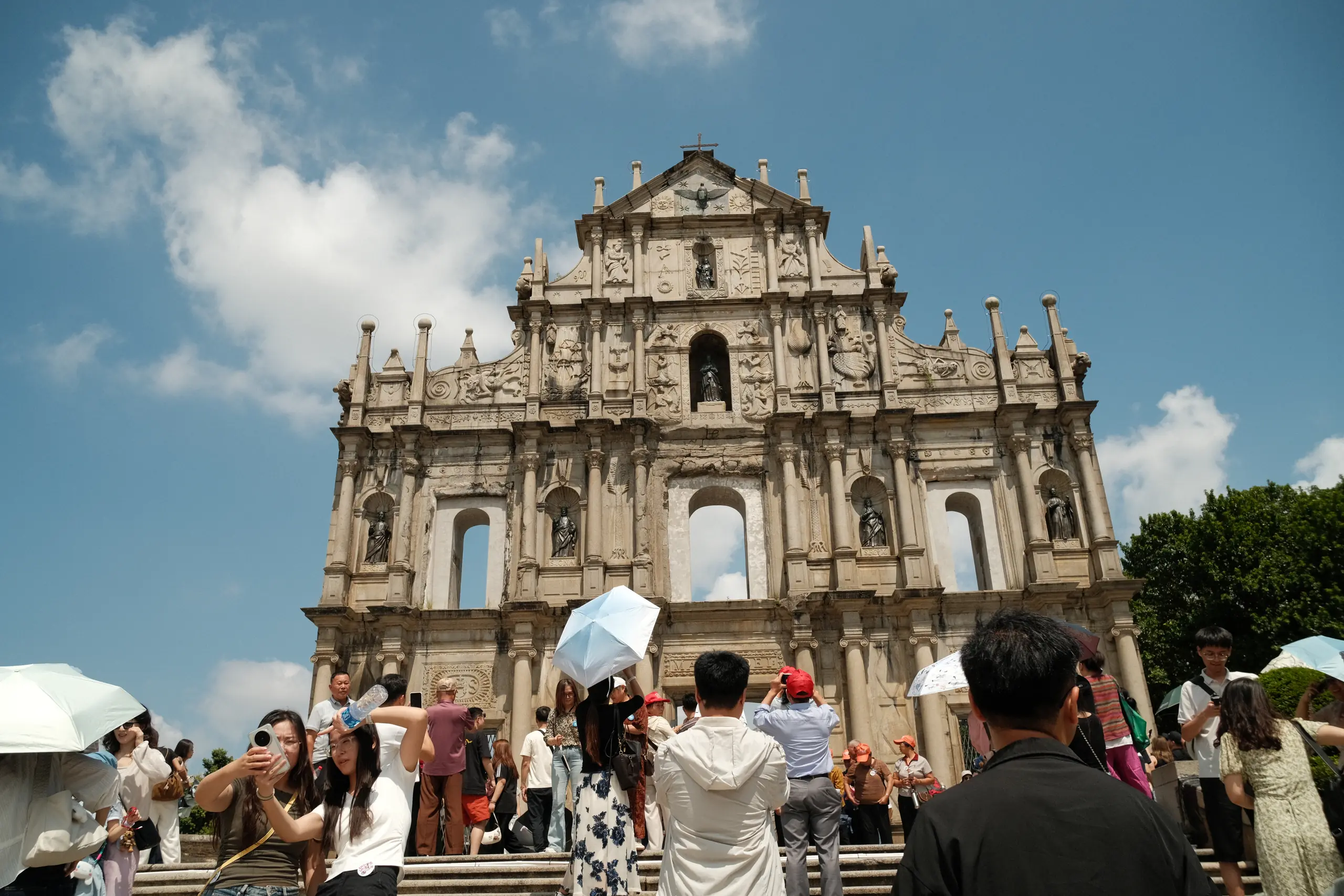
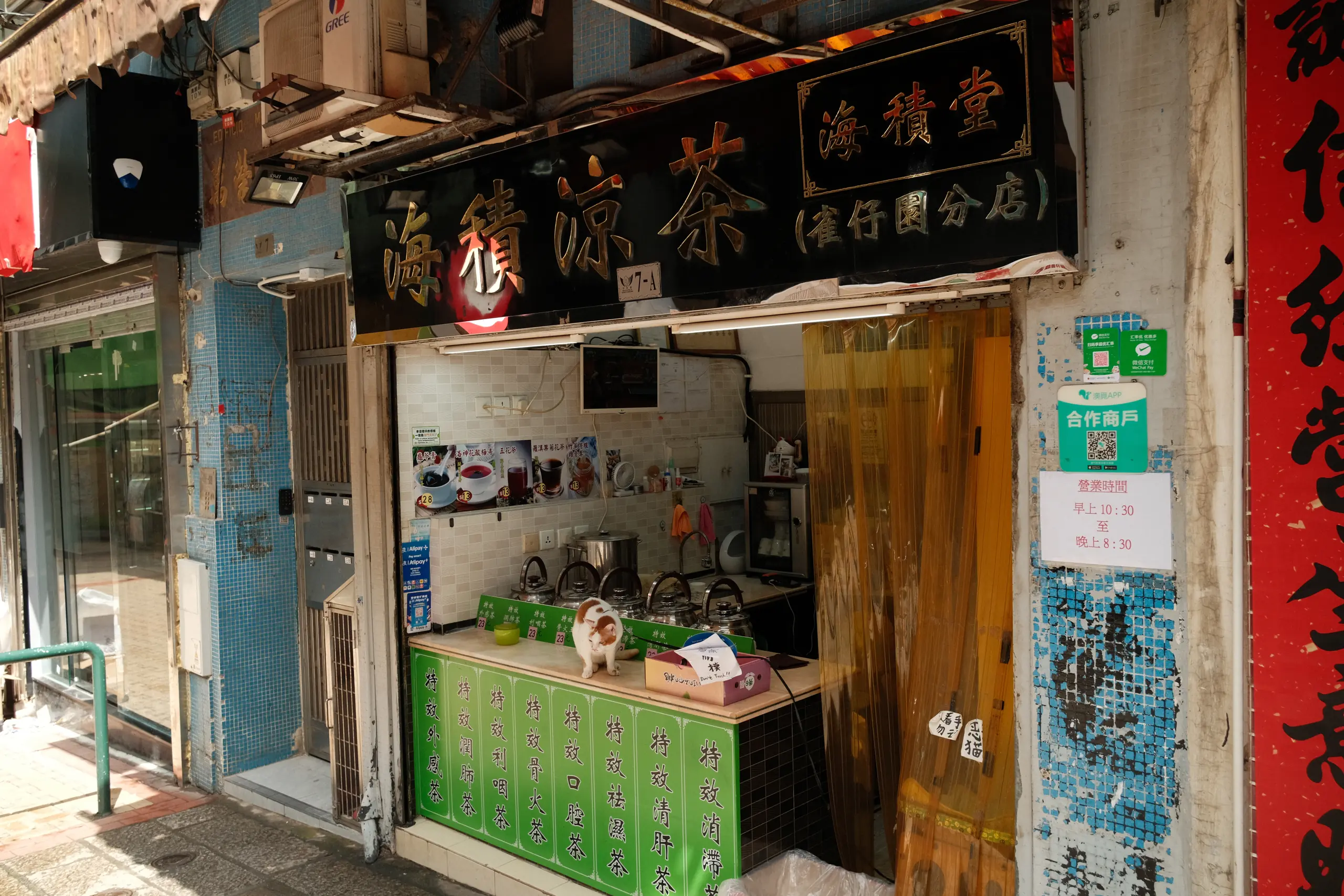
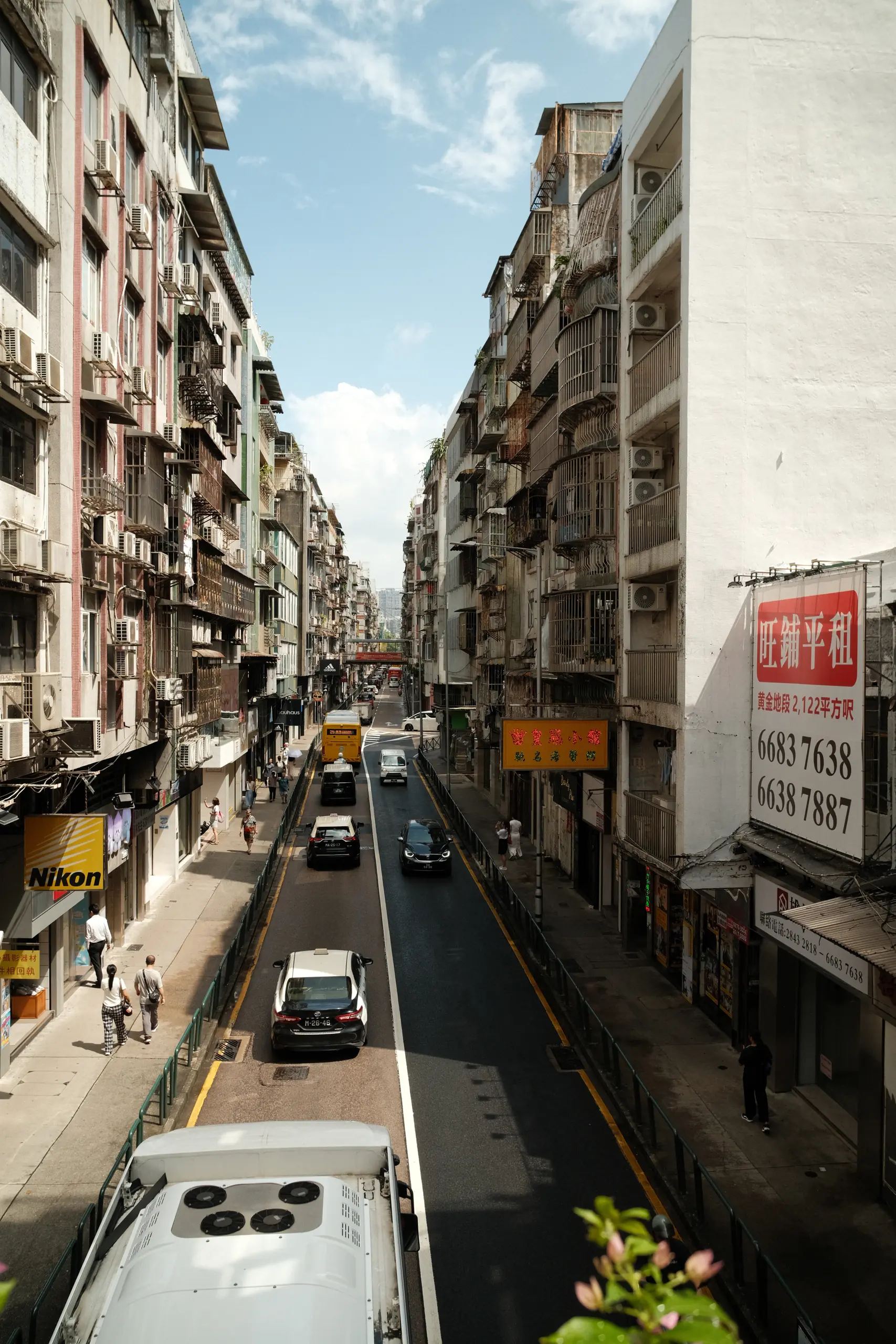
It's beautiful, and a stark contrast after Hong Kong and Shenzhen. An hour away and it feels like an entirely different place, with a casino poking up at the end of every street to remind you where you are.
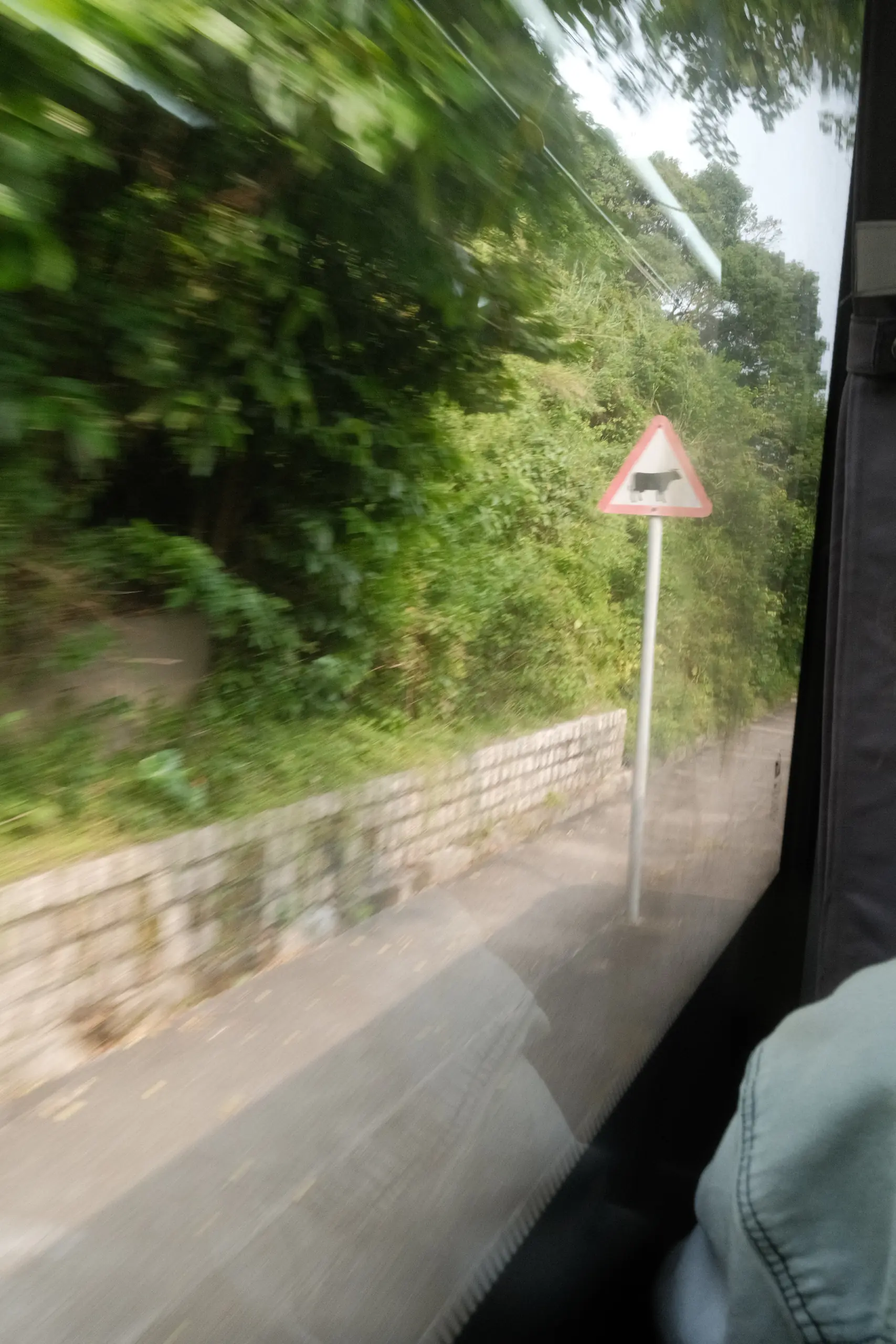
On the last morning we crossed the bridge the other way, by bus from Macau to Hong Kong airport, with the sea on both sides and the ferry route somewhere below us.
Above all, Shenzhen is what stayed with me on the plane. Spotless, electric, and futuristic, it impressed me more than anything else on the trip. I kept wondering what it will look like in fifty years. Will it keep rebuilding itself, or will a city built all at once grow old all at once?